The simplest way to make surfaces last is a seasonal maintenance rhythm: weekly cleaning with the right products, quarterly checks on seals and seams, and an annual deep service. Catching wear early is far cheaper than refinishing late — here is the calendar that keeps every surface in your home like new.
MaintenanceBy Anderson Melo · Founder & SEO Strategist
Weekly: The Five-Minute Habits
Most surface damage is cumulative and preventable. A short weekly routine prevents the wear that forces early replacement.
Dust-mop or vacuum hard floors on a hard-floor setting to lift the grit that scratches finishes. Wipe counters with a pH-neutral cleaner — not an all-purpose spray with acids or bleach. On wood and around tile seams, dry standing water quickly; moisture is the slow enemy of every porous surface.
Quarterly: Seals and Seams
Four times a year, look at the joints and the protective layers — the places failure starts.
Check grout and caulk in showers and around sinks for cracks or gaps, and re-caulk before water gets behind them. Test porous stone counters by dripping water: if it soaks in instead of beading, it is time to re-seal. Inspect high-traffic floor finish for dulling so you can recoat before the wear reaches bare material.
Annually: The Deep Service
Once a year, do the work that resets a surface's clock.
Re-seal natural stone as the bead test dictates, recoat hardwood that has lost its sheen before bare wood shows (a screen-and-recoat is far cheaper than a full sand-and-refinish), and deep-clean tile grout. A material's rated lifespan assumes this kind of upkeep — skip it and the real-world number drops.
What to Never Use
The fastest way to ruin a finish is the wrong cleaner.
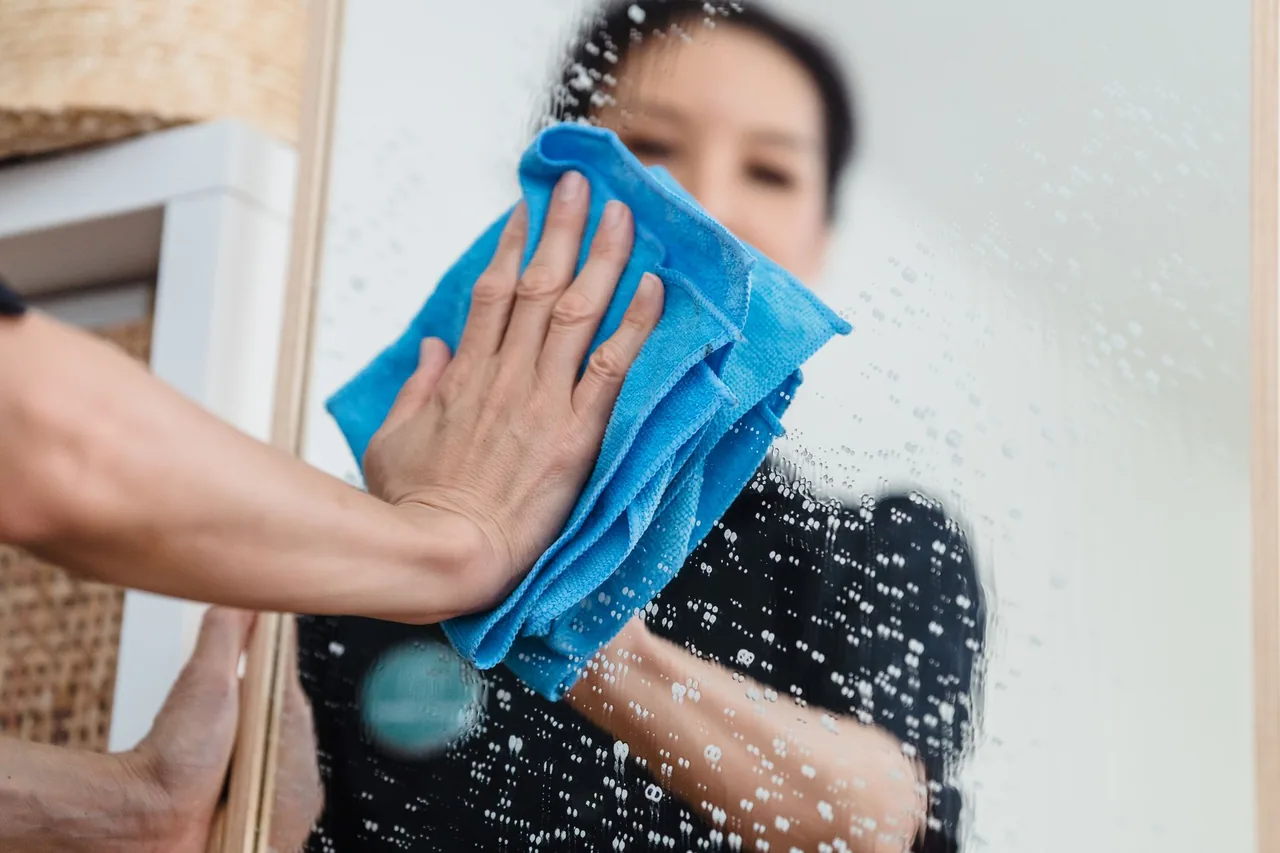
Avoid vinegar and ammonia on wood and stone (they etch and dull), steam mops on wood and laminate (they drive moisture into seams), and abrasive pads on quartz and laminate. Oil and wax soaps leave a residue that blocks future recoating. When in doubt, a damp microfiber pad and a pH-neutral cleaner is safe on nearly every surface.
Frequently Asked Questions
How often should I clean hardwood floors?
+
Dust-mop or vacuum a few times a week to remove grit, and damp-mop weekly with a well-wrung microfiber pad and a pH-neutral hardwood cleaner. Never use vinegar, steam, or oil soaps.
How do I know when to reseal stone countertops?
+
Drip a little water on the surface. If it beads, the seal is intact; if it darkens or soaks in within a few minutes, it is time to reseal. Most natural stone needs it every 1–3 years depending on use.
Are steam mops safe on floors?
+
Not on wood or laminate — steam forces moisture into seams and can cause swelling and delamination. They are generally fine on sealed porcelain tile.
What is the safest all-around surface cleaner?
+
A damp microfiber pad with a pH-neutral cleaner is safe on nearly every hard surface. Avoid acids (vinegar), alkalis (ammonia, bleach), and abrasives unless the manufacturer specifically allows them.
Ready to move from reading to deciding? These are the surfaces and materials this article touches — each compared by spec, with a free consultation and vetted installer matching, nationwide.
Tell us your surface, room, and goal. Pro Work Home Surface recommends the right material and matches you with a vetted local installer and a written quote — free, nationwide.