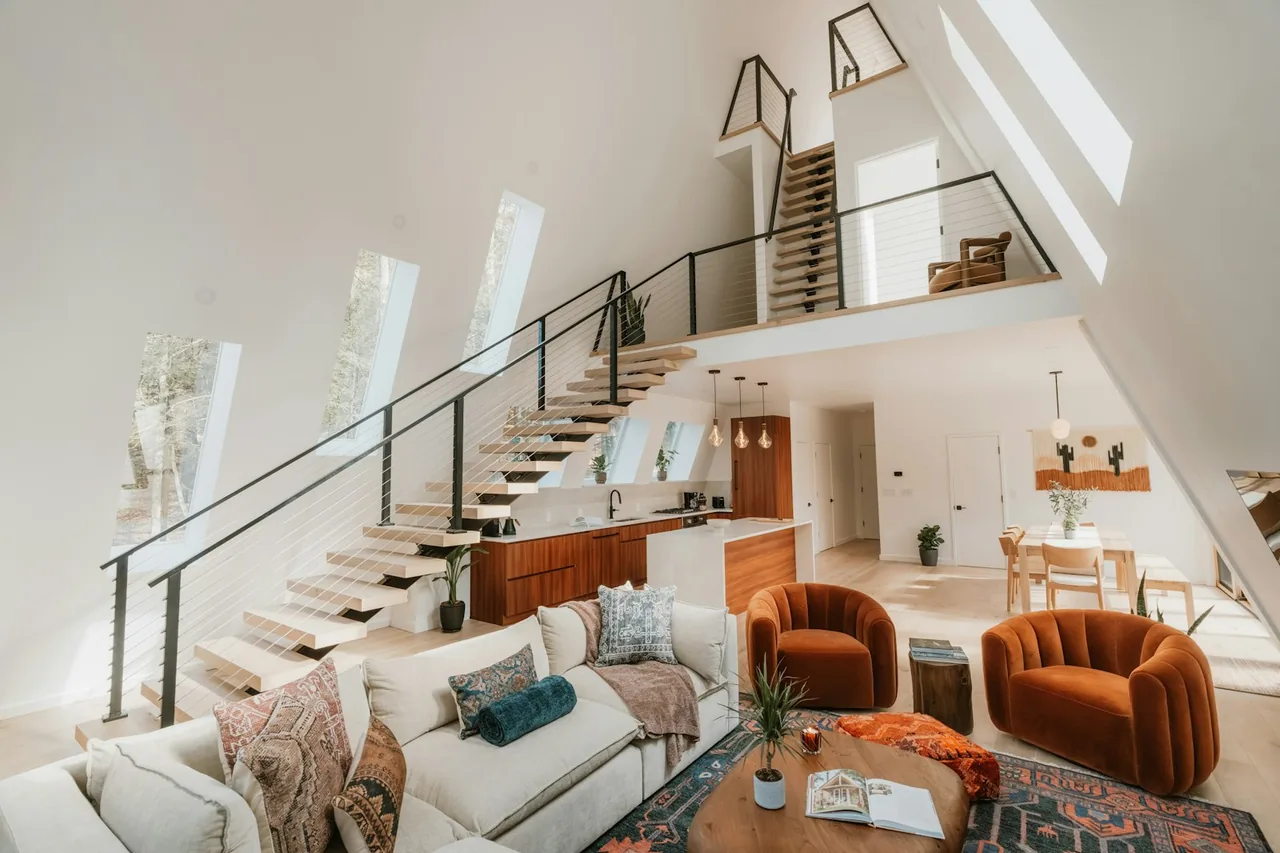
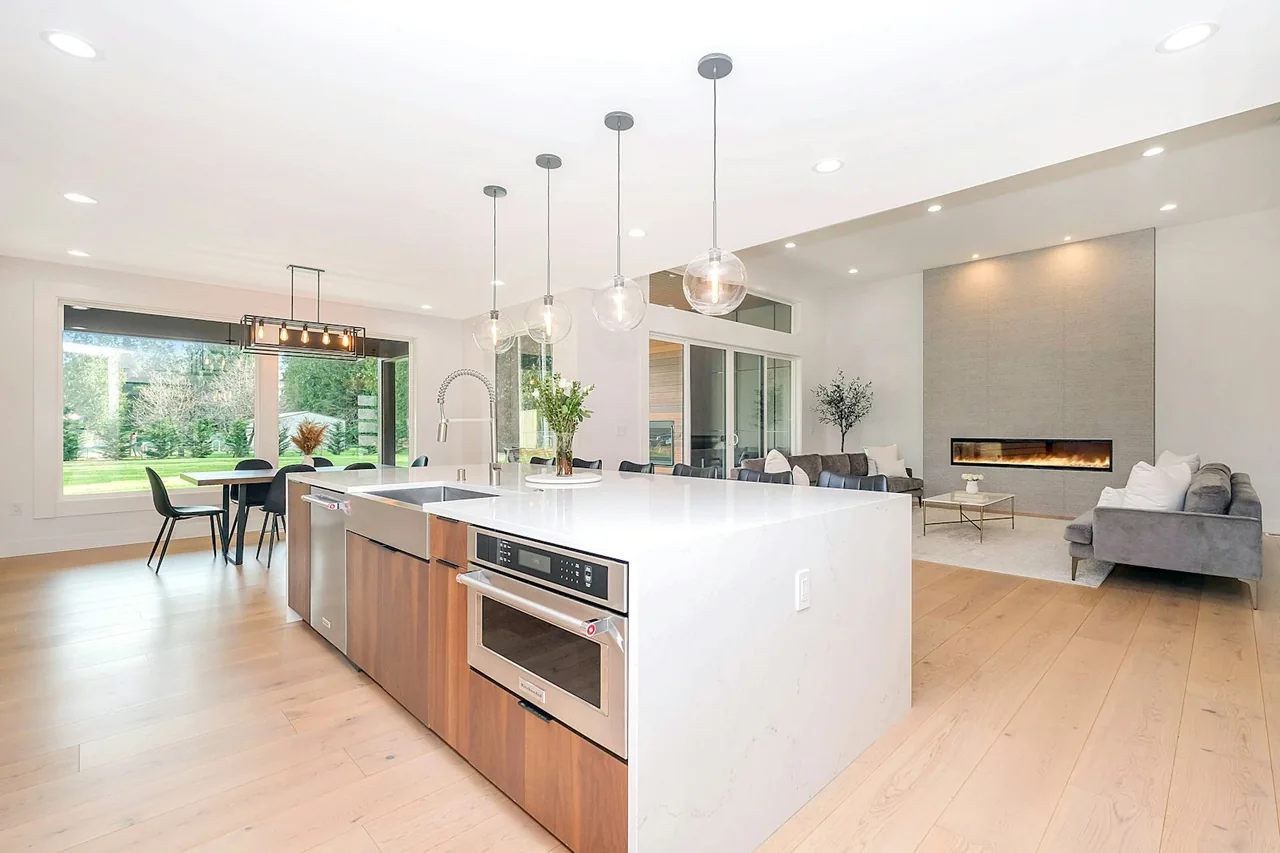
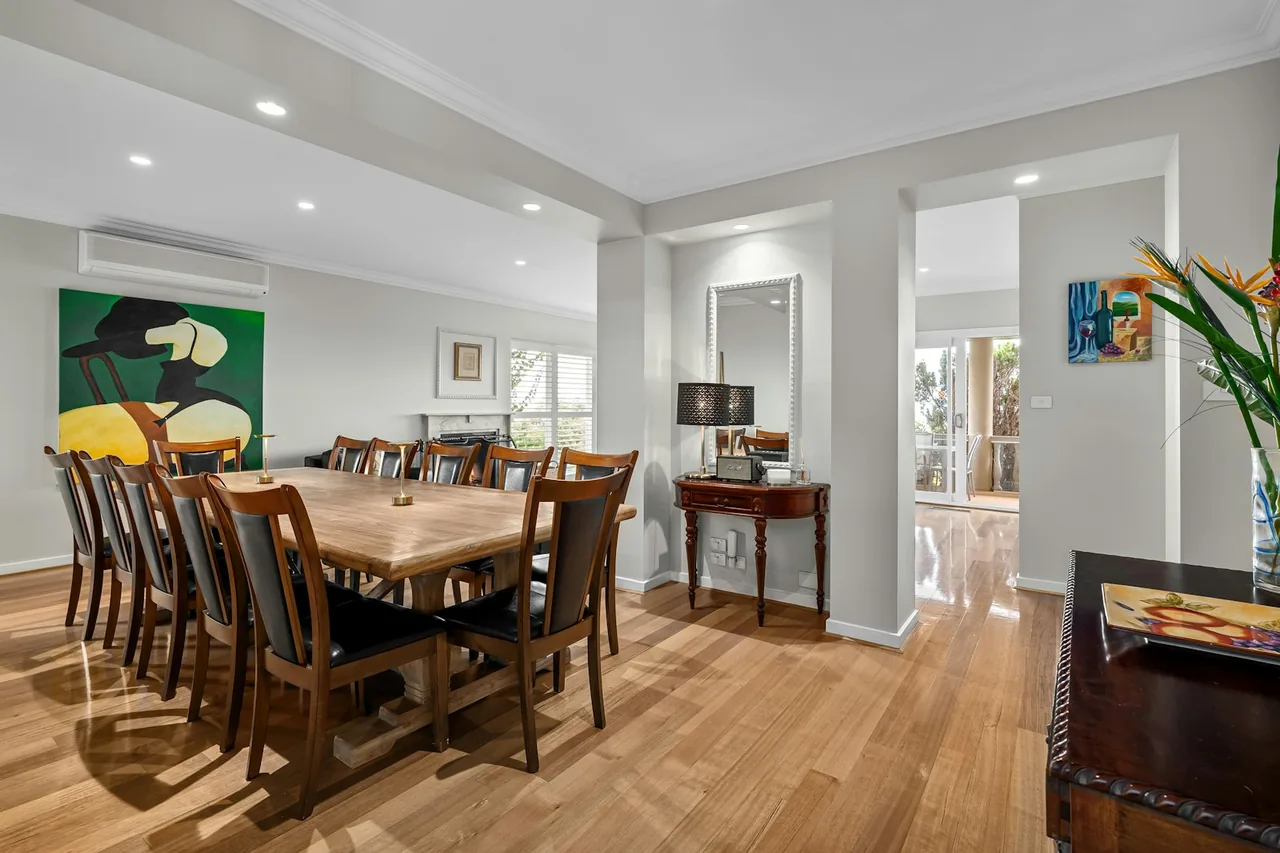
A whole-home surface refresh goes smoothest in one sequence: decide a cohesive material palette first, then phase the work from the top down and leave the messiest rooms for last. Deciding the palette before you touch a single floor is what separates a refresh that looks designed from one that looks assembled room by room.
Before touching a single floor, decide the through-line. A cohesive home repeats a few materials instead of choosing a new one per room.
Pick one flooring family for connected sightlines, a countertop material you can echo from the kitchen into the primary bath, and a cabinet tone that ties them together. Deciding the palette first is what makes a phased project read as intentional rather than piecemeal. Limit a cohesive home to roughly three primary surface materials plus accents — more than that and rooms stop talking to each other.
Anchor the palette to the surface you will see most. In most homes that is the floor, which is why so many refreshes start there and let counters and walls play the accent role.
Sequence the Work Top-Down
Order matters as much as material. Work from the top of the room down and from the cleanest rooms to the dirtiest.
Do ceilings and walls before floors so sanding dust and paint drips land on surfaces that are not finished yet. Within a phase, finish the lowest-traffic rooms first and the kitchen last — it is the messiest scope and the one you least want to redo. Protect finished floors before any wall or ceiling work begins above them.
Phase order
Why it goes here
Ceilings & walls
Dust and drips fall onto unfinished floors
Floors
Installed after overhead work is done
Cabinets & counters
Set on finished floors; templated last for fit
Kitchen (finish)
Messiest, most-used — least desirable to redo
Budget by Lifespan, Not Sticker
The cheapest surface is rarely the cheapest over twenty years. Spend where longevity pays back.
Floors and counters you touch daily justify a higher tier; low-traffic rooms can take value materials. Porcelain tile and solid hardwood last 50+ years, while carpet runs 8–12 — the lifespan data shows exactly where a premium earns its keep. Use the cost calculator with your own quote rather than budgeting off a fabricated average.
Phase It Without Losing the Thread
Few homeowners do everything at once. The trick is keeping a multi-month project coherent.
Lock the palette in writing and, when phases are close together, buy floor and counter materials from the same product line and dye lot — lines get discontinued and lots vary. Keep a few spare planks and tiles from each phase for future repairs. Start with the surface that sets the tone for the rest (usually the main floor), then let each later phase reference the decisions already made. See how the eight surfaces fit together across the surface index.
Frequently Asked Questions
Where should a whole-home surface refresh start?
+
Start with the material palette, then the main floor. Deciding the floor, counter, and cabinet tones up front keeps a phased project cohesive; running one continuous floor through open areas does the most to make a home feel larger and newer.
What order should the work go in?
+
Top-down: ceilings and walls before floors, then cabinets and counters set on the finished floor, with the kitchen finished last because it is the messiest and most-used room.
How do I budget a phased refresh?
+
Budget by lifespan, not sticker price. Spend more where you touch daily (kitchen floor and counters) and take value materials in low-traffic rooms. Use a calculator with your own local quote instead of a national average.
Can you help plan and install it?
+
Yes — share your rooms and goals on the contact page for a free, independent material plan and vetted installer matching, nationwide.
Ready to move from reading to deciding? These are the surfaces and materials this article touches — each compared by spec, with a free consultation and vetted installer matching, nationwide.
Tell us your surface, room, and goal. Pro Work Home Surface recommends the right material and matches you with a vetted local installer and a written quote — free, nationwide.