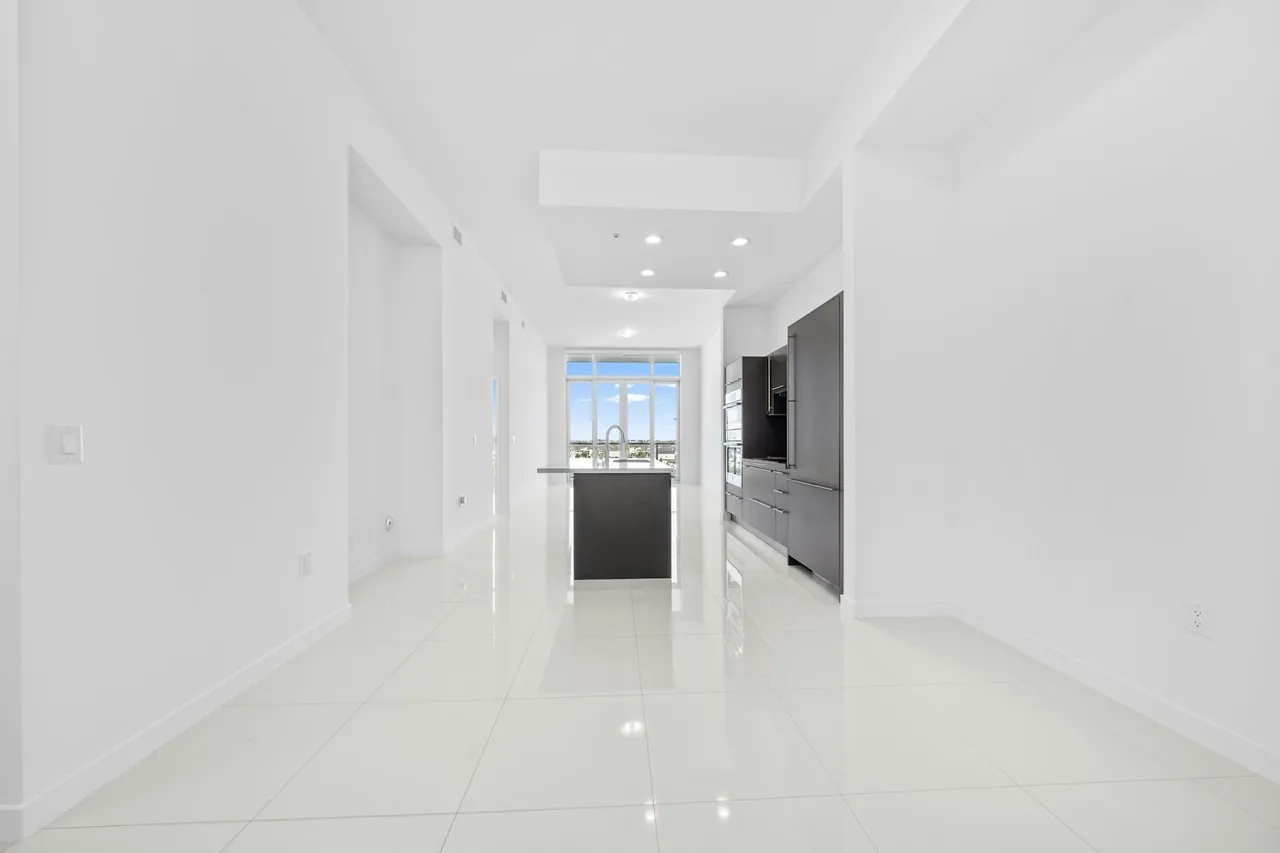
Specialty flooring is the category beyond the mainstream — concrete, epoxy, bamboo, cork, terrazzo, and rubber — surfaces chosen for a demand wood, vinyl, tile, and carpet do not meet. There is no single spec, because each is rated on a different metric: strand-woven bamboo can exceed 3000 lbf on the Janka scale while cork is deliberately soft for comfort — opposite ends of one shelf. They are not interchangeable; you choose by the demand, not the look. Get a free consultation and a written, itemized scope from a vetted installer before you buy, because for these materials the substrate prep, the cure time, and the right material for the room are settled there, not by a single showroom sample.
Specialty Flooring Is Purpose-Built Surfaces for Specific Demands
The defining idea of this category is that it is not one material with one strength — it is a shelf of distinct surfaces, each chosen for a job the mainstream handles poorly.
You Pick a Specialty Floor for a Demand, Not a Room
You do not choose specialty flooring for a generic room — you choose a specific specialty floor because your space has a demand the usual floors cannot meet, and one of these is purpose-built for it. That reframes the whole decision: the question is never "which specialty floor looks nicest," it is "what does this room need that wood, vinyl, tile, and carpet cannot give it" — and then which of the six answers it.
The Range Runs From the Hardest Floor to the Softest
At one extreme, polished concrete and epoxy turn a structural slab into an industrial-grade finished floor that shrugs off forklifts, chemicals, and decades of abuse — the right answer for a garage floor, a workshop, a basement, or a modern living space that wants the slab as the floor. At the other, cork is soft, warm, and quiet underfoot, the comfort choice where a hard floor would be punishing. In between sit bamboo for fast-renewing hardness, terrazzo for a floor that lasts the life of the building, and rubber for slip-resistant, shock-absorbing resilience.
Several Are Sustainable, and Several Are the Structure Itself
Several of these are among the most sustainable floors made — bamboo is a rapidly renewing grass, cork is harvested without felling the tree, and rubber is frequently recycled — and several double as both the finished and the structural layer, which no plank or carpet does. Knowing which specialty floor matches which demand, and the very different limits and install realities of each, is the whole job of this category, and it is why there is no single governing spec to point at.
The Spec That Matters for Each — They Are All Different
There is no single specialty-flooring number, because each material is rated by a completely different metric. That is the point: you read concrete by hardness and finish, epoxy by its bond, bamboo by Janka, cork by comfort and sealing, terrazzo by longevity, rubber by resilience.
Concrete: Hardness and Finish Quality
Concrete is the floor where the slab itself becomes the finished surface, and its spec story is the polish, not a rating off a box.
How Polished Concrete Gets Its Finish
Polished concrete is built by progressive grinding with finer and finer diamond abrasives to a chosen sheen, then stained or dyed for color and sealed or densified to harden the surface. It is among the hardest, most durable floors there is — the slab is the floor — and its trade-off is being hard and cold underfoot, which area rugs soften. See concrete flooring.
Sheen Level Is the Spec You Actually Choose
Because there is no PEI or Janka for a polished slab, the spec you select is the sheen level — from a matte, ground finish through satin to a high-gloss, mirror-like polish reached by more grinding passes. Higher gloss reads more refined and reflects more light, but shows scuffs and dust more readily; a satin or matte finish hides daily wear better in a hard-use space. The sheen is a look-and-maintenance choice layered on top of an already-durable floor.
Why a Polished Slab Can Still Crack
The one failure a polished concrete floor can show is a crack that telegraphs through the finish, and it is a substrate story, not a finish one. A slab can develop cracks from settling, shrinkage, or control joints that move, and polishing does not prevent that — it can even highlight it. A sound, properly assessed slab is the prerequisite; existing cracks are addressed before polishing, sometimes filled and incorporated as a deliberate part of the look rather than hidden. The finish is only ever as stable as the slab beneath it.
Epoxy: Adhesion and Chemical Resistance
Epoxy is a resinous coating bonded to a prepared concrete slab — chemical-, stain-, and abrasion-resistant, seamless, and washable — but everything depends on the bond. It requires grinding or etching and full cure time before use, and a skipped prep step is the difference between a decade of service and a peeling floor. Its governing question is adhesion: every epoxy failure is a prep or moisture failure. See epoxy flooring.
Bamboo: Janka Hardness
Bamboo is read like wood, on the Janka scale. Strand-woven bamboo — shredded and compressed under resin — can exceed 3000 lbf, among the hardest floors available and far above red oak's 1290 lbf. It is a rapidly renewable grass harvested in roughly five to seven years, but it is humidity-sensitive and must be acclimated before install, exactly like hardwood. See bamboo flooring.
Cork: Comfort, Resilience, and Sealing
Cork is harvested from cork-oak bark without felling the tree, and its spec story is comfort and acoustics, not hardness — it is soft and warm underfoot, naturally antimicrobial, and quiet. It needs sealing to resist moisture and wear and dents under heavy point loads, the trade for its softness. See cork flooring.
Terrazzo and Rubber: Longevity and Resilience
Terrazzo — marble or glass aggregate in a cement or epoxy matrix, ground to a polish — is rated by sheer longevity, lasting the life of the building in poured (seamless) or precast forms. Rubber — recycled or synthetic, in rolls, tiles, and mats — is rated by resilience: slip-resistant, shock-absorbing, and water-resistant. The table below lines up all six and the single metric that governs each, so the no-shortcut logic of the category reads at a glance.
| Specialty floor | Governing metric | Defining property | Best-fit demand | Leaf page |
|---|---|---|---|---|
| Concrete | Hardness + sheen level | The slab is the floor | Extreme durability, modern look | Concrete |
| Epoxy | Adhesion + chemical resistance | Seamless, washable, chemical-proof | Garages, shops, chemical exposure | Epoxy |
| Bamboo | Janka hardness | Hardness from a renewable grass | Wood look with sustainability | Bamboo |
| Cork | Comfort, resilience, sealing | Soft, warm, quiet, antimicrobial | Standing comfort and acoustics | Cork |
| Terrazzo | Longevity | Generational, seamless surface | Permanence, life-of-building floors | Terrazzo |
| Rubber | Resilience | Slip-resistant, shock-absorbing | Gyms, play areas, utility rooms | Rubber |
The rule that follows is the rule of the whole category: there is no shortcut spec. Identify the property your room needs, then read that material by its own governing metric — Janka for bamboo, bond and prep for epoxy, polish for concrete, comfort for cork, longevity for terrazzo, resilience for rubber. Compare them spec-for-spec with the material comparison tool.
Want the right specialty floor matched to your room's demand before you buy?
We match you with a vetted installer who names the property your space actually needs, the material that answers it, and the substrate prep it requires — in a written scope, before you commit to a finish or a price.
Specialty vs. Mainstream Flooring — When to Step Outside the Usual
The honest question with specialty flooring is not whether it beats the mainstream in general — it does not — but whether your specific demand justifies stepping outside hardwood, vinyl, tile, and carpet. For most rooms, a mainstream floor is the easier, cheaper, more replaceable choice. Specialty earns its place only when a particular property is the deciding factor.
The Specialty-vs-Mainstream Comparison Matrix
The matrix below pairs each specialty floor with the mainstream floor it competes against and the single property that justifies choosing it instead — the decision in one view.
| Specialty floor | Competes against | The property that wins | Where mainstream still wins |
|---|---|---|---|
| Epoxy / concrete | Tile, vinyl | Extreme durability, chemical resistance | Comfort, warmth, easy replacement |
| Bamboo | Hardwood | Sustainability + high Janka | Species range, proven track record |
| Cork | Vinyl, carpet | Standing comfort, acoustics, antimicrobial | Moisture tolerance, dent resistance |
| Terrazzo | Tile | Generational, seamless permanence | Cost, install simplicity |
| Rubber | Vinyl, tile | Slip resistance, shock absorption | Formal looks, design range |
Step Outside for Durability or Sustainability
Step outside for extreme durability and chemical resistance — a garage, workshop, or commercial space where epoxy or polished concrete simply outlasts and out-tolerates anything mainstream, and where the slab is already there to be finished. Step outside for maximum sustainability — bamboo, cork, and recycled rubber answer an environmental priority that wood and vinyl do not, with bamboo offering hardness that rivals or exceeds many hardwoods.
Step Outside for Comfort, Safety, or Permanence
Step outside for specific comfort or safety — cork's softness and warmth in a kitchen or studio, rubber's slip resistance and shock absorption in a gym or play area, where a hard mainstream floor would be uncomfortable or unsafe. And step outside for a generational, seamless floor — terrazzo, which lasts the life of the building and gives a poured surface no tile or plank matches. The decision rule is clean: if a mainstream floor meets the room's demands, choose it; reach for specialty only when one of these specific properties is the thing the room actually needs. Compare the mainstream options first under the flooring hub.

The Six Specialty Floors — Which One for Which Job
Choosing within this category means matching the material to the demand, not browsing a look. Here is each specialty floor and the job it is built for, with the leaf page that details it.
The Hard-Use Floors: Concrete, Epoxy, and Rubber
Concrete flooring — polished, stained, or sealed — turns the structural slab into an extremely durable finished floor, ideal for modern interiors, basements, and any space where the slab is already there and warmth is not the priority. Epoxy flooring is a seamless resin coating for garages, basements, and shops, chosen for chemical, stain, and abrasion resistance and a washable surface — the workhorse finish for hard-use rooms. Rubber flooring is the resilient, slip-resistant surface for gyms, garages, playrooms, and laundry rooms, where shock absorption, traction, and water resistance lead.
The Natural and Generational Floors: Bamboo, Cork, and Terrazzo
Bamboo flooring is the sustainable hardwood alternative, milled like wood and, in strand-woven form, very hard — for those who want wood's look and hardness with a rapidly renewable source. Cork flooring is the comfort and acoustics choice — soft, warm, quiet, and antimicrobial — for kitchens, studios, and rooms where standing comfort and sound matter. Terrazzo flooring is the generational, seamless floor — marble or glass chips in a cement or epoxy matrix, poured or precast — for spaces built to last the life of the building. The decision is always the same shape: name the demand — durability, sustainability, comfort, permanence, or resilience — and one of these six is the answer.
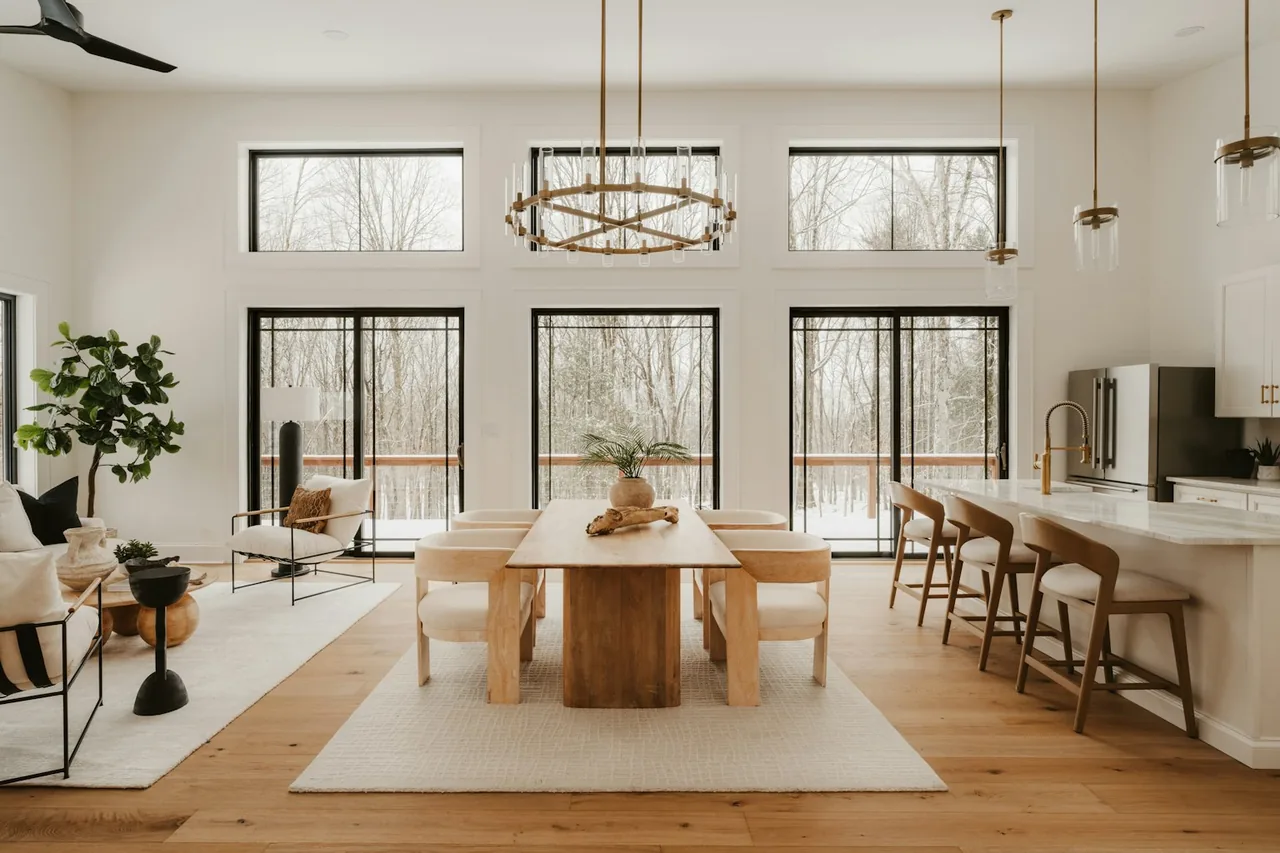
How Specialty Floors Are Installed
Specialty flooring has no single install method, because the materials could not be more different — and each carries its own non-negotiable step that, skipped, causes that material's signature failure. The six cards below are the install reality of each, and the constant beneath all of them is a sound, prepared substrate.
Concrete: Grind and Polish in Place
Polished concrete is built from the slab itself by progressive diamond grinding to the chosen sheen, then densified, stained, and sealed — specialized, dust-controlled wet- or dry-grinding work that depends on a sound slab and existing cracks being addressed first, under subfloor prep.
Epoxy: Prep, Test, Coat, and Cure
Epoxy lives entirely on its preparation: the concrete must be ground or acid-etched to open the surface, moisture-tested by ASTM F2170 so vapor does not push the coating off later, then the resin applied and given full cure time before any traffic. Every epoxy failure is a prep or moisture failure.
Bamboo: Acclimate, Then Install Like Wood
Bamboo installs like wood — nailed, glued, or floated — and, critically, is acclimated on site to the home's humidity first, because like wood it gaps and cups if it goes in at the wrong moisture content. The same flooring installation discipline that governs hardwood applies.
Cork: Lay Over a Flat Base, Then Seal
Cork installs as glue-down tiles or floating planks over a flat, prepared substrate and is then sealed, and the seal is renewed over its life — the step that lets a soft, porous material resist moisture and wear. A flat base and a maintained seal are its two requirements.
Terrazzo: Pour (or Set) and Grind to Polish
Terrazzo is poured as an aggregate-in-matrix field — or installed precast — and then ground and polished in place to reveal the chips, the same specialized grinding as concrete but on a custom-poured surface, dependent on a sound substrate and full cure of the matrix.
Rubber: Roll, Tile, or Loose-Lay
Rubber goes down as rolls, interlocking tiles, or loose-lay mats — the most forgiving install of the group — over a clean, flat substrate, with rolls seamed and adhered for permanence and tiles or mats often dry-laid for easy replacement.
Across all of them, the constants are a sound, flat, properly prepared substrate and — for the slab-based and wood-like materials — moisture testing by ASTM F2170 before anything is bonded or laid. Skip the prep step each material depends on and you get that material's signature failure; the broader discipline lives under flooring installation and substrate preparation.
Talk through your project — free.
A free consultation and a written, itemized quote from a vetted installer. No pressure, no obligation.
Is a Specialty Floor Right for Your Space?
Whether to step outside the mainstream — and which specialty floor — is the output of a short chain that starts with the demand, not the look. Walk it in order; each branch points to a different material.
- Can a mainstream floor meet the room's demands? If hardwood, vinyl, tile, or carpet already answers the room, choose it — it is easier, cheaper, and more replaceable. Only continue if the room has a demand none of them meets.
- Is the demand extreme durability or chemical resistance? A garage, workshop, or shop where the slab is already there points to epoxy or polished concrete — finishes that turn the slab into a surface nothing mainstream outlasts.
- Is the demand sustainability or a renewable wood look? That points to bamboo (high Janka from a renewable grass), cork, or recycled rubber — an environmental priority wood and vinyl do not answer.
- Is the demand comfort, acoustics, or safety underfoot? Standing comfort and quiet point to cork; slip resistance and shock absorption in a gym or play area point to rubber — where a hard mainstream floor would be punishing or unsafe.
- Is the demand a generational, seamless floor? That points to terrazzo, which lasts the life of the building. Confirm the substrate can carry your choice under the flooring hub.
Run honestly, this tree either sends you back to a mainstream floor or names a single specialty material for the demand — and an installer who pushes a specialty finish where a mainstream floor would do is the red flag.
Why Each Specialty Floor Fails — They Are Not Interchangeable
Because specialty flooring is six different materials, it has six different failure modes — and the most common mistake is treating them as one category and putting the wrong one in the wrong room. Each fails in its own specific way, paired below with its prevention.
Concrete and Epoxy: Cracks and Peeling
Concrete is hard and cold underfoot, unforgiving to dropped dishes, and a poured slab can develop cracks that telegraph through a polished finish — comfort and warmth are its weak points, not durability, and a sound slab assessed before polishing is the prevention. Epoxy lives and dies by surface preparation: a coating applied over a slab that was not properly ground, etched, or moisture-tested will peel, bubble, or delaminate, and the prevention is the full prep-and-test sequence, every time.
Bamboo and Cork: Humidity and Dents
Bamboo and cork are both sensitive to humidity swings and must be acclimated like wood before install, or they gap and cup. Cork additionally dents under heavy point loads and needs sealing to resist moisture and wear — the trade for its softness. The prevention is acclimation, a maintained seal on cork, and felt pads and care against heavy point loads.
Terrazzo and Rubber: Cost and Context
Terrazzo is extraordinarily durable but is a specialized, labor-intensive install whose cost and complexity, not its performance, are the limiting factor — the prevention is budgeting for the install, not expecting a tile-level price. Rubber is resilient and water-resistant but is a utilitarian look that suits gyms and utility spaces more than formal living rooms — the prevention is matching it to a room where its look fits the use. The throughline: each has a room it belongs in and rooms it does not, and matching the material's limit to the room is the whole job. When a specialty floor has cracked, peeled, or dented, see flooring repair.
Common Specialty Flooring Mistakes, Consequences, and Prevention
Most specialty-flooring failures come from treating six different materials as one, each with a predictable consequence and a known prevention. Naming them is how you spot a corner being cut before it is built in.
| Mistake | What it causes | The prevention |
|---|---|---|
| Coating an unprepared slab with epoxy | The epoxy peels, bubbles, or delaminates within months | Grind or etch, moisture-test by ASTM F2170, and cure fully first |
| Installing bamboo without acclimation | Gapping in winter, cupping in summer, like wet wood | Acclimate to the home's humidity before install, exactly like hardwood |
| Cork under heavy point loads, unsealed | Permanent dents and moisture and wear damage | Use felt pads, avoid heavy rolling furniture, and keep the seal renewed |
| Concrete or rubber in a comfort room | A cold, hard, or utilitarian floor where comfort was wanted | Match the material to the demand — comfort points to cork, not concrete |
| Polishing concrete over an unsound slab | Cracks that telegraph through and highlight in the finish | Assess and address the slab and its cracks before polishing |
| Treating all six as one care routine | A sealed floor left unsealed, or a low-care floor over-treated | Follow the manufacturer's care for that specific material |
| Budgeting terrazzo like tile | Sticker shock and a stalled project mid-install | Budget for the specialized, labor-intensive poured-and-ground install |
Every row is a wrong-material-or-wrong-prep failure — which is why "we match the material to the demand and never skip its signature prep step, in writing" is the most valuable sentence in a specialty-flooring quote.
What Actually Drives the Cost of a Specialty Floor
A specialty quote varies more by material than any mainstream floor, but the drivers below move the total across all six, ranked by how much they swing it.
The Cost Drivers That Move the Total Most
- The material itself. The category spans a huge range — a rubber mat floor and a poured terrazzo are different worlds — so the material sets the baseline more than for any mainstream category.
- Substrate prep and slab condition. The biggest swing on the slab-based floors. Grinding, etching, crack repair, and moisture mitigation for epoxy, concrete, and terrazzo are real labor a sound slab reduces — and the step their durability depends on.
- Install labor and method. Poured-and-ground terrazzo and progressive-grind concrete are specialized, labor-intensive work; rubber loose-lay is fast and cheap; bamboo installs like wood. The method drives the labor line.
- Cure and downtime. Epoxy and resin terrazzo need full cure time before use, which extends the project and can matter in a space that must stay out of service.
- Moisture mitigation. A slab that reads high needs mitigation before epoxy or polishing — a real line item the lowest bid tends to omit, and the one that prevents peeling.
- Finish and sheen level. Higher-gloss concrete and terrazzo take more grinding passes; decorative stains, dyes, and aggregates add material and skill.
- Sealing and ongoing care. Cork and stone-matrix terrazzo need sealing on install and a maintenance cadence after — a cost the low-care floors avoid.
- Old-floor removal. Tear-out and disposal of an existing floor, and any slab repair it exposes, add labor up front.
Because the range and the drivers swing so widely, the only honest number comes from an on-site assessment. Compare what moves the price across the category in our cost guides, dig into the how-and-why in our guides, and size the job with the flooring cost calculator so you can read a quote critically.
Get an itemized scope, not a headline rate.
A vetted installer prices the material, slab prep, install, cure, and sealing as separate lines — so you see the whole job, free and with no obligation.
How to Choose a Specialty Floor for Your Space
The right specialty floor is the one whose single defining property answers your room's specific demand — chosen by naming the demand first, because for specialty flooring the demand, not the look, is the entire selection logic.
- Name the demand before you look at anything
- Extreme durability and chemical resistance point to epoxy or concrete; sustainability points to bamboo, cork, or recycled rubber; comfort points to cork; permanence points to terrazzo; slip resistance and shock absorption point to rubber. Start from the problem, not the sample.
- For hard-use and utility rooms, choose concrete, epoxy, or rubber
- Garages, workshops, basements, and gyms reward floors built for abuse, chemicals, and traction. Concrete and epoxy turn the slab into a finished surface; rubber adds resilience and slip safety where people work out or stand.
- For comfort and quiet, choose cork — and keep it dry-ish
- Cork is soft, warm, and acoustic, ideal where standing comfort and sound matter, but it dents under point loads and must be sealed, so it is not for wet rooms or heavy rolling furniture.
- For wood's look with sustainability, choose bamboo
- Strand-woven bamboo offers hardness exceeding 3000 lbf from a rapidly renewable grass, but treat it like hardwood: acclimate it, keep it out of wet rooms, and protect it from humidity swings.
- For epoxy and the slab-based floors, the substrate decides everything
- A sound, properly ground or etched, moisture-tested slab is the difference between a floor that lasts decades and one that peels or cracks. Budget for the prep, not just the finish — it is where these floors are won or lost.
- For a generational floor, choose terrazzo and budget for it
- Terrazzo lasts the life of the building and gives a seamless surface no tile matches, but it is a specialized, labor-intensive poured-and-ground install — choose it for permanence, and price the install honestly up front.
Settle the demand first and the material almost names itself — which is exactly the order a credible installer walks with you.
Specialty Flooring Glossary
The terms below recur across specialty-flooring quotes, spec sheets, and warranties — each defined as its working meaning on an actual job, so you can read a scope and judge whether it is complete.
- Polished concrete
- A structural slab ground with progressive diamond abrasives to a chosen sheen, then densified and sealed — among the hardest floors there is, with the slab serving as the finished surface.
- Sheen level
- The gloss of a polished concrete or terrazzo floor, from matte through satin to high-gloss — chosen for look and maintenance, since higher gloss shows scuffs and dust more readily.
- Densifier
- A chemical hardener applied to concrete during polishing that reacts with the slab to harden and dust-proof the surface, making the polished finish more durable.
- Epoxy coating
- A two-part resinous finish bonded to a prepared slab for a seamless, chemical-, stain-, and abrasion-resistant surface — wholly dependent on slab prep and full cure.
- Surface profile (CSP)
- The roughness a slab is ground or etched to so a coating can bond — too smooth a slab is the most common reason epoxy peels.
- Strand-woven bamboo
- Bamboo shredded and compressed under resin into a very hard plank — can exceed 3000 lbf on the Janka scale, far above red oak, from a rapidly renewable grass.
- Janka hardness
- The pounds-force needed to embed a steel ball halfway into a material — the dent-resistance rating bamboo is read by, the same scale as hardwood.
- Cork resilience
- Cork's natural give underfoot from its cellular structure — what makes it soft, warm, and quiet, and also what lets heavy point loads dent it.
- Terrazzo matrix
- The cement or epoxy binder that holds the marble or glass aggregate in a terrazzo floor, ground and polished to reveal the chips in a seamless surface.
- Poured vs. precast terrazzo
- Poured terrazzo is mixed and ground in place for a seamless field; precast is formed into tiles or treads off-site — the poured form gives the generational, jointless look.
- Recycled-content rubber
- Rubber flooring made wholly or partly from recycled tires or synthetic rubber, in rolls, tiles, and mats — slip-resistant, shock-absorbing, and water-resistant.
- ASTM F2170
- The in-situ relative-humidity test that reads concrete-slab moisture from probes sealed at 40% of slab depth — run before epoxy, polishing, or any slab-bonded specialty floor.
Standards, Warranty Conditions, and When a Permit Applies
Specialty-flooring warranties are as varied as the materials, but most denials share a cause: the prep or care step that material depended on was skipped.
Warranty Conditions That Hinge on Prep and Cure
The conditions are material-specific and testable: a ground, etched, moisture-tested slab and full cure for epoxy and resin terrazzo; acclimation for bamboo; a flat base and a maintained seal for cork; a sound slab for polished concrete. A coating applied over an untested slab, or bamboo laid without acclimation, voids coverage before the floor is used. Ask in writing that the install follow the manufacturer's published instructions for the specific material — that document is what a claim is judged against.
Care That Keeps the Warranty
Several specialty floors carry care conditions: cork and stone-matrix terrazzo need sealing on a schedule, polished concrete benefits from periodic re-densifying or burnishing, and bamboo is kept dry and protected from humidity swings like wood. Skipping the specified care can void the warranty even on a correctly installed floor — so following the maker's routine for that material, not a generic one, protects both the floor and the claim.
When a Specialty-Flooring Permit Applies
Replacing a finished surface like-for-like usually does not require a permit, but work tied to a larger renovation, structural slab repair, or a change of use (finishing a garage or basement into living space) often does. A reputable installer tells you when one applies rather than working around it — and structural or moisture questions about the slab belong with the subfloor team first. When an old specialty surface is failing rather than dated, the path may be restoration of the worn finish or full replacement.
A Real Specialty Flooring Decision
One representative scenario shows why the demand, not the look, drives a specialty choice: the room's two jobs and the slab's condition, not the homeowner's first picture, drove every call below.
How to Vet a Specialty Flooring Installer
Specialty floors are won or lost on prep and on matching the material to the demand, so the installer's judgment matters as much as their hands. These questions separate a crew that respects each material's signature step from one that treats them all alike.
- They start from your demand, not a product
- Ask why they recommend a given material. A real answer ties it to the room's actual demand — durability, sustainability, comfort, permanence, or resilience — not "this is what we install." A one-finish-for-everything shop is a red flag.
- They test and prep the slab before epoxy or polishing
- For a slab-based floor, ask how they prepare and test it. A credible answer names grinding or etching to a surface profile and a moisture test by ASTM F2170 — coating a slab as-is is how epoxy peels.
- They acclimate bamboo like wood
- If bamboo is the choice, ask how long they acclimate it on site. A crew installing straight off the truck is skipping the step that prevents gapping and cupping.
- They explain the cure and care for the material
- Ask about cure time for epoxy or terrazzo and the sealing schedule for cork or stone. A professional knows the specific routine that keeps that floor — and its warranty — intact.
- They show specialized experience with the material
- Poured terrazzo and progressive-grind concrete are specialized trades — ask for examples of that specific work, not just general flooring. The material's signature step is where inexperience shows.
- They put the scope and labor warranty in writing
- Ask for the full scope — material, slab prep, cure, sealing — the timeline, and the workmanship warranty before work starts. A crew willing to name a labor guarantee, and to return if a coating lifts or a board cups, is accountable for the install.
Two honest answers — how they prep the slab and why they chose the material for your demand — tell you more about a specialty crew than any photo; the rest of the list confirms it.
Why Route Your Specialty Flooring Project Through Pro Work Home Surface
Pro Work Home Surface is not a contractor and does not lay your floor — we are a national authority on home surfaces that matches homeowners with vetted local installers and holds them to a published bar.
- A free consultation and an itemized written scope
- Every connection starts with a no-obligation consult and a written quote that lines out material, slab prep, install, cure, and sealing separately — so you read the whole job, not a headline rate.
- Material matched to the room's actual demand, in writing
- Installers are screened to choose the specialty floor because its defining property — durability, sustainability, comfort, permanence, or resilience — answers your room's specific need, with the reason explained before you buy, not because of a look alone.
- Substrate prepared and tested for the specific material
- Slabs are ground, etched, and moisture-tested by ASTM F2170 before epoxy or polishing; bamboo is acclimated like wood; cork goes over a flat, prepared base — the prep step each material's signature failure depends on is never skipped.
- National coverage, local crews
- We match you with installers in your area nationwide, so the standard is consistent even though the crew is local — whether your project is a single garage or a poured terrazzo floor.
Specialty flooring is one part of a category we cover in full. If your project also involves restoring a worn polished or coated surface, fixing a cracked or dented specialty floor, or a full tear-out and replacement, the same standards apply — dig into the how-and-why in our guides, compare what moves the price across the cost guides, and start from the flooring category hub or the full range of home surfaces.
Brands & Material Authority
Quality and construction drive long-term performance more than the label. These are widely respected names in this category:
- Shaw
- Mohawk
- COREtec
- Armstrong
- Pergo
- Mannington
- Bruce
- Karndean