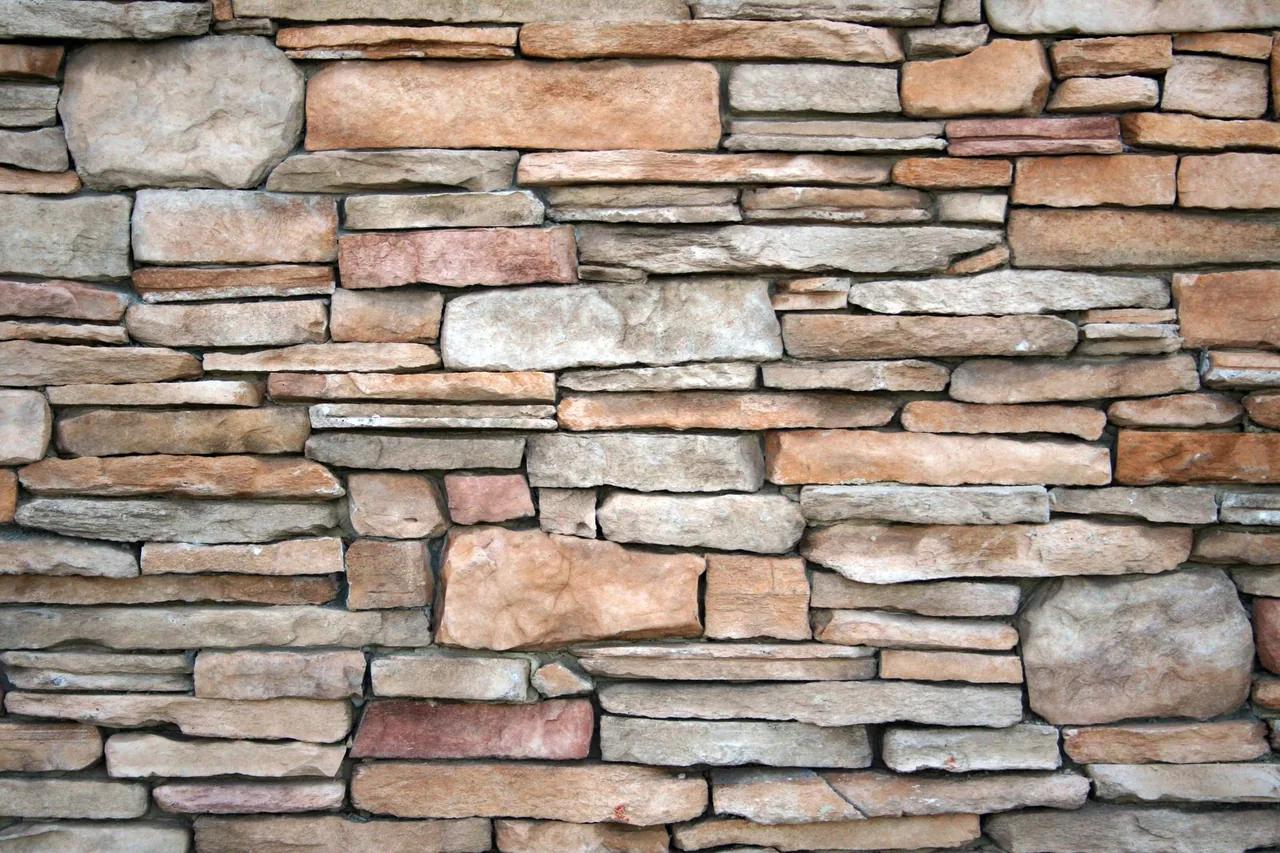
Stone veneer is a thin layer of real or manufactured stone applied to a wall to deliver the look of solid masonry without its weight or footing. Two things decide whether it lasts — and the stone face you see is neither: the assembly behind it, meaning the moisture management, the lath, the bond, and on an exterior wall a drainage path; and whether the substrate can carry the veneer's weight, because adhered (non-anchored) veneer is held under a documented limit historically around 15 lb/ft². A manufactured stone veneer cast from concrete is markedly lighter than full stone, which is why it can hang on a framed wall — but that lightness is also why the installation behind it has to be flawless. Get a free consultation and a written, itemized scope from a vetted mason before a single stone is set — that document, not the showroom panel, is where a lasting wall is decided.
Stone Veneer Is an Assembly First, a Stone Face Second
The stone everyone photographs matters least to whether the wall survives, especially outdoors. What separates a veneer wall still sound in twenty years from one that rots invisibly behind a perfect face is the assembly built before the first stone and the weight check that precedes it.
Natural vs. Manufactured — Two Real Products
There are two distinct products under one name, and a credible mason settles which before talking pattern:
- Natural thin stone veneer — genuine quarried stone cut to a thin profile, typically around 1" thick, so it weighs a fraction of full building stone while looking exactly like it, because it is it.
- Manufactured stone veneer — molded from concrete and colored to mimic stone; lighter still, more uniform, easier to handle, and usually less expensive.
Both let you get a masonry look on a surface that could never carry a real stone wall. They diverge on color permanence, weight, and how close a trained eye can stand before telling the difference — which is the first real decision.
Where Each Wins, Inside and Out
Indoors, stone veneer is the defining material of a fireplace surround and a dramatic accent wall, and it anchors a living-room feature wall with a weight and texture no paint or panel can fake. Outdoors it dresses foundations, columns, outdoor kitchens, and entry façades. Natural stone has unrepeatable color and depth and costs more; manufactured stone is consistent, lighter, and simpler to estimate, but its cast color sits on the surface rather than running through real rock. Choosing between them turns on budget, where it's installed, and how close people will stand to it.
Adhered vs. Anchored — the Attachment That Sets the Limit
Veneer attaches one of two ways, and it governs the weight ceiling. Adhered veneer bonds to the wall through mortar over lath — fast, common for thin and manufactured stone, and held under a documented weight limit historically near 15 lb/ft². Anchored veneer is mechanically tied back and supported on a ledge or footing, used for heavier full-thickness stone. The attachment method decides what the wall can carry, so it's confirmed before the product is chosen, not after.
Where Stone Veneer Fails — Water Behind the Wall
The signature failure of stone veneer is not the stone — it's water trapped behind it, and outdoors it's the failure that ends in structural rot.
No Drainage Plane on an Exterior Wall
Veneer is not waterproof; on an exterior wall, some moisture always gets behind the stone, and the entire assembly has to be built to drain and dry. Stone mortared tight to the wall with nowhere to weep traps water against the sheathing, rots the framing, and grows mold — often invisibly, for years, until the damage is structural. This is the documented failure mode of poorly installed manufactured stone on homes: a missing or wrong weather-resistive barrier and no drainage gap.
Stone Run to Grade and Missing Weep Screed
Veneer that touches soil or paving wicks ground moisture and lets water bypass the barrier — a clearance above grade is required. And without a weep screed at the base to let trapped water escape, even a good barrier has nowhere to drain. These two details — grade clearance and a weep screed — are exactly what separates an exterior wall that dries from one that holds water at its most vulnerable edge.
Wrong Barrier, Weak Bond, and Overweight Substrate
Exterior assemblies need a properly lapped weather-resistive barrier, often two layers, behind the lath. Indoors the stakes are lower but the bond still matters: veneer set over a dusty, unprepared, or out-of-plane wall, or installed beyond the substrate's weight capacity, can loosen and drop stones. None of these are defects in the veneer; they're assembly failures, and they're why this material rewards a real mason over a weekend job.
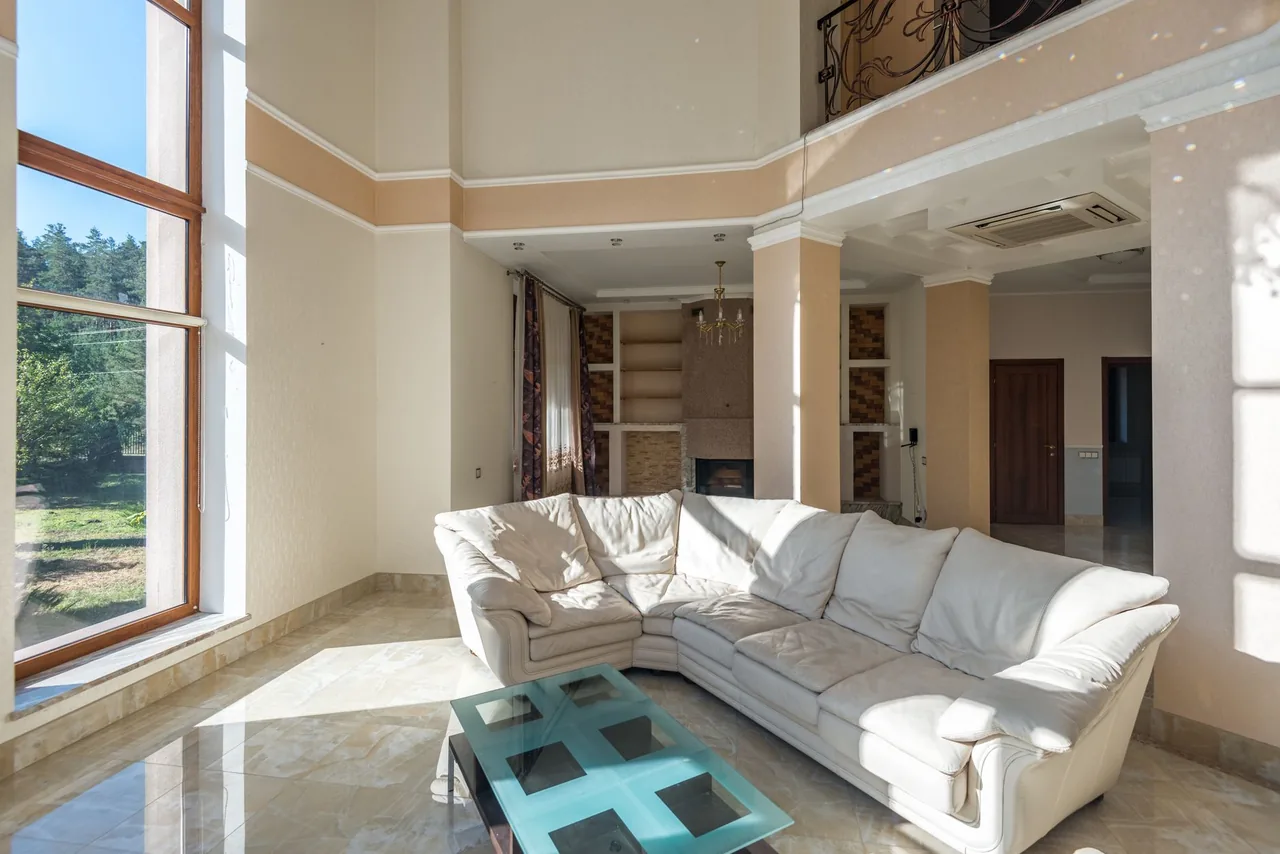
Stone Veneer vs. the Other Feature-Wall Finishes
Stone veneer competes with a handful of other ways to make a wall a focal point, and the choice turns on weight, authenticity, moisture, and where it lives. The matrix below rates each on the specs that decide the call.
| Finish | Look | Relative weight | Exterior-rated? | Authenticity | Best use |
|---|---|---|---|---|---|
| Stone veneer | 3D masonry mass & shadow | Light for stone (under ~15 lb/ft² adhered) | Yes, with full drainage assembly | Real stone or real concrete | Fireplaces, façades, feature walls |
| Wall tile | Flat, uniform, sealed | Light | Porcelain yes | Stone-look possible, flatter | Wet walls, backsplashes, sleek feature |
| 3D wall panels (faux stone) | Molded stone imitation | Very light | PVC types yes | Imitation | Budget, fast, lightweight accent |
| Wood panels / shiplap | Warmth, grain, lines | Light | No | Real wood | Warm feature walls (opposite goal) |
| Full masonry | Solid stone mass | Heavy — needs a footing | Yes | Solid stone | Where structure can carry it |
The honest read: choose tile for a sleek, sealed, wet-rated surface; faux-stone 3D panels for the budget, fast, lightweight alternative when true stone isn't necessary; and stone veneer when you want real or real-concrete mass with authentic shadow and weight — without the footing full masonry demands. To weigh genuine stone against the stone-look alternatives for your wall, the guides lay out the trade-offs.
Interior or exterior — the install is completely different.
Tell us where the wall is and we'll match a vetted mason who builds the right assembly for it — drainage and all — and puts the scope in writing before a stone is set.
The Specs and Standards That Decide Stone Veneer Quality
Stone veneer has no consumer "hardness number," but several measurable specs govern whether it stays on the wall and sheds water — from the weight per square foot through composition to the freeze-thaw rating and the standards that govern an exterior assembly.
Weight per Square Foot — the Spec That Limits the Wall
Veneer weight drives whether the substrate can carry it, and adhered veneer lives under a documented ceiling.
The Adhered Veneer Weight Limit
Many adhered manufactured veneers are engineered under a documented weight limit — historically the threshold for adhered (non-anchored) veneer is in the range of 15 lb/ft² — and the wall and fasteners have to support it. Exceed it without anchoring and the bond is carrying more than it was designed to.
Why the Substrate Check Comes Before the Product Choice
Whether the wall can carry natural stone or only lighter manufactured stone is a structural fact about the framing and fasteners, not a preference. Confirming the substrate's capacity first is what keeps the choice between natural and manufactured from becoming a wall that drops stones.
What Happens When the Limit Is Ignored
Adhered stone set over a substrate that can't carry it — or beyond the adhered limit without mechanical anchoring — loosens at the bond over time and can drop pieces. The weight check before the first stone is exactly what prevents the most dangerous veneer failure.
Natural vs. Cast Composition
Natural thin stone is quarried rock; manufactured is colored concrete. This affects weight, color permanence, and how it weathers — cast color is surface-applied and can fade more than the through-color of real stone, which matters most on a sun-exposed exterior wall.
Profile Thickness and Freeze-Thaw Resistance
Natural thin veneer commonly runs near 1" thick; manufactured varies. Thickness affects weight, the look of the relief, and how corners resolve. For exterior or cold-climate walls, the veneer's resistance to water absorption and freeze-thaw cycling matters — a stone that drinks water and freezes will spall over winters, so cold-climate exteriors need a freeze-thaw-rated product.
The Standards That Govern an Exterior Assembly
Adhered exterior veneer is governed by recognized installation standards covering the lapped WRB, the lath, the scratch coat, the weep screed, and the grade clearance, while the stone's absorption and freeze-thaw behavior are characterized by ASTM test methods. A wall built to those standards drains and dries; one built without them fails from behind. A vetted mason builds to the standard rather than improvising the assembly.
Types and Systems — What to Buy
Beyond natural-versus-manufactured, stone veneer comes in two installation systems, and the system is as important as the stone. Unlike a category such as tile flooring with material leaves, veneer is bought by composition and system rather than a sub-page per stone.
The Four Choices, Compared
The table below lays out the two compositions and two systems, what each delivers, and where it belongs — the comparison that prevents over-weighting a wall or buying the wrong system for the labor available.
| Choice | What it is | Weight | Labor | Best for |
|---|---|---|---|---|
| Mortar-set individual stones | Stones set one by one over lath + scratch coat | Varies by stone | Highest — skilled | The most authentic, full pattern control |
| Mortarless panel systems | Interlocking stone-faced panels, mechanical mount | Lighter, predictable | Lower — fast | Speed and predictable results |
| Natural thin veneer | Real stone cut thin, near 1" thick | Heavier of the thin options | Skilled | Authentic depth where weight allows |
| Manufactured molded veneer | Cast, colored concrete | Lightest | Moderate | Budget, uniform, fast coverage |
The brand matters less than matching the system to your wall and confirming the right corner pieces and a documented weight your substrate can carry. Cost factors — natural vs. manufactured, mortar-set vs. panel, square footage, corners, and exterior moisture detailing — are worth comparing in the cost guides, and the material comparison tool lines the finishes up spec-for-spec.
Want the weight verified and the right system for your wall?
We match you with a vetted mason who confirms the substrate's capacity, picks mortar-set or panel for your timeline, and details the corners and base — in a written, itemized scope.
How Stone Veneer Is Installed
This is the section that decides everything, because stone veneer is an assembly, not a finish. The six steps below are the full arc for a mortar-set exterior wall — the most demanding case — with interior walls a simplified subset.
Confirm the Substrate Carries the Weight
Before anything else, the wall and fasteners are verified to support the veneer's documented weight — kept under the adhered limit near 15 lb/ft² or anchored for heavier stone. This check before the first stone is what prevents the bond from later loosening and dropping pieces.
Lap the Weather-Resistive Barrier
On an exterior wall, a properly lapped weather-resistive barrier (WRB) — commonly two layers — goes over the sheathing, shingled so water sheds downward and out. This is the drainage plane that lets moisture behind the stone escape instead of soaking the framing.
Fasten Metal Lath Through to Framing
Metal lath is fastened through the barrier into the framing, giving the mortar something to key into. Fasteners are placed to hit structure, not just sheathing, so the whole stone load is carried by the wall behind it.
Trowel and Comb the Scratch Coat
A scratch coat of mortar is troweled over the lath and combed with horizontal grooves, then left to cure. The grooves give the stone a mechanical key to bond to — a smooth coat is a weak bond waiting to release.
Set the Stone With a Weep Screed and Grade Clearance
Stones are set in mortar from a weep screed at the base that lets trapped water drain out, with the stone held a required clearance above grade and paving. Joints are grouted or left dry-stacked per the look. Corners use dedicated corner pieces so the wall reads as solid stone.
Point, Clean, and Seal as Needed
Mortar joints are pointed and tooled, excess is cleaned off the faces before it cures, and — where the stone calls for it — a breathable sealer is applied. A non-breathable sealer that traps moisture is worse than none, so the product is matched to the stone.
Two professional non-negotiables: the drainage and barrier details on any exterior wall — skip them and the wall rots from behind — and confirming the substrate can carry the veneer's weight before a single stone goes up. Indoors, where there's no rain load, veneer can be adhered over a prepared, flat, structurally adequate wall, but the bond surface still has to be clean and within capacity. This is masonry-adjacent work that overlaps with structural wall installation when framing, sheathing, or support has to be prepared first.
Common Stone Veneer Mistakes, Consequences, and Prevention
Most veneer failures are the same handful of skipped assembly steps, each with a predictable consequence and a known prevention. Naming them is how you spot a corner being cut before it's buried behind stone.
| Mistake | What it causes | The prevention |
|---|---|---|
| No drainage plane outdoors | Water trapped against sheathing rots the framing invisibly | Lap a weather-resistive barrier behind the lath, often two layers |
| No weep screed at the base | Trapped water has no way out and collects | Set a weep screed at the bottom of every exterior wall |
| Stone run to grade | Ground moisture wicks up and bypasses the barrier | Hold the stone a required clearance above grade and paving |
| Substrate over weight limit | Bond loosens and stones drop over time | Verify the wall carries the documented weight under ~15 lb/ft² adhered |
| Smooth (un-combed) scratch coat | Weak mechanical key; stones release | Comb the scratch coat with horizontal grooves and cure it |
| Set over dust, paint, or out-of-plane wall | Poor bond; loose or uneven stones | Prep clean, flat, sound substrate before any stone |
| Non-breathable sealer outdoors | Traps moisture in the stone; spalling | Use a breathable sealer matched to the stone, or none |
Every row outdoors is a documented path to structural rot — which is why "we build the exterior as a drainage assembly, with a weep screed and grade clearance, in writing" is the most valuable sentence in a veneer quote.
The Stone Veneer Fit Test: Six Questions Before You Buy
Before a stone is ordered, run the wall through the same six-question fit test a careful mason uses. Each question has a measurable or assembly answer, and a wall that fails one points to a different product, a different system, or a different finish entirely.
- 1. Interior or exterior?
- An exterior wall demands the full drainage assembly — barrier, lath, scratch coat, weep screed, and grade clearance. An interior wall is far simpler. Know which you're doing before you choose product or method, because the install is the cost and the risk.
- 2. Can the substrate carry the weight?
- Verify the wall and fasteners support the product's documented weight — historically under about 15 lb/ft² for adhered veneer — before committing to natural over manufactured. The weight check decides what's even possible.
- 3. Authenticity or budget?
- If the wall is the centerpiece and people stand close, real thin stone reads unmistakably authentic. If budget, weight, or fast uniform coverage rules, manufactured stone is the practical choice — just expect a trained eye to tell.
- 4. Mortar-set or panel system?
- Mortar-set individual stones give the best look and need the most skill; mortarless panels install far faster with predictable results. Match the system to your timeline and the installer's craft.
- 5. Does the climate demand freeze-thaw resistance?
- A cold-climate exterior needs a stone rated against water absorption and freeze-thaw cycling, or it spalls over winters. Confirm the rating before buying for any exposed exterior wall.
- 6. Are the corners and clearances planned?
- Dedicated corner pieces make the wall read as solid stone, and grade clearance has to be designed in. A plan that skips corners or runs stone to the ground is a plan that looks wrong or fails at the base.
Run honestly, the fit test usually returns a single defensible product and system for one specific wall — and a shop that quotes the same assembly for an interior accent and an exterior façade is the red flag.
Is Stone Veneer Right for Your Wall?
The decision isn't a preference — it's the output of a short chain of facts about location, weight, and climate. Walk it in order; each branch eliminates the products and systems the wall can't carry, and what survives is the right call.
- Is the wall exterior? An exterior wall requires the full drainage assembly — barrier, lath, scratch coat, weep screed, and grade clearance. If you can't build that, the wall isn't ready for veneer. An interior wall skips the rain detailing.
- Can the substrate carry the load? Confirm the wall and fasteners support the product's documented weight. If it can only carry lighter stone, that rules natural in favor of manufactured — or points to mechanical anchoring.
- Cold climate exterior? If the wall is exposed in a freezing climate, the stone must be freeze-thaw-rated against absorption. A non-rated stone spalls over winters and is the wrong product there.
- Authenticity or speed and budget? A close-viewed centerpiece wants natural thin stone, mortar-set; a fast, budget, uniform wall opens manufactured stone and panel systems.
- Are corners and grade clearance designed in? Confirm corner pieces and a clearance above grade are part of the plan. If they're not, the layout has to change before stone is ordered, not after.
Run end to end, this tree almost always returns one defensible product, system, and assembly for one specific wall — and the answer is rarely "the same stone the panel showed regardless of where it goes."
What Actually Drives the Cost of a Stone Veneer Wall
A veneer quote is not a flat per-square-foot rate; the headline number hides the items below, ranked by how much they move the total.
- Natural vs. manufactured stone. Real thin stone costs more than cast concrete veneer — the product is the first lever, and it interacts with the weight the wall can carry.
- Interior vs. exterior assembly. The biggest swing. An exterior wall's barrier, lath, scratch coat, weep screed, and grade detailing are real labor and material an interior adhered wall skips entirely.
- Mortar-set vs. panel system. Setting individual stones is skilled, slow labor; mortarless panels install far faster. The system can change the labor line dramatically.
- Square footage and wall height. A full façade is far more stone and staging than a fireplace surround, and height adds access cost.
- Corners and openings. Dedicated corner pieces cost more than flats, and every window, door, and edge adds cutting and detailing.
- Substrate prep or reinforcement. Walls that need sheathing, a barrier, or structural support added before veneer are real labor a ready wall avoids.
- Sealing and finishing. A breathable sealer where the stone needs it, and clean pointing of every joint, add material and exacting hours.
Because these drivers swing widely — and the exterior assembly especially — the only honest number comes from seeing the wall. Compare what moves the price across the category in our cost guides so you can read a quote critically.
Building an exterior wall? Don't let it rot from behind.
We match you with a vetted mason who builds the full drainage assembly — barrier, lath, scratch coat, weep screed, and grade clearance — and verifies the weight, all in a written scope.
Caring for a Stone Veneer Wall
Stone veneer is low-maintenance once it's correctly installed, and care differs inside versus out. Indoors, dust the relief with a soft brush and clean occasionally with water and a pH-neutral stone cleaner — avoid acids and harsh chemicals, which etch natural stone and can discolor cast veneer. Outdoors, rinse periodically to clear dirt and organic growth, and keep landscaping and irrigation from spraying or splashing the lower courses, since constant wetting at the base is what eventually defeats even a good assembly. Sealing is optional and depends on the stone: a breathable sealer can help certain natural stones resist staining and water absorption, but a non-breathable sealer that traps moisture is worse than none. Inspect exterior veneer periodically for cracked mortar joints or loose stones and address them early — see wall repair before a small failure lets water in.
Talk through your project — free.
A free consultation and a written, itemized quote from a vetted installer. No pressure, no obligation.
Stone Veneer Glossary
The terms below recur in every quote, spec sheet, and inspection — each defined as its working meaning on an actual job, so you can read a scope and judge whether it is complete.
- Adhered veneer
- Stone bonded to the wall through mortar over lath, rather than mechanically anchored to a footing. Common for thin and manufactured stone and held under a documented weight limit near 15 lb/ft².
- Anchored veneer
- Heavier stone mechanically tied back to the structure and supported on a ledge or footing — the method for full-thickness stone that exceeds the adhered limit.
- Natural thin stone veneer
- Genuine quarried stone cut to a thin profile, near 1" thick, that looks identical to full stone because it is real rock at a fraction of the weight.
- Manufactured stone veneer
- Cast, colored concrete molded to mimic stone — lighter, more uniform, and usually cheaper, with surface color that can fade more than real stone's through-color.
- Weather-resistive barrier
- The lapped membrane behind the lath on an exterior wall — often two layers — that creates the drainage plane so water behind the stone sheds out instead of soaking the framing.
- Metal lath
- The expanded-metal mesh fastened through the barrier into framing that gives the scratch-coat mortar a mechanical key to hold onto.
- Scratch coat
- The base coat of mortar troweled over the lath and combed with grooves to create the bond surface the stone keys into. A smooth, un-combed coat is a weak bond.
- Weep screed
- The bottom-edge flashing on an exterior wall that lets trapped water drain out and keeps the stone up off the ground — the detail that makes the drainage plane work.
- Grade clearance
- The required gap between the bottom of the veneer and the soil or paving, so the stone doesn't wick ground moisture or let water bypass the barrier.
- Freeze-thaw
- The cycle of absorbed water freezing and expanding that spalls stone over winters. Cold-climate exteriors need a veneer rated against absorption and freeze-thaw.
- Spalling
- Surface flaking or chipping of stone caused by trapped moisture and freeze-thaw cycling — the visible result of the wrong product or a non-breathable sealer outdoors.
- Pointing
- Tooling and finishing the mortar joints between stones after setting — the step that both seals the joints and gives the wall its finished masonry look.
Standards, Warranty Conditions, and When Veneer Is the Wrong Call
Stone veneer's longevity is a function of the assembly and the install far more than the stone's brand, which is exactly why the standards below are about the build and honest detailing, not a product promise.
The Conditions That Decide a Veneer Wall's Life
The conditions are specific and inspectable: a substrate verified to carry the weight; outdoors, a lapped weather-resistive barrier, metal lath, a combed scratch coat, a weep screed, and grade clearance; a clean, flat, sound bond surface; and a breathable sealer where the stone calls for it. A wall built to those drains, dries, and holds its stones for decades; one that skips the barrier or the weight check fails invisibly or drops pieces. Many manufactured-stone warranties hinge on a code-compliant install — ask in writing that the assembly follow the recognized standard, because that is what a claim is judged against.
When Stone Veneer Is the Wrong Material
The clearest standard is knowing where veneer doesn't fit. A wet shower wall is tile territory, not veneer; a wall that can't carry the weight and can't be anchored points to lightweight faux-stone 3D panels instead; and a warm, lined look is a wood panel or shiplap job. A reputable mason redirects those walls rather than forcing stone onto them — and where the surrounding walls need finishing, that is wall finishing, handled alongside the veneer.
A Real Stone Veneer Decision
One representative scenario shows why the assembly outranks the stone: the same homeowner wanted veneer inside and out, and the install — not the stone — changed completely between them.
How to Vet a Stone Veneer Installer
Stone veneer is an assembly, so the installer decides whether the wall lasts far more than the stone does. These six questions separate a mason who builds a wall to drain and hold from one who simply sticks stone to a surface.
- They build the exterior as a drainage assembly
- Ask how they detail an outdoor wall. A real answer names a lapped weather-resistive barrier, lath, scratch coat, weep screed, and grade clearance — not "we mortar it to the wall."
- They verify the weight before the first stone
- Ask how they confirm the wall can carry the veneer. A credible answer references the documented weight and the adhered limit — and anchoring for anything heavier.
- They comb the scratch coat and prep the bond
- Ask how the stone bonds. The right answer involves lath, a combed scratch coat, and a clean, flat, sound surface — a smooth coat or a dusty wall is a weak bond.
- They hold grade clearance and use real corner pieces
- Ask how they finish the base and corners. Keeping stone off the ground and using dedicated corner units is what makes the wall both last and read as solid stone.
- They match the sealer to the stone
- Ask whether and how they seal it. A good answer is a breathable sealer where the stone needs it — never a non-breathable one outdoors that traps moisture and spalls the stone.
- They put the assembly and a workmanship guarantee in writing
- Ask for the full assembly spec, the weight verification, and a labor warranty in writing before work starts. A crew willing to return if a stone loosens is accountable for the install, not just the product.
Why Route Your Stone Veneer Project Through Pro Work Home Surface
Pro Work Home Surface is not a contractor and does not install your veneer — we are a national authority on home surfaces that matches homeowners with vetted local masons and installers and holds them to a published bar.
- A free consultation and an itemized written scope
- Every connection starts with a no-obligation consult and a written quote that lines out the stone, the system, the exterior assembly, corners, and sealing separately — so you read the whole job, not a headline rate.
- Build the exterior assembly, not just the face
- Outdoor veneer gets a properly lapped weather-resistive barrier, metal lath, a scratch coat, a weep screed, and a clearance above grade — so water that gets behind the stone drains and dries instead of rotting the wall.
- Verify the weight before the first stone
- The substrate and fasteners are confirmed to carry the veneer's documented weight before installation, so adhered stone stays on the wall instead of loosening and dropping.
- Bond to a prepared surface
- Stone is set over clean, flat, structurally adequate substrate with the right lath and scratch coat or panel system — never over dust, paint, or an out-of-plane wall the mortar can't grip.
Stone veneer is one finish within eight categories we cover across home surfaces. If your project also touches wall finishing on the surrounding surfaces, the same standards apply — compare what moves the price in our cost guides, weigh stone against the stone-look options in our guides, line the finishes up with our material comparison tool, explore related vertical surfaces like ceilings, and start from the walls hub or the full range of home surfaces.
Brands & Material Authority
Quality and construction drive long-term performance more than the label. These are widely respected names in this category:
- James Hardie
- Metrie
- USG
- Sherwin-Williams
- Armstrong
- DPI