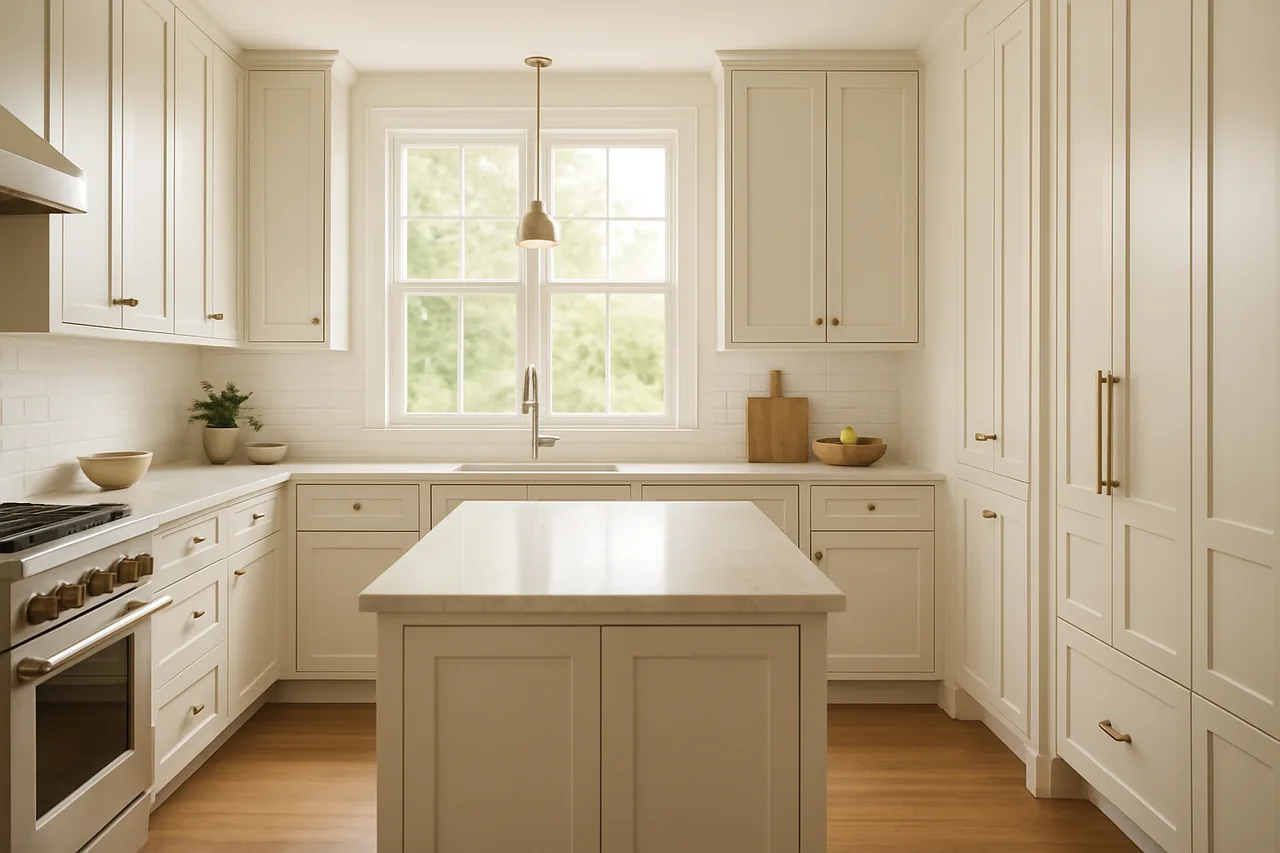
The cost of kitchen cabinets is decided by three choices you make before anyone hangs a box, and the price per linear foot follows from them — it does not lead. The first and largest lever is the construction tier: stock, semi-custom, or custom. The second is the box material — particleboard, plywood, or solid wood — which sets how the cabinet is built and how long it lasts. The third is the door style and finish, from a simple slab to a painted five-piece Shaker. Layer on cabinet count, hardware, and installation, and the same "kitchen" can land anywhere across a wide range. Rather than invent a per-foot average that would be wrong for your tier and material, this guide names every lever and hands you a cabinet cost calculator that estimates from the quote you were actually given. Get a free, itemized quote from a vetted installer first — that document, not a national average, is where your real cost lives.
Why Kitchen Cabinet Cost Rides on Three Choices, Not a Price Per Foot
A cabinet quote is usually framed as dollars per linear foot, but that number is an output, not an input — it is set by the tier, the box material, and the door. Two kitchens with the same footage can differ by a wide margin because one is stock particleboard with slab doors and the other is custom plywood with painted Shaker fronts. Understanding that the per-foot figure is the result of your three choices is what lets you read a cabinet quote critically instead of taking a headline rate on faith.
The Construction Tier Sets the Baseline
Cabinets come in three build tiers, and this is the single biggest lever on price. Stock cabinets are pre-made in fixed sizes and finishes, the fastest and lowest-cost path. Semi-custom cabinets start from standard boxes but allow size adjustments, more door styles, and finish options — the middle most kitchens choose. Custom cabinets are built to order in any dimension, species, and configuration, the highest cost and the longest lead time. The tier you pick largely decides your budget before material or door even enter the conversation.
What Separates One Tier From the Next
The jump between tiers is flexibility and fit, not just quality. Stock fits standard layouts and comes in set increments, so filler strips cover the gaps; semi-custom trims boxes to your walls and widens the door and finish menu; custom fits an odd wall, a tall ceiling, or a specialty storage need exactly. A well-built stock or semi-custom kitchen can last for decades — you climb the tiers for precise fit and options, which is why the honest question is how unusual your layout and needs are, not simply how much you can spend.
The Cost Factors That Move a Kitchen Cabinet Total
Below are the levers an installer prices, each paired with the direction and rough weight it pushes your total. Read it as a map of where the money goes, not a rate card — the actual dollars come from your local quote and the calculator.
| Cost factor | How it moves your total |
|---|---|
| Construction tier | The largest lever — custom sits well above semi-custom, which sits above stock, for the same footage |
| Box material | Particleboard is baseline; plywood boxes cost more and hold fasteners and weight better; solid-wood construction more still |
| Door style & finish | A flat slab is simplest; a five-piece Shaker adds parts, and a painted or specialty finish adds labor over stain |
| Cabinet count & kitchen size | More linear feet of base, wall, and tall cabinets is more boxes, doors, and install time |
| Drawer & storage upgrades | Soft-close glides, dovetail drawers, pull-outs, lazy Susans, and organizers each add cost per unit |
| Hardware | Hinges, pulls, and knobs — quantity times unit price adds up across a full kitchen |
| Installation labor | Leveling, scribing, and hanging to your walls, priced by your regional labor market and kitchen complexity |
| Removal, prep & modifications | Tearing out old cabinets, wall or plumbing/electrical changes, and fitting around obstacles are usually separate lines |
The two levers homeowners underweight are the box material and the storage upgrades — the first because it is hidden behind the doors, the second because each small add multiplies across a whole kitchen. Ask for them as named lines; an installer who lists tier, box material, door style, and each upgrade separately is quoting the whole job. Size your own kitchen against these factors with the cabinet cost calculator.
Kitchen Cabinet Cost Tiers — Relative Positioning, Not Dollars
Most of what you pay comes down to which build tier you land in, so picture the three as positioning before any number arrives. These are ordinal — entry below mid below premium — and describe what you get and give up, not a price. Use them to set expectations, then the calculator for a real figure with your local quote.
| Tier | What you get | The trade-off |
|---|---|---|
| Entry (stock) | Pre-made boxes in standard sizes, a particleboard or basic plywood carcass, a slab or simple door, and standard hardware | Fixed sizes need filler strips; the fewest door and finish options; shortest path to install |
| Mid (semi-custom) | Adjustable box sizes, a plywood carcass option, a wider door menu including painted Shaker, soft-close drawers, and some organizers | The balance most kitchens land on — real fit and options without full-custom pricing or lead time |
| Premium (custom) | Any dimension and species, solid-wood or premium-ply construction, specialty finishes, full storage systems, and exact-fit build | Highest cost and longest lead time; unmatched fit, materials, and configuration |
The honest read is that the tier is chosen by how your layout and needs fit standard sizing — a well-built semi-custom kitchen serves most homes for decades. The premium dollars buy exact fit, materials, and configuration, which is exactly why a spec-led recommendation starts with your walls, storage needs, and how you cook, not with a showroom's featured display.
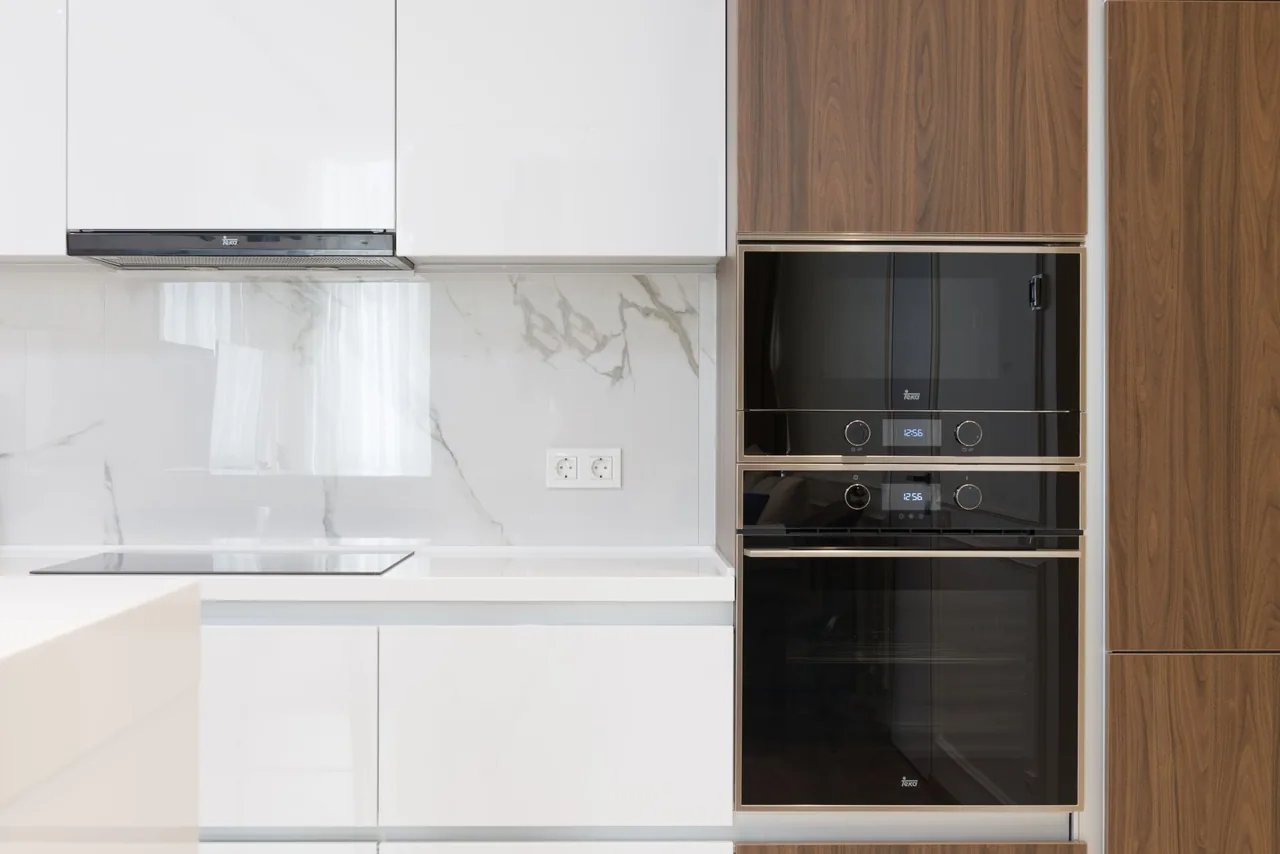
What's Included in a Cabinet Quote — and What's Usually Separate
The most common way a cabinet quote misleads is by bundling different things than the quote beside it, so two "installed" prices are not the same job. Knowing which items are typically in the base and which are add-ons is how you normalize competing bids.
| Line item | Typically included | Often a separate line |
|---|---|---|
| Cabinet boxes & doors | The cabinets in your chosen tier, material, and door style, to the plan | An upgrade in box material or door; specialty end panels and moldings |
| Standard hardware | Hinges and often basic pulls or knobs in a base package | Upgraded or designer pulls; extra hardware count |
| Installation | Leveling and hanging the cabinets to the plan | Scribing to out-of-square walls, ceiling-height fitment, difficult access |
| Storage upgrades | Rarely in a base price beyond standard shelves | Soft-close, dovetail drawers, pull-outs, lazy Susans, organizers |
| Old cabinet removal | Rarely included in the base cabinet price | Tear-out and disposal of the existing cabinets |
| Countertops | Not in a cabinet-only price — a separate trade | The countertop itself; see the countertop cost guides |
| Plumbing, electrical & wall work | Almost never included | Moving a sink or outlet, patching walls, relocating for a new layout |
When you compare two cabinet quotes, line them up item by item before you compare totals — the lower headline number is frequently the one that quoted particleboard against plywood, left removal off, or excluded the storage upgrades you assumed were standard. A cabinet installation quote that itemizes every line is worth more than a cheaper one that hides them.
Where Homeowners Overpay for Cabinets — Mistakes and Fixes
Most cabinet overspend is not the boxes; it is the tier, a layout change, and a few quoting traps. Each row pairs the mistake with what it costs and the fix that holds your budget without cutting real quality.
| Mistake | What it costs you | The fix |
|---|---|---|
| Buying custom when semi-custom fits | A full tier of cost for flexibility your standard layout didn't need | Only go custom where a wall, ceiling, or storage need truly demands it — mix tiers if useful |
| Comparing totals, not construction | Picking a "cheaper" quote that was particleboard against plywood | Compare box material and door style spec-for-spec, then compare price |
| Changing the kitchen layout | Plumbing, electrical, and wall work that dwarfs the cabinet savings | Keep the existing footprint where you can; a same-layout swap is far cheaper |
| Loading every cabinet with upgrades | Soft-close, pull-outs, and organizers multiplying across the whole kitchen | Put premium storage where you use it daily; keep standard shelves elsewhere |
| Overlooking refacing when boxes are sound | Paying for full replacement when the carcasses were fine | Consider refacing or painting — new faces on sound boxes for far less |
| Designer hardware on every door | Unit price times a high door-and-drawer count | Choose mid-priced pulls, or splurge on a focal run only |
| Skipping the free consultation | Committing to a tier and material before anyone measures the kitchen | Get a free design consult and itemized quote before you decide |
The pattern across every row is the same: the money leaks into an over-specified tier, a layout change, and multiplied upgrades — not into the cabinets' function. Catch those and a cabinet budget behaves.
The Kitchen Cabinet Budgeting Framework
Before you shop, set the budget from your layout, your storage needs, and how you cook — not from a showroom display. This six-part Kitchen Cabinet Budgeting Framework is the order a spec-led designer would walk you through — settle each and the quote becomes predictable.
- 1. Measure the real linear feet first
- Count linear feet of base, wall, and tall cabinets, not a guess at "kitchen size." That count is the base every other number builds on. The cabinet cost calculator turns your measurements into an estimate.
- 2. Choose the construction tier deliberately
- Decide custom, semi-custom, or stock based on how unusual your layout and storage needs are — not on the top of your budget. The tier is the biggest lever; matching it to your kitchen is the biggest saving.
- 3. Pick the box material with eyes open
- Choose particleboard, plywood, or solid-wood construction knowing plywood holds fasteners and weight better and resists moisture — a hidden but real quality and cost lever behind the doors.
- 4. Select the door style and finish
- A slab is simplest; a five-piece Shaker adds parts; a painted finish adds labor over stain. Decide the look early so it is priced, not upgraded mid-project.
- 5. Assign storage upgrades where you use them
- Put soft-close, pull-outs, and organizers in the cabinets you open daily and keep standard shelves elsewhere. These are per-unit lines; targeting them holds the budget.
- 6. Budget removal, layout, and countertops separately
- Treat tear-out, any plumbing/electrical or wall work, and the countertop as their own lines, because they usually are. A quote that hides them is not cheaper — it is incomplete.
How to Lower a Kitchen Cabinet Cost Without Cutting Quality
Because a well-built stock or semi-custom kitchen lasts for decades, nearly every honest saving is a tier, layout, or targeting choice — not a downgrade in durability. These six moves hold the budget while keeping cabinets that last.
- Match the tier to your layout, not your budget
- If your walls are standard, semi-custom fits beautifully — you give up exact-fit flexibility you did not need, not quality. This is the largest single saving available.
- Keep the existing footprint
- Holding the sink, appliance, and cabinet positions avoids plumbing, electrical, and wall work — one of the biggest hidden costs when a cabinet swap turns into a full remodel.
- Reface or paint sound boxes
- If the carcasses are solid, refacing with new doors and veneer, or painting them, delivers a new look for far less than replacement. See the cabinet refacing cost guide.
- Target the storage upgrades
- Put pull-outs and soft-close where you reach daily and standard shelves elsewhere. The upgrades are per-unit, so targeting them cuts real cost invisibly.
- Choose mid-priced hardware
- Pulls and knobs are quantity times unit price across a full kitchen; a mid-priced choice, or a splurge on one focal run, holds the line.
- Get more than one itemized quote — on the same spec
- Competing, line-itemized quotes from vetted installers keep pricing honest, but only compare when each quoted the same tier, box material, and door. Compare on spec, not the headline.
Want an itemized cabinet quote, not a per-foot rate?
We match you with a vetted installer who measures your kitchen and lines out tier, box material, doors, hardware, upgrades, and removal separately — free and with no obligation.
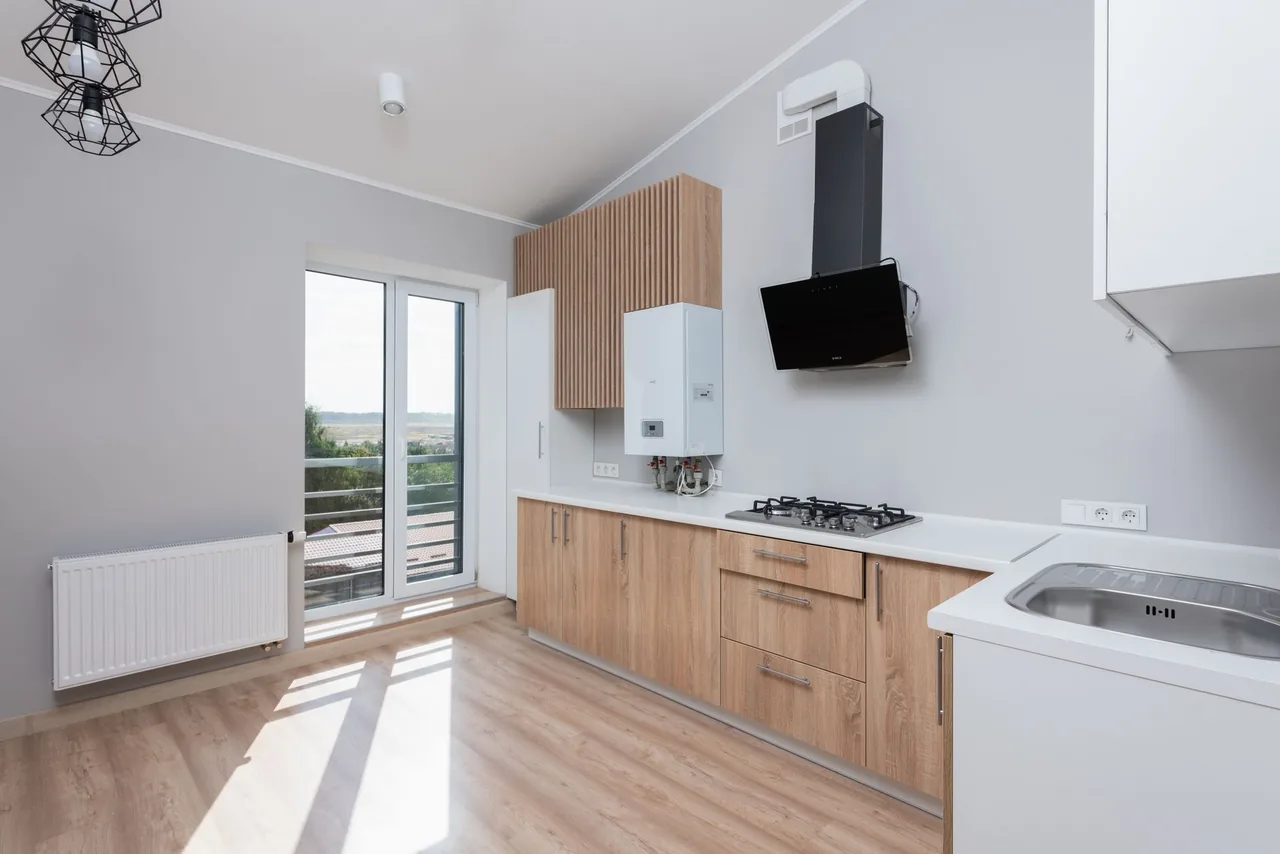
Which Cabinet Tier Fits Your Kitchen?
The right tier is the output of a few honest questions about your walls, your storage, and your budget — not a reflex for the nicest display. Walk the decision in order; each answer narrows the tier and the levers you should spend on.
- Are your boxes sound and just dated? If the existing carcasses are solid and only the doors and finish look tired, refacing or painting may beat new cabinets outright — a new look at a fraction of the cost. Only price new cabinets if the boxes are failing or the layout must change.
- How standard is your layout? If your walls take standard cabinet sizes, stock or semi-custom fits with minimal filler. If you have an odd wall, a tall ceiling to fill, or a specialty storage need, that is where custom earns its cost — and you can often mix a custom piece into a semi-custom kitchen.
- How much does box material matter to you? If you want the longest-lasting carcass that holds heavy stone counters and shrugs off a leak, choose plywood or solid-wood construction. If budget leads and the kitchen is moderate-use, a quality particleboard box is a legitimate choice — decide with eyes open.
- Which door and finish do you want? A slab door in a stock finish is simplest and cheapest; a painted five-piece Shaker is more parts and more finish labor. Let the door style you love set your tier expectation, since painted and specialty finishes push you toward semi-custom and up.
- Where will you use premium storage? Decide which cabinets get soft-close, pull-outs, and organizers. Everywhere is a premium-tier decision; targeting the daily-use cabinets keeps you in mid while still upgrading where it counts.
Run honestly, this tree usually points to a single tier — often semi-custom with a custom piece or two — and a short list of where to spend. An installer who pushes full custom for every kitchen, regardless of the answers, is the red flag. Compare door styles and materials against cabinets and the options on the material comparison tool.
How Cabinet Cost Fits a Whole-Kitchen Budget
Cabinets are rarely bought in isolation — they are usually the largest single line in a kitchen project, so it helps to see how they sit against the rest.
Cabinets vs. the Other Kitchen Lines
In most kitchen remodels, cabinets are the biggest cost, ahead of countertops, appliances, and flooring — which is why the cabinet tier decision drives the whole budget more than any other. The countertop is its own trade priced by material and fabrication (see the quartz and granite cost guides), and flooring is another. If you are pricing the entire room, the kitchen remodel cost guide puts every line in one place and shows what drives the total.
Where Refacing Changes the Math Entirely
The one decision that can halve a cabinet budget is choosing to keep the boxes. If your carcasses are sound, refacing — new doors, drawer fronts, and matching veneer over the existing boxes — delivers a transformed kitchen for far less than replacement, and it is faster and less disruptive. It is not right for a failing box or a layout change, but where it fits, it is the highest-value move in the whole category. The refacing cost guide walks the trade-off in full.
Cost Over Time: What Cabinet Construction Buys
A kitchen's honest cabinet cost is not just the install — it is the install divided by the years and the abuse the boxes can take.
Why Box Material Sets the Lifetime Value
The carcass no one sees decides how long the cabinets last. A plywood box holds screws and heavy countertops better, resists sagging, and survives a plumbing leak that would swell particleboard. Solid-wood doors and frames can be repaired and refinished for life. That hidden construction is where the lifetime value lives, which is why comparing quotes on box material — not just the door you see — is the difference between cabinets that last a decade and ones that last a generation.
The Finish and Hardware That Age Well
Two smaller choices carry outsized long-term value: a durable factory or sprayed finish that resists chipping, and quality soft-close hinges and glides that do not wear out or slam loose. Both cost a little more up front and save the callbacks and tired look that cheap versions bring.
How Sound Boxes Lower Your Future Cost
Investing in a quality solid-wood or plywood carcass now pays a second time later: when the finish eventually dates, sound boxes can be refaced or repainted instead of replaced, so the expensive structure is reused. A cheap box that fails forces a full replacement when the look tires, erasing that option.
Why Standard Hardware Sizing Matters Down the Road
Choosing doors bored for standard hinge and pull spacing keeps future updates cheap — a worn hinge or a style change is a simple swap rather than a re-drill. Proprietary or odd-spaced hardware locks you into one supplier and raises the cost of every later change. Compare cabinet materials and finishes spec-for-spec, and their expected life, on the material lifespan comparison, and map cabinet spend on the surface cost index.
Get a spec-matched recommendation
Tell us your surface, room, and goals — free, independent guidance and a vetted installer, nationwide.
Kitchen Cabinet Cost Glossary
These terms decide what a cabinet quote actually says. Each is defined as its working meaning on a real kitchen job, so you can read a scope and judge whether it is complete and fairly priced.
- Stock cabinets
- Pre-made cabinets in fixed sizes and finishes, the fastest and lowest-cost tier. Standard increments mean filler strips cover gaps against your walls; the door and finish menu is the narrowest.
- Semi-custom cabinets
- Cabinets built from standard boxes but adjustable in size, with a wider door and finish menu. The middle tier most kitchens choose — real fit and options without full-custom cost or lead time.
- Custom cabinets
- Cabinets built to order in any dimension, species, and configuration. The highest tier and longest lead time, justified by an odd wall, a tall ceiling, or a specialty storage need.
- Carcass (box)
- The cabinet body behind the doors — the part that carries weight and takes abuse. Its material (particleboard, plywood, or solid wood) is a hidden but major quality and cost lever.
- Particleboard
- An engineered wood box material, the budget carcass. Serviceable in moderate use but heavier, weaker at holding fasteners, and prone to swelling if it gets wet.
- Plywood box
- A cabinet carcass of layered wood ply — lighter, stronger at holding screws and heavy countertops, and far more moisture-resistant than particleboard. Costs more, lasts longer.
- Door style
- The face design — from a flat slab to a five-piece Shaker with a recessed panel. More pieces and a painted finish add fabrication and labor over a simple slab.
- Face frame vs. frameless
- Two construction styles — a face frame adds a wood frame to the box front (traditional), while frameless (full-access) omits it for more interior space and a European look. Each affects fit and cost.
- Soft-close
- Hinges and drawer glides with a damper that stops slamming. A per-unit upgrade that costs a little more and pays back in longevity and feel; worth targeting to daily-use cabinets.
- Dovetail drawer
- A drawer box joined with interlocking dovetails rather than staples or glue — stronger and longer-lasting. A quality marker and a per-drawer cost upgrade.
- Scribing
- Trimming a cabinet or filler to follow an out-of-square wall for a tight fit. Skilled install labor that a quality installer includes and a rushed one skips, leaving visible gaps.
- Refacing
- Replacing doors, drawer fronts, and visible veneer over sound existing boxes instead of full replacement. Often the highest-value cost move when the carcasses are still good.
A Real Kitchen Cabinet Cost Decision
One representative scenario shows how the tier and material — not a per-foot rate — set the total, and where a spec-led designer found the saving.
How to Vet a Cabinet Installer on Price and Scope
Because so much of a cabinet's cost and quality is hidden — the box material, the fit, the upgrades — the installer and the itemized quote matter as much as the door you pick. These questions separate a shop that quotes the whole job from one that leads with a per-foot headline.
- They quote the box material, not just the door
- Ask whether the carcass is particleboard, plywood, or solid wood, and get it in writing. A quote that names only the door style is hiding the lever that decides how long the cabinets last.
- They itemize tier, doors, hardware, upgrades, and removal
- Ask for the quote broken into lines. A shop that lists the construction tier, door style, each storage upgrade, hardware, and removal separately is quoting the real job — and lets you compare bids fairly.
- They measure the kitchen before quoting a final price
- An accurate cabinet quote follows a measured design of your actual walls, not a phone estimate. A firm number given sight-unseen almost always moves once someone measures and finds the out-of-square walls.
- They recommend refacing when it fits
- An honest shop tells you when your boxes are sound enough to reface or paint instead of replace — the higher-value move. One that only ever sells full replacement is a red flag.
- They quote removal, layout, and countertop work honestly
- Ask whether tear-out, any plumbing/electrical or wall work, and the countertop are included or separate. The honest answer is usually "separate" — a quote that stays silent is the one to question.
- They stand behind the installation in writing
- Ask for the scope, the timeline, and a workmanship guarantee in writing before work starts. A shop willing to name a warranty on the install — and to return if a door sags or a drawer binds — is accountable for the work, not just the boxes the maker covers.
The through-line is transparency: an installer who names the box material, itemizes, and measures is quoting a kitchen that will match its price, while one who leads with a per-foot rate is quoting a starting point. For the full range of surface projects and how each is priced, compare our cost guides, dig into the material trade-offs in our learning center, size the job with our calculators, and start from the cabinets hub or the full range of home surfaces.