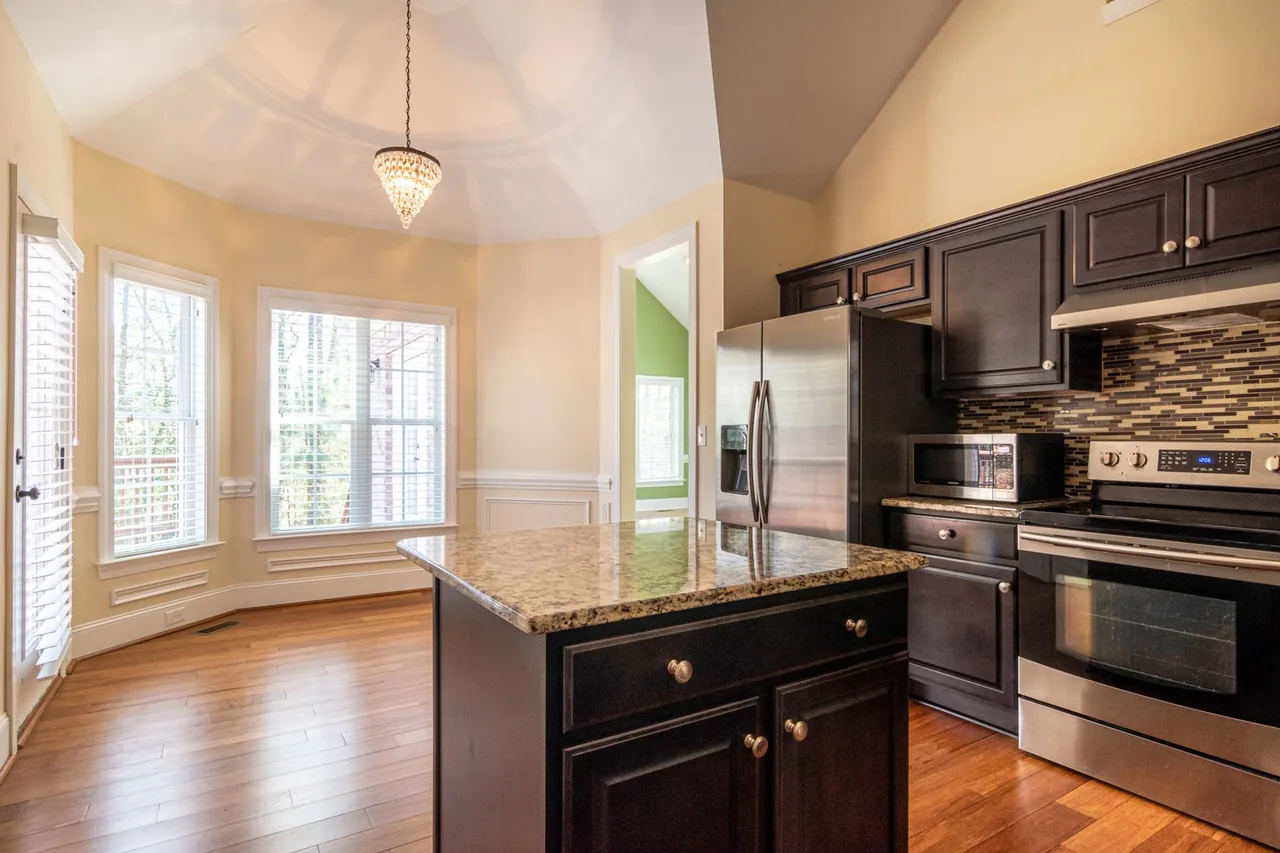
Custom cabinets are built to your exact dimensions, in your exact materials, with any door style, finish, and interior configuration — made for your room rather than pulled from a catalog of fixed sizes. Two facts decide whether custom is worth it and almost nothing else does: whether your space or your needs fall outside what stock and semi-custom lines can do, and whether the shop building it is good enough to deliver. If your walls are square and standard-height and your storage is ordinary, custom is overkill; if the room is irregular, the ceilings are tall, or you need a fit or insert no catalog offers, custom is the only path that delivers it without compromise — but only as good as the cabinetmaker behind it. Custom is a build approach, not a material or a look: you still choose those separately. Get a free consultation and a written, itemized scope from a vetted maker that names where custom earns its premium, the materials specified door by door, and the field-fit standard — that document is where a worthwhile custom kitchen is decided.
Custom Is a Build Approach, Not a Material or a Style
What you are buying with custom is not a particular door or wood — it is freedom from fixed sizes and a process that fits the room. A custom kitchen that earns its premium and one that spends bespoke money for a catalog result differ on where custom was actually used and how good the shop was, not on the finish.
What Custom Actually Means — and Where It Genuinely Wins
The defining feature of custom cabinetry is that nothing is fixed in advance. Stock cabinets come in set widths, usually in three-inch increments; semi-custom adds size adjustments and more options to a catalog; custom starts from a blank sheet and your room's measurements. That freedom is the whole value, and it shows up in three places. The first is fit: custom cabinets are sized to the actual wall, so there are no filler strips bridging the gap between a fixed-width cabinet and the corner, no wasted inches, and no awkward dead space — the run reads as built-in furniture because it is built for that wall. The second is using the whole room: cabinets that go to a tall or sloped ceiling, fit under a stair, wrap an angled or bumped-out wall, frame a specific window, or hold an appliance no standard box accommodates. The third is exact specification: any door style — Shaker, slab, or a profile a catalog won't make — any wood species or finish, any overlay, and any interior the way you actually use it. Custom is where storage stops being generic: a drawer for your mixer, a pull-out as deep as your pans, a spice insert, a hidden charging drawer, a pantry tuned to your groceries.
Where the Build Approach Decides the Outcome
Where a room or a need is non-standard, custom solves it cleanly instead of working around it — but the approach itself sets the result:
- Choosing custom for a square, standard room spends real money to deliver what a good semi-custom line would have given for less.
- A weak custom shop can deliver something worse than a strong semi-custom line, because "custom" is only as good as its maker's joinery and finish.
- Total design freedom can overwhelm: every dimension, material, and insert is a choice, and a poorly guided custom project produces expensive regrets.
None of those are flaws in custom itself — they are mismatches of the approach to the room or the shop, the most common reason a custom kitchen disappoints the homeowner who chose bespoke by default.
The Custom Fit Test: Six Checks Before You Commit
Before a custom kitchen is commissioned, a clear-eyed homeowner runs the project through the same six-check gate. Each check has a documented way custom goes wrong, and a project that fails any one is not ready to commit. Call it the Custom Fit Test: pass all six and the premium is well spent; fail one and you are paying bespoke prices for a catalog result.
- 1. The room or the need is genuinely non-standard
- Custom earns its premium on irregular or angled walls, tall or sloped ceilings, under-stair runs, a layout that wastes inches with fillers, or storage no catalog offers. If the room is square, standard-height, and your needs are ordinary, a semi-custom line likely fits for less — confirm the room actually demands custom first.
- 2. The cabinetmaker is vetted as hard as the design
- Custom is only as good as the shop. Ask about box joinery, finish process, and how they ensure consistency, and see prior work — a weak custom shop can deliver worse than a strong semi-custom line at higher cost. The maker is the single biggest variable in a custom result.
- 3. Budget and lead time are honest
- Built-to-order is the most expensive tier and the slowest from order to install — often many weeks. If the timeline is tight or the budget is fixed at the low end, weigh semi-custom or even refacing before committing to custom, so the approach matches the constraints.
- 4. Materials specified deliberately, door by door
- Custom doesn't pick your material for you. Use the freedom: solid wood where you want to stain, stable MDF or a hybrid for paint, moisture-resistant material at the sink, and a plywood box throughout. The point of custom is matching each choice to your room, not accepting a line's defaults.
- 5. Construction and overlay defined
- Custom builds both framed and frameless (full-access) at any overlay. Frameless gives more usable interior and a modern reveal; framed reads traditional. Specify the construction and overlay that fit the room and the look, rather than leaving them to the shop's habit.
- 6. Field-fit standard and hardware set
- The payoff for a made-to-measure build is a scribed, filler-free fit — but only with accurate field measurement and a careful install. Specify the scribe standard, dovetail drawers, and six-way soft-close hinges, because custom's interior freedom is wasted if the fit and hardware are not held to a bar.
Three of these six — that the room is truly non-standard, that the shop is vetted, and that the budget and timeline are honest — are where custom most often goes wrong, because they are judgments a hopeful homeowner skips, yet every one is checkable before a dollar is spent. That is why the fit test is non-negotiable.
Want to know whether custom is genuinely worth it for your room?
We match you with a vetted maker who is honest about where custom earns its premium and where a catalog would serve you better — and puts the plan in a written scope before you commit.
Custom Cabinet Specifications & Standards
With custom, quality lives in the shop and the choices you specify — there is no catalog spec sheet, so you define the standards yourself. From the controlling field measurement, through the materials and construction you specify, to the maker's build and finish standard, these are the specs that decide whether custom delivers.
The Room Measurement and Design
The foundation of custom is the measurement, because everything bespoke depends on it. How precisely the room is measured and designed is what separates a true built-in from an expensive near-miss.
Why Field Measurement Decides Everything
Custom cabinets are sized to the actual wall, so precise field measurements — taken on site, accounting for out-of-square corners, plumbing, appliances, and height changes — are what make the filler-free, built-in result possible. An inaccurate measurement turns custom's whole advantage into a fitting problem the install then has to fight.
Designing to Use Every Usable Inch
A good custom design reflects how you actually cook or work and uses every usable inch: cabinets to the ceiling, around an angled wall, under a stair, framing a window. This is where custom earns its premium over a catalog — not in the door, but in a layout that fits the room and the life lived in it.
The Interior Configuration You Value in Hindsight
The part homeowners value most after the fact is the interior: drawers sized to your contents, pull-outs, dividers, and inserts built around your real needs rather than generic compartments. Custom's interior freedom is the freedom semi-custom only partly offers — and it is wasted if the hardware and fittings are not specified to match how you live.
The Materials You Specify — Custom Doesn't Choose
Crucially, custom does not pick your material for you. A custom cabinet can be built in solid wood for refinishable grain, painted MDF for a flawless smooth finish, a hybrid door, or even thermofoil — on a plywood or particleboard box, framed or frameless. The advantage of custom is that you can mix these deliberately: a solid-wood frame with a stable MDF panel, plywood boxes throughout, moisture-resistant material at the sink, the exact overlay and reveal you want.
The Maker's Build and Finish Standard
Because there is no catalog spec, the cabinetmaker's joinery and finish are the quality. Ask about box joinery — dovetailed drawers, dadoed and glued cases — the finish process, and how consistency is held across a run. This is the single biggest variable in a custom result, which is why the shop matters as much as the spec.
Custom Spec Snapshot — What to Define in Writing
The table below collects what a clear custom scope defines, because with no catalog you set the standards yourself. These are the choices to name — the maker's specification and your room govern the values.
| Spec | What it controls | Typical choice | Why it matters |
|---|---|---|---|
| Field measurement | Filler-free, built-in fit | Precise on-site measure of the actual room | The whole custom advantage rides on accuracy |
| Door material | Stain, paint, heat, moisture behavior | Solid wood / MDF / hybrid / thermofoil, by location | Custom lets you mix the right material per spot |
| Box construction | Screw-holding, moisture | Plywood, dadoed and glued | Custom's point is not settling for a weak default |
| Drawer joinery | Durability under daily use | Dovetailed drawer boxes | A maker's joinery is the quality you can't see |
| Construction & overlay | Interior space, reveal style | Framed or frameless, any overlay | Specify the look and access the room wants |
| Interior fittings | How the storage actually works | Pull-outs, dividers, inserts to your needs | The part valued most in hindsight |
| Hardware | Even reveals, smooth action | Six-way soft-close hinges, full-extension slides | Interior freedom is wasted without good hardware |
The lesson is that a custom kitchen's quality is bought in the measurement, the specified materials, and the shop's joinery — there is no catalog to lean on, so you set the bar. Size the project with the cabinet cost calculator first, then hold each maker to this snapshot.
Custom vs. Stock and Semi-Custom — and the Material Choice Within
The real comparison for custom is not against a material — it is against the other ways to buy cabinets. And within custom, you still choose the same materials as everyone else. Both comparisons matter, so place custom against the tiers first, then against the material decision it still leaves you.
The Stock vs. Semi-Custom vs. Custom Matrix
The matrix below is the buying decision — fit, sizing, lead time, cost, and where each tier is the right call, side by side.
| Tier | Sizing | Fit | Material range | Lead time | Cost | Right when |
|---|---|---|---|---|---|---|
| Stock | Fixed widths (3" increments) | Fillers bridge gaps | Limited catalog | Fastest, often immediate | Lowest | Standard room, budget-driven |
| Semi-custom | Catalog + size adjustments | Fewer fillers, fits well | Broader catalog + mods | Middle | Middle | Mostly standard, some needs |
| Custom | Any dimension, from scratch | Scribed, filler-free | Any material and spec | Longest, made to order | Highest | Non-standard room or specific demands |
Reading the Matrix: Which Tier Fits Your Room
Stock is fastest and cheapest, in fixed sizes, with fillers bridging the gaps and a limited catalog — excellent value for a standard room. Semi-custom keeps a catalog of styles and finishes but allows size adjustments, more box and interior options, and modifications, fitting far better than stock with fewer fillers, at a middle price and lead time — the right answer for most kitchens that are close to standard. Custom is built from scratch to any size and spec, the only path for irregular rooms, special storage, or a look the catalog won't make, at the highest cost and longest lead time. The honest decision tree: standard room and budget-driven, stock; mostly standard with some special needs, semi-custom; non-standard room or specific demands, custom.
The Material Choice Custom Still Leaves You
Choosing custom does not pick your material. A custom cabinet can be built in solid wood for refinishable grain, painted MDF for a flawless smooth finish, a hybrid door, or even thermofoil — and on a plywood or particleboard box, framed or frameless. The advantage of custom is that you can mix these deliberately: a solid-wood frame with a stable MDF panel, plywood boxes throughout, moisture-resistant material at the sink, the exact overlay and reveal you want. Custom is the freedom to specify every one of those choices for your room rather than accept a line's defaults — which is why the material pages still matter even after you have chosen to build custom.
Is Custom Right for Your Space?
Custom is the right answer for a non-standard room or a specific need, and the wrong answer for a standard one. Walk the chain in order; each branch points toward custom — or away from it to a tier that fits for less.
- Ask whether stock and semi-custom can fit your room. Irregular or angled walls, tall or sloped ceilings, under-stair runs, or a layout that wastes inches with fillers are the cases custom solves cleanly. If your room is square and standard-height, a semi-custom line likely fits for less — this is the first and most important fork.
- Ask whether you need specific storage or a specific look. Drawers and pull-outs built for your real contents, inserts no catalog offers, or a door style and finish a line won't make are reasons to go custom. Generic storage needs don't justify the premium.
- Vet the cabinetmaker as hard as the design. Custom is only as good as the shop. Ask about joinery, finish process, lead time, and consistency, and see prior work — a weak custom shop can deliver worse than a strong semi-custom line at higher cost.
- Budget for cost and lead time honestly. Built-to-order is the most expensive tier and the slowest from order to install. If the timeline is tight or the budget is fixed at the low end, weigh semi-custom or even refacing before committing.
- Specify materials deliberately for the build that survives. Use the freedom: solid wood where you want to stain, stable MDF or a hybrid for paint, moisture-resistant material at the sink, plywood boxes throughout. The point of custom is matching each choice to your room, not accepting a default.
Run honestly, this tree returns a clear verdict — custom where the room or the need demands it, a catalog tier where it doesn't — and a maker who recommends custom for a square, ordinary room is the red flag.
Not sure if your project should be custom or semi-custom?
Tell us about your space and we will match a vetted maker who tells you honestly where custom pays off and where a catalog line fits for less — in writing, before you commit.
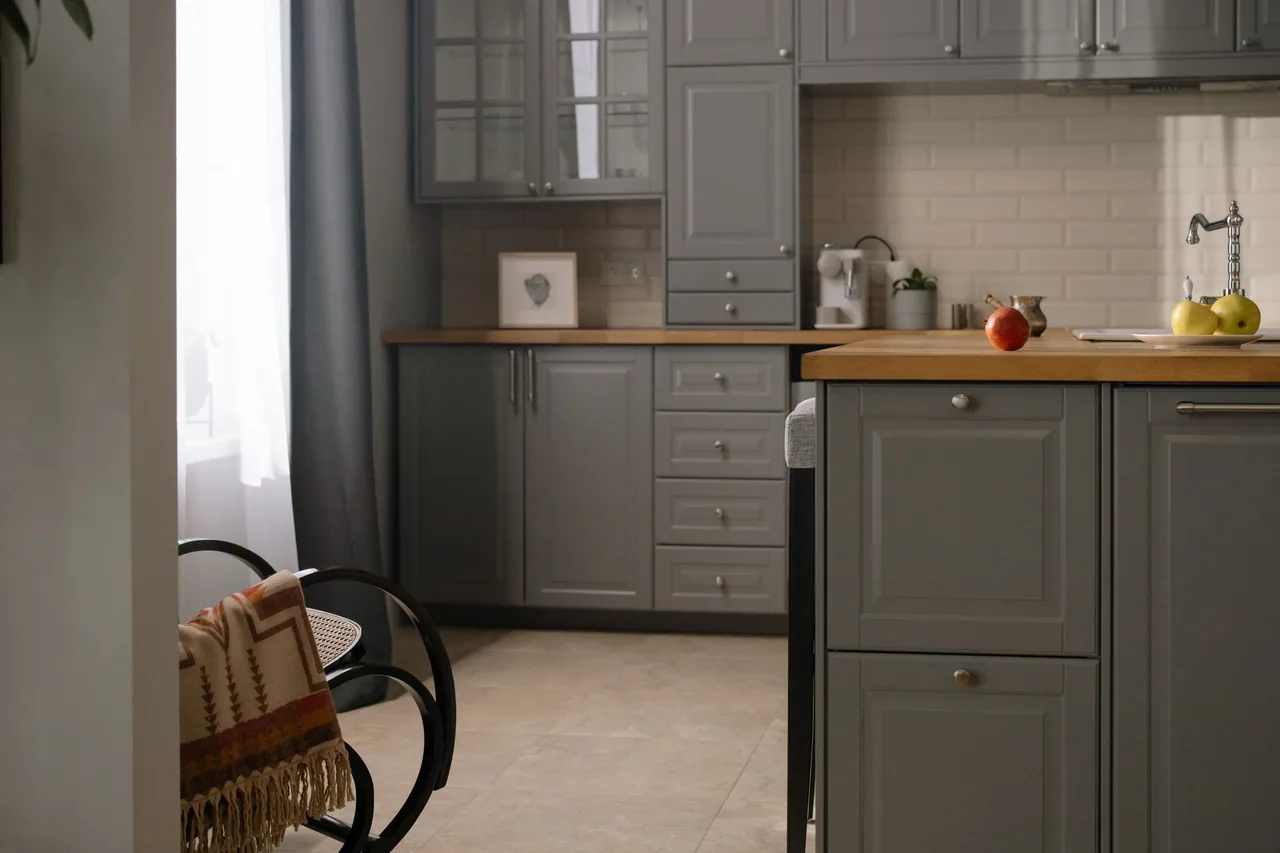
Why Custom Disappoints — and How the Right Approach Prevents It
Custom's freedom carries real costs, and the most common "failure" of custom is choosing it when you didn't need to — each pitfall paired below with its mechanism, cause, and named prevention.
Overspending: Custom for a Standard Room
The classic custom mistake is paying for bespoke when a catalog fits. The mechanism is cost: built-to-order cabinetry is made individually rather than in volume, so for a standard, square room with ordinary storage needs, custom spends real money to deliver what a good semi-custom line would have given for less. The cause is choosing custom by default. The prevention is the first fit-test question — confirm the room or the need is genuinely non-standard before committing.
A Weak Shop: Custom No Better Than Catalog
"Custom" is only as good as the shop building it, and unlike a national line with consistent specs, a custom result depends entirely on the cabinetmaker's joinery, finish quality, and how well they translate your needs into the build. The cause is hiring an unvetted maker. The prevention is vetting the shop as hard as the design — joinery, finish process, consistency, and prior work — so a weak custom shop doesn't deliver worse than a strong semi-custom line.
Blown Timelines: Custom on a Tight Schedule
Because each piece is made to order, custom takes the longest from order to install — often many weeks — where stock can be near-immediate. The cause is a project on a tight timeline served by the slowest tier. The prevention is honest scheduling: if the timeline is fixed and short, weigh semi-custom or refacing, which deliver far faster.
Decision Regret: Total Freedom, Poor Guidance
The flip side of total freedom is decision load: every dimension, material, finish, and interior is a choice, which is powerful but can overwhelm, and a poorly guided custom project produces expensive choices the homeowner later regrets. The cause is freedom without guidance. The prevention is a maker and a clear scope that guide each decision — turning custom's freedom into a benefit rather than a burden.
Common Custom Cabinet Mistakes, Consequences, and Prevention
Most disappointing custom kitchens come from the same handful of misjudgments, each with a predictable consequence and a known prevention. Naming them is how you avoid a costly bespoke mistake before you commit.
| Mistake | What it causes | The prevention |
|---|---|---|
| Custom for a square, standard room | Bespoke prices for a result a catalog matches | Confirm the room or need is genuinely non-standard first |
| Hiring an unvetted shop | Joinery and finish worse than a good semi-custom line | Vet joinery, finish, consistency, and prior work |
| Ignoring lead time | A stalled project waiting weeks on made-to-order work | Weigh semi-custom or refacing on tight timelines |
| Letting custom pick materials | One material everywhere by default, wrong in spots | Specify door material and box deliberately, by location |
| Inaccurate field measurement | Gaps and fillers that defeat the built-in look | Insist on precise on-site measurement of the real room |
| No guidance on the choices | Decision overload and expensive regrets | Use a maker and scope that guide each decision |
| Accepting a weak default box | A particleboard case under a bespoke kitchen | Specify a plywood box and dovetail drawers |
Every row is a documented source of a custom kitchen disappointing — which is why "non-standard room, vetted shop, honest timeline, materials specified, in writing" is the most valuable sentence in a custom quote.
How Custom Is Specified — What You're Actually Buying
Buying custom is buying a process and a set of choices, not a product off a shelf, and the value comes from how well that process is guided. Knowing what to specify is what separates a great custom kitchen from an expensive disappointment, so each element is defined deliberately for the room.
What Each Element Actually Buys
Custom is the sum of four decisions, each of which you set rather than pull from a catalog.
- The room measurement and design is the foundation: precise field measurements and a design that uses every usable inch, accounts for appliances and plumbing, and reflects how you actually cook or work. This is where custom earns its premium over a catalog.
- The material and finish package is yours to define door by door — species, paint or stain, the smart hybrid and moisture-resistant choices where they matter — the freedom semi-custom only partly offers.
- The interior configuration is the part homeowners value most in hindsight: drawers sized to your contents, pull-outs, dividers, and inserts built around your real needs rather than generic compartments.
- The maker's build and finish standard determines whether all of that is executed well — which is why the shop matters as much as the spec.
Because custom touches every choice, it is also the natural path when a project pairs cabinets with new countertops and a full reconfiguration. For how these choices move the total, see our kitchen cabinet cost guide and the broader cost guides; for keeping sound boxes while changing the look short of full custom, compare refacing.
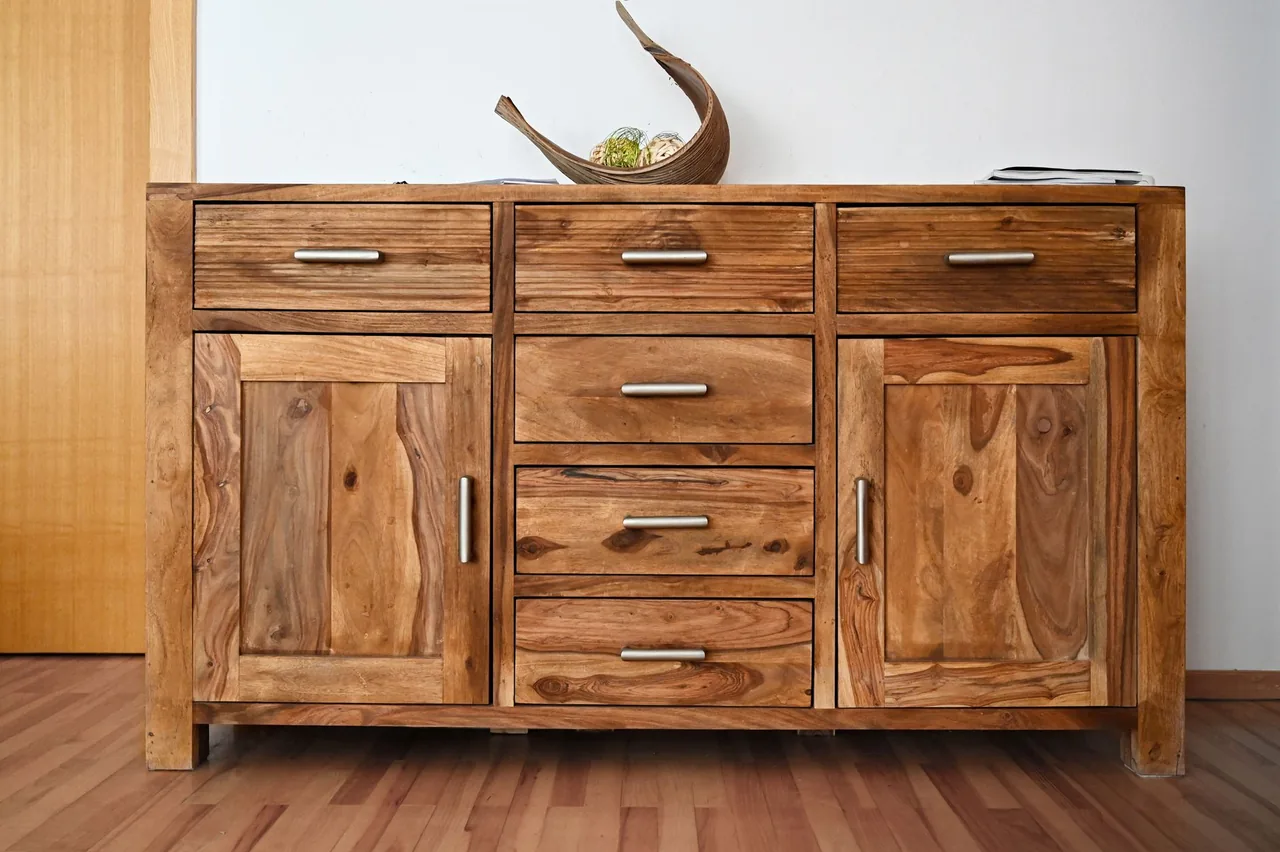
How Custom Cabinets Are Built and Installed
A custom kitchen is made in two arcs — the room is measured and the cabinets built to it, then the made-to-measure run is scribed into place — and each step exists to protect the built-in result custom is paid for. The six steps below run from field measurement to dialing the reveals, and a near-seamless fit is earned at both the measure and the install.
Take Precise Field Measurements
The shop measures the actual room on site — out-of-square corners, plumbing, appliances, and height changes — because the made-to-measure boxes will be built to these numbers. An accurate field measurement is what makes the filler-free, built-in result possible; an inaccurate one turns custom's advantage into a fitting fight.
Design to Use Every Usable Inch
The design is drawn to the room and the life lived in it — cabinets to the ceiling, around an angled wall, under a stair, with the interior fittings you'll actually use. This is where custom earns its premium over a catalog, in a layout that wastes no space.
Specify Materials Deliberately, Door by Door
The material package is defined on purpose: solid wood where you'll stain, stable MDF or a hybrid for paint, moisture-resistant material at the sink, all on a plywood box. Custom's whole point is matching each choice to the room rather than accepting a default.
Build to Dimension With Real Joinery
The shop builds the boxes and doors to the room's exact measurements, with dadoed-and-glued cases and dovetailed drawers — the joinery that is the quality you can't see. This is the maker-dependent step, which is why the shop is vetted as hard as the design.
Scribe-Fit the Made-to-Measure Run
Cabinets are hung off a level line, shimmed plumb, and screwed into studs — and because the boxes were sized to the room, a skilled installer scribes them and the panels tightly to the actual walls, ceiling, and floor for the built-in look. With accurate measurement and a careful install there should be little or no filler.
Set the Fittings and Dial In the Reveals
The specified inserts, pull-outs, and interior fittings are set and adjusted, and the doors go on last with six-way soft-close hinges tuned so every reveal is even across the bespoke run. When measurement, build, and install all align, the result looks like it grew from the room.
Skip or rush any one of these six — especially the measurement or the scribe-fit — and the seamless result custom is paid for slips away. A full installation is the norm for custom; where existing boxes are sound and only the look needs changing, a reface is the lighter alternative.
Talk through your project — free.
A free consultation and a written, itemized quote from a vetted installer. No pressure, no obligation.
What Actually Drives the Cost of Custom Cabinets
A custom quote is not a flat per-foot rate; built-to-order pricing is the sum of the items below, ranked by how much they move the total.
The Cost Drivers That Move the Total Most
- Scope of true custom work. The baseline: how much of the kitchen genuinely needs bespoke building — the angled wall, the ceiling-height run, the special insert — versus parts a catalog could have handled. Using custom only where it pays off is the biggest lever on the total.
- The shop and its joinery. A maker with dovetail drawers, dadoed cases, and a furniture-grade finish costs more than a basic shop — and is what makes custom worth it, so it is the spend that justifies the approach.
- Material and finish package. Specified door by door, the species, paint or stain, hybrid panels, and moisture-resistant board at the sink all move the price — and the freedom to mix them is custom's value.
- Box construction. A plywood box with dovetail drawers costs more than a weaker default but is the case custom should never skimp on; specifying it is part of paying for bespoke.
- Interior fittings and inserts. The drawers, pull-outs, dividers, and inserts built around your needs are the part valued most in hindsight and a real line item across a kitchen.
- Design and field measurement. The precise measure and the design that uses every inch are labor that earns custom's premium — and skimping here undermines the whole approach.
- Old-cabinet removal and disposal. Tear-out is labor and haul-away is a fee, and removal can expose wall or plumbing problems that change scope — which is why it belongs in the written quote up front.
- The semi-custom or refacing alternative. Where parts of the room are standard, a semi-custom line or a reface of sound boxes costs less; compare it in our cabinet refacing cost guide before committing the whole kitchen to custom.
Because these drivers swing so widely, the only honest number comes from an on-site assessment. Compare what moves the price across the category in our cost guides, and size your own kitchen first with the cabinet cost calculator so you can read a quote critically.
Get an itemized scope, not a headline rate.
A vetted maker prices the design, the materials, the boxes, the fittings, and removal as separate lines — and tells you which parts even need to be custom, free and with no obligation.
Custom Cabinet Glossary
The terms below recur in every custom quote, design meeting, and shop conversation — each defined as its working meaning on an actual project, so you can read a scope and judge whether it is complete.
- Custom cabinetry
- Cabinets built to your exact dimensions, materials, and configuration from a blank sheet — a build approach, not a material or a style, and the only path for a truly non-standard room.
- Stock cabinets
- Cabinets in fixed widths, usually three-inch increments, the fastest and cheapest tier — gaps to walls are bridged with filler strips and you live with the sizes offered.
- Semi-custom cabinets
- A catalog of styles and finishes that allows size adjustments, more options, and modifications — fitting far better than stock with fewer fillers, at a middle price and lead time.
- Filler strip
- A blank piece used to bridge the gap between a fixed-width cabinet and a wall or corner. Custom's sized-to-the-wall build largely eliminates fillers.
- Field measurement
- The precise on-site measurement of the actual room — corners, plumbing, appliances, height changes — that a custom build is made to. Accuracy here is custom's whole advantage.
- Scribing
- Trimming a cabinet or panel to follow the exact contour of an out-of-square wall, ceiling, or floor, for the tight, built-in look custom is paid to deliver.
- Framed cabinet
- A box with a face frame the door closes against — traditional American construction. Custom builds both framed and frameless at any overlay.
- Frameless (full-access) cabinet
- A box with no face frame, giving more usable interior and a modern reveal. Custom builds it to any dimension the room needs.
- Dovetail drawer
- A drawer box joined with interlocking wedge-shaped pins — the durable, premium joint that signals a quality custom shop and outlasts stapled joints.
- Hybrid door
- A deliberate pairing of a solid-wood frame with a stable MDF panel — one of the mix-and-match material choices custom lets you specify door by door.
- Plywood box
- A cabinet case built of plywood rather than particleboard — it holds screws and resists moisture far better. Custom's point is specifying it rather than accepting a weaker default.
- Lead time
- The span from order to install. Because each piece is made to order, custom has the longest lead time of any tier — a real factor on a tight schedule.
Standards, Warranty Conditions, and When a Permit Applies
A cabinet warranty is a contract with conditions, and on custom the conditions and the quality both come down to the shop and the materials you specified.
Warranty Conditions That Hinge on the Build
The conditions depend on the materials chosen — a solid-wood door asks for a stable climate, an MDF edge for sealing, a thermofoil door for heat distance — and on the maker's own workmanship guarantee. Because custom has no national line behind it, the shop's warranty and reputation carry more weight, which is why the maker is vetted as hard as the design. Ask in writing for the material specs, the build standard, and the shop's workmanship warranty — that document is what a claim is judged against, and one more reason the cheapest custom quote is rarely the cheapest kitchen.
The Standards That Set the Bar
Reputable custom cabinetry is built to recognized standards for construction, finish durability, and hardware cycle life — and a serious shop can speak to them even without a catalog stamp. The advantage custom often carries is matchability: because the cabinets came from a shop, that shop can frequently rebuild or match a damaged door, supply the exact finish, or adjust a fitting in a way a discontinued catalog line cannot — so keep the maker's details and any leftover finish.
When a Cabinet Permit Is Required
Permits enter when the work goes beyond hanging cabinets. Replacing cabinets like-for-like usually does not require one, but a custom project that moves plumbing or electrical for a new layout, or ties into a larger renovation, often does. A reputable maker tells you when a permit applies rather than working around it — and structural or plumbing changes belong with the right trade before the cabinets go in. Where the existing boxes are sound and only the look needs changing, a reface or, for wood, a refinish is the lighter path.
A Real Custom Cabinet Decision
One representative scenario shows when custom is genuinely worth it: the room, not the homeowner's preference, made the case — and one part of the kitchen did not need it.
How to Vet a Custom Cabinetmaker
Custom is only as good as the shop, so vetting the maker is the most important thing you do — more than choosing a door. These questions separate a shop that delivers a true built-in from one that charges bespoke prices for a catalog result.
- They tell you honestly where custom pays off
- Ask whether your whole kitchen needs to be custom. A trustworthy maker says where stock or semi-custom would serve you better and reserves custom for the non-standard parts — rather than selling bespoke everywhere.
- They show joinery and prior work
- Ask about box joinery and to see completed kitchens. A credible shop shows dovetail drawers, dadoed-and-glued cases, and a consistent finish across a run — the quality you can't judge from a rendering.
- They are precise about field measurement
- Ask how they measure and account for out-of-square walls. A pro describes a careful on-site field measurement and a scribe-fit install, because that accuracy is what makes the built-in result possible.
- They specify materials door by door
- Ask how they choose materials per location. A real maker uses solid wood for stain, stable MDF or a hybrid for paint, and moisture-resistant board at the sink — not one material everywhere by default.
- They are honest about lead time
- Ask how long from order to install. A straight answer names the real, longer made-to-order timeline rather than promising a stock-like turnaround it can't meet.
- They put the spec and a workmanship warranty in writing
- Ask for the design, materials, box, joinery, fittings, timeline, and workmanship warranty in writing before work starts. Because custom has no national line behind it, a shop willing to name a workmanship guarantee — and to match or rebuild a door later — is what you're really buying.
Why Route Your Custom Project Through Pro Work Home Surface
Pro Work Home Surface is not a cabinet shop and does not build or hang your cabinets — we are a national authority on home surfaces that matches homeowners with vetted local makers and installers and holds them to a published bar.
- A free consultation and an itemized written scope
- Every connection starts with a no-obligation consult and a written quote that names the design, the materials door by door, the box, and the field-fit standard separately — so "custom" is a defined plan, not an open-ended spend.
- Custom recommended only where it pays off
- A vetted maker is honest about when stock or semi-custom would serve you better, so you spend on bespoke cabinetry for a non-standard room or a real need — not for a square room a catalog already fits.
- Build, finish, and field-fit held to standard
- Joinery, finish quality, accurate field measurement, and a scribed, filler-free install are the bar — so the precise made-to-measure build actually delivers the built-in result custom is paid for.
- National coverage, local makers
- We match you with makers and installers in your area nationwide, so the standard is consistent even though the shop is local — whether your project is a single built-in or a whole kitchen.
Cabinets are one of eight categories we cover across home surfaces. If your project also pairs custom cabinets with new countertops, or you're weighing a reface, a repaint, a refinish, or a simple repair instead, the same standards apply — compare what moves the price in our cost guides, dig into the how-and-why in our learning center, read up on the major makers in our brand overviews, and start from the cabinets category hub or the full range of home surfaces.
Brands & Material Authority
Quality and construction drive long-term performance more than the label. These are widely respected names in this category:
- KraftMaid
- Merillat
- Diamond
- Wellborn
- American Woodmark
- Thomasville