
Hardwood vs. vinyl flooring comes down to one question the showroom never asks: where in the house is the floor going, and can it get wet? Choose hardwood when you want a real-wood floor you can refinish for decades in a dry, above-grade room and are willing to protect it from standing water. Choose vinyl — specifically rigid-core luxury vinyl plank — when the room sees water, kids, pets, or a below-grade slab, or when you want a floor that installs in a day and never needs sanding. Neither is universally better; they win different rooms. The deciding facts are moisture exposure, refinishability, hardness, and where the subfloor sits relative to grade. Get a free consultation and a written scope from a vetted installer who tests your subfloor before you commit to either — because the substrate can rule one of them out before looks ever enter the conversation.
The Verdict First: Which Floor Wins Your Room
Most of this decision is settled before you weigh a single aesthetic preference, because moisture and grade eliminate one material outright in the rooms where they apply. The short answer below holds for the large majority of homes.
When Hardwood Is the Right Call
Hardwood is the better floor in dry, above-grade living spaces where you value a genuine wood surface and long-term refinishability over water immunity. A living room, dining room, bedroom, hallway, or main-level great room with a plywood subfloor is hardwood's home turf. It rewards the higher upfront cost with a floor that can be sanded and re-coated five to seven times over a lifespan that pushes past fifty years, and it adds resale value real-estate data consistently ties to genuine wood.
When Vinyl Is the Right Call
Vinyl wins any room where water is a real risk or the subfloor is a below-grade slab, and any household that prioritizes durability-per-dollar over authenticity. A kitchen, bathroom, laundry room, or basement, a home with dogs and kids, or a project on a tight timeline all point to rigid-core vinyl. It is 100% waterproof, installs as a floating floor over most flat subfloors in a fraction of the time, and shrugs off scratches and spills that would dent or stain wood.
The One Fact That Settles It Fastest
If the room can flood, splash, or sits below grade over concrete, the decision is effectively made: vinyl. Solid hardwood is moisture-sensitive — it cups, gaps, and stains when it meets water it cannot dry from — and manufacturers do not warranty it below grade or in full wet areas. Everything else in this comparison refines a choice that moisture has often already narrowed to one. Size the job with the flooring cost calculator once the room has named its material.
Hardwood vs. Vinyl: The Full Side-by-Side Spec Comparison
The table below sets the two materials against each other on the specs that actually decide performance — construction, hardness, water behavior, refinishability, and lifespan — with documented values attributed to their scales, not showroom claims.
| Attribute | Hardwood | Luxury Vinyl (LVP/LVT) |
|---|---|---|
| What it is | Real milled wood — one solid piece or a veneer over ply | Printed PVC plank/tile with a clear wear layer over a rigid or flexible core |
| Hardness / durability scale | Janka hardness in lbf — red oak 1290, white oak 1360, hickory 1820 | Wear layer thickness in mil — 6 mil light, 12–20 mil heavy traffic |
| Water resistance | Sensitive — cups and stains from standing water; not for wet areas | 100% waterproof with an SPC/WPC rigid core |
| Below-grade rating | Solid: no. Engineered: some products only | Yes — rated below grade and in basements |
| Refinishable | Solid 5–7×; engineered 1–3× by wear-layer thickness | No — worn planks are replaced, not sanded |
| Feel underfoot | Solid, warm, traditional; hard | Slightly softer, warmer than tile; some hollow sound without pad |
| Realism | Genuine wood — it is the real thing | High-res print film; convincing but a printed image |
| Typical lifespan | Decades to 50+ years when refinished | Commonly 15–25 years before replacement |
| Relative material cost | Higher — $$$ to $$$$ | Lower — $ to $$$ by wear layer and core |
| Install methods | Nail-down, staple-down, or glue-down; skilled | Mostly floating click-lock; glue-down for some products |
| Resale signal | Strong — buyers pay a premium for real wood | Neutral to positive; valued for practicality |
Read down the two columns and the pattern is clear: hardwood leads on authenticity, refinishability, and lifespan; vinyl leads on water, install speed, and cost. There is no row where one wins on every axis — which is exactly why the right answer is room-specific. Compare their documented lifespans side by side in the material lifespan comparison.
Choose Hardwood If…
Six conditions push the decision toward real wood. If most of these describe your room and priorities, hardwood is the floor that will satisfy you longest — and each is a fact about your situation, not a matter of taste.
- The room is dry and above grade
- A main-level or upstairs living space over a plywood subfloor, away from standing-water risk, is where wood performs for decades. Living rooms, bedrooms, dining rooms, and hallways are ideal; kitchens and baths are not, and basements are off the table for solid wood.
- You want to refinish rather than replace
- Solid hardwood sands and re-coats 5–7 times, so a single floor can be renewed across generations instead of torn out. If you expect to change stain color or erase decades of wear without a new floor, only wood offers that — see floor refinishing.
- Genuine material matters to you
- You want the real thing underfoot, not a printed image of it — the grain, the warmth, and the way light moves across true wood. If a convincing look-alike would always feel like a compromise, that preference points to hardwood and nowhere else.
- Resale value is a priority
- Real-estate data consistently associates genuine hardwood with higher perceived value and faster sales. If you are renovating with an eye on the next buyer in a dry living area, wood sends the stronger signal — the surface cost index frames where the premium sits.
- You will protect it from water
- Wood rewards a household that wipes spills promptly, uses mats at entries, and keeps indoor humidity stable. If that upkeep fits your life, the moisture caveat is manageable; if it does not, that honesty points you to vinyl instead.
- You can invest more upfront for a longer horizon
- Hardwood costs more to buy and install, but amortized across a 50-plus-year refinishable life it is often the lower lifetime cost in a room that suits it. If you are staying put and value permanence over the cheapest install, wood is the long play — model it in the hardwood flooring cost guide.
Choose Vinyl If…
The mirror image holds for vinyl. If these six describe your rooms and household, rigid-core vinyl is the floor that will frustrate you least — and, again, most are facts about the space rather than preferences.
- Water is a real risk in the room
- Kitchens, bathrooms, laundry rooms, and mudrooms see spills, splashes, and the occasional leak. A 100% waterproof rigid core will not swell or stain where wood would — see waterproof flooring and waterproof vinyl.
- The subfloor is a below-grade slab
- Basements and on-grade concrete carry ground moisture that rules out solid wood entirely. Rigid-core vinyl is rated for below grade and installs directly over a flat, dry slab — the standard answer for basement flooring.
- Pets and kids are hard on floors
- Claws, dropped toys, and accidents demand a scratch- and stain-resistant surface that wipes clean. A thick wear layer takes the abuse a soft wood species would show within a season — the reasoning behind pet-friendly flooring and kid-friendly flooring.
- You want a fast, lower-cost install
- Floating click-lock vinyl goes down over most flat subfloors in a fraction of hardwood's time, with no sanding, staining, or cure period. If budget and timeline are tight, vinyl delivers a finished floor sooner and for less — size it with the cost calculator.
- Low maintenance beats refinishability
- Vinyl never needs sanding or re-coating; it is swept and damp-mopped, and a damaged plank is swapped rather than the room refinished. If you would rather never think about upkeep than retain the option to renew, that trade favors vinyl.
- You want a wood or stone look without the caveats
- High-resolution print film gives convincing wood and stone visuals in rooms where the real material could not survive — a wood look in a wet a laundry-room floor, a stone look in a bathroom. Compare formats under luxury vinyl tile and vinyl flooring cost.
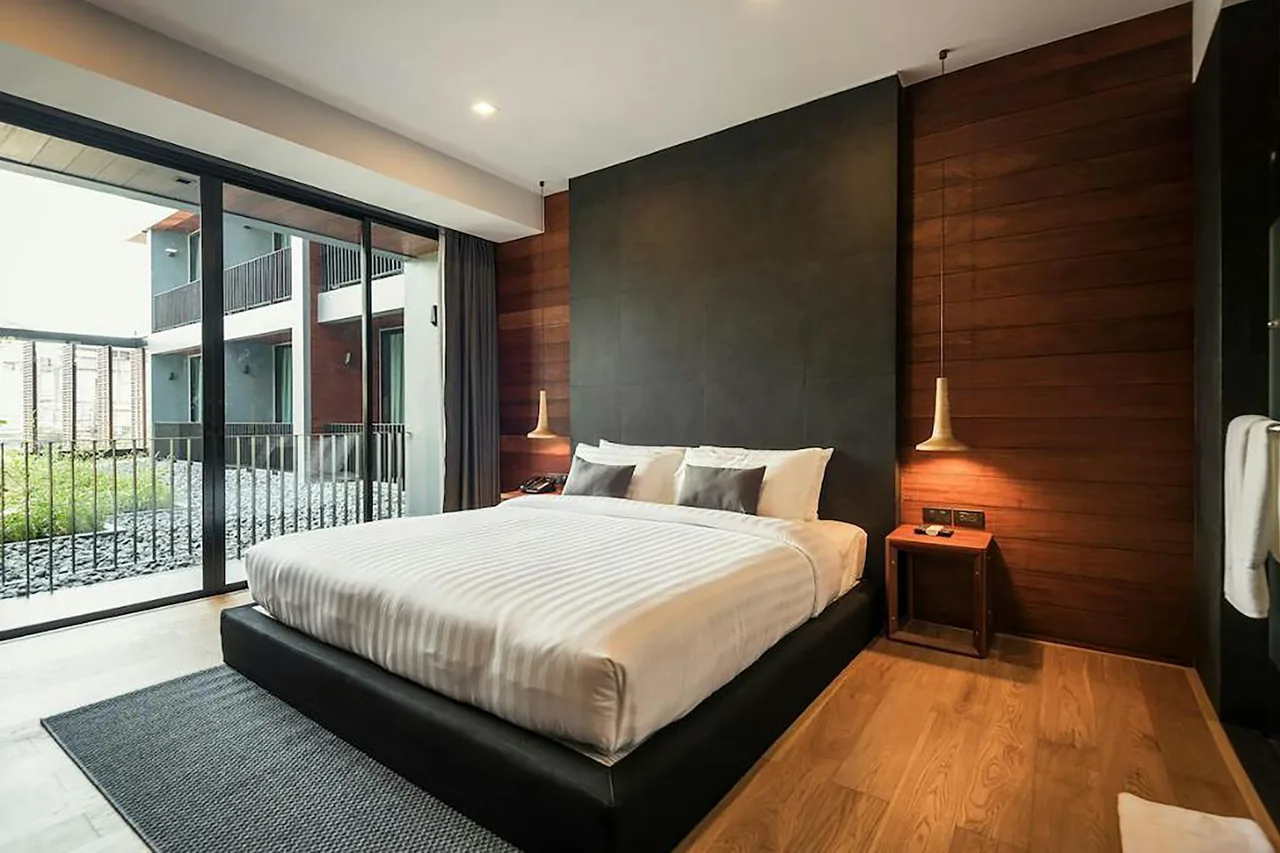
Cost, Lifespan, and Installation Differences Compared
Beyond the spec sheet, the two materials diverge sharply on what they cost over time, how long they last, and how they go down — and those differences often matter more to the decision than any single number.
| Dimension | Hardwood | Luxury Vinyl | What it means for you |
|---|---|---|---|
| Relative upfront cost | $$$–$$$$ (species + method drive it) | $–$$$ (wear layer + core drive it) | Vinyl is cheaper to buy and install today |
| Lifetime cost | Lower per decade if refinished and kept dry | Higher per decade if replaced every cycle | Wood can win the long game in the right room |
| Expected lifespan | Decades to 50+ years (refinishable) | 15–25 years typical before replacement | Wood lasts longer; vinyl is replaced, not renewed |
| Renewability | Sand and re-coat 5–7× (solid) | None — replace worn planks | Only wood can be brought back to new |
| Install method | Nail-, staple-, or glue-down; skilled labor | Floating click-lock or glue-down; faster | Vinyl's install is quicker and less specialized |
| Install time (typical room) | Longer — plus acclimation and any site finishing | Shorter — often a floating floor in a day | Vinyl minimizes disruption and downtime |
| Subfloor demands | Nailable wood, or a prepped slab for glue-down | Any flat, dry, sound subfloor | Vinyl tolerates more substrate types |
| Prep sensitivity | High — moisture and flatness gate the install | Moderate — flatness still matters, moisture less so | Both need subfloor prep, wood more strictly |
The honest takeaway is that vinyl almost always costs less to install and wood almost always lasts longer — so the real comparison is upfront savings against lifetime value in a room each can actually survive. No dollar figure here substitutes for an on-site quote; compare what moves each price in the cost guides and run your own room through the the cost estimator before you read a bid.
Why the Installation Method Changes the Math
Hardwood's install is skilled and slower because the method — nail-down over wood, glue-down over a prepped slab — is exacting, and solid wood must acclimate on site before a board goes down. Vinyl's floating click-lock needs a flat subfloor and an expansion gap but no fasteners or adhesive across the field, which is why it finishes faster and costs less in labor. That labor gap is a real part of the price difference, not a rounding error, and it is why a vinyl floor can be walked on the same day while a site-finished wood floor needs cure time.
The Prep Both Floors Still Share
Neither floor escapes flatness. Both want the substrate within the NWFA tolerance of 3/16" over 10 ft, because a floating vinyl floor telegraphs a wavy slab as hollow spots just as a nailed wood floor does. Where they part is moisture: wood demands a passing slab or wood-subfloor reading before install, while rigid-core vinyl tolerates the damp slab that would ruin wood. That single divergence — shared flatness, unshared moisture tolerance — is the mechanical reason vinyl owns the wet and below-grade rooms.
Which Floor Fits Your Room? A Decision Tree
The choice is not a preference poll — it is the output of a short chain of facts about the room, the subfloor, and the household. Walk it in order; each branch eliminates one material where it cannot succeed, and what survives is the defensible pick.
- Can the room get wet, or is the subfloor below grade? If it is a kitchen, bath, laundry, mudroom, or basement — or on-grade concrete — choose vinyl. Solid wood is ruled out by moisture before anything else is weighed, and this single branch decides most wet-room projects.
- Is the room dry, above grade, and a living space? If yes, both are viable and the next branches refine it. If no, you are likely back at branch one — reconfirm the moisture and grade facts before proceeding.
- Do you want to refinish over the decades? If retaining the ability to sand, re-stain, and renew the floor matters, choose solid hardwood — it refinishes 5–7×. If you would rather replace planks than refinish a room, vinyl is simpler.
- How hard is the household on floors? Heavy pet and kid traffic favors a thick-wear-layer vinyl or, if you insist on wood, a harder species like hickory (1820 lbf) over a soft one like walnut (1010 lbf). Match the durability rating to the abuse.
- What does the budget and timeline allow? A tight budget or fast turnaround favors floating vinyl; a longer horizon with room to invest favors wood's lifetime value. If wood wins but the subfloor is a slab, engineered hardwood rated for glue-down is the bridge. Confirm the final call against the room under the flooring hub.
Run honestly, this tree returns a single material for most rooms — and a project that puts wood in a wet basement or insists on vinyl in a formal dining room is usually ignoring branch one or branch three.
Not sure which floor your room can actually carry?
Tell us about the space and we will match you with a vetted installer who tests the subfloor, names the material that fits, and puts the reasoning in a written scope — free and with no obligation.
Common Hardwood-vs-Vinyl Mistakes, Consequences, and Prevention
Most regret over this choice traces to a handful of predictable errors — picking on looks alone, ignoring the subfloor, or matching the wrong grade to the room. Naming them is how you avoid buying a floor that fails where it sits.
| Mistake | What it causes | The prevention |
|---|---|---|
| Putting solid wood in a wet or below-grade room | Cupping, gapping, staining, mold, and a voided warranty | Use vinyl or a below-grade-rated engineered product where moisture is a risk |
| Choosing on appearance, ignoring the subfloor | A beautiful floor that fails because the substrate could not carry it | Test moisture and grade first; let the subfloor narrow the material |
| Buying thin-wear-layer vinyl for heavy traffic | The printed pattern wears through in high-use paths within years | Spec 12–20 mil wear layer for busy homes, pets, and entries |
| Choosing a soft wood species for an active home | Dents and scratches show quickly on low-Janka species | Match Janka to traffic — harder species like oak or hickory for busy rooms |
| Skipping the expansion gap on floating vinyl | Peaking and buckling when the floor expands with heat | Leave a continuous perimeter gap; it is hidden under trim |
| Expecting to refinish vinyl later | Disappointment — vinyl cannot be sanded; worn floors are replaced | Choose wood if renewability matters; accept replacement with vinyl |
| Nailing or floating over an unflat substrate | Hollow spots, squeaks, and rocking planks in either material | Correct flatness to 3/16" over 10 ft during prep, either way |
Every row is a decision made before the floor is ordered — which is why the most valuable line in a quote is the one confirming the installer tested the subfloor and matched the material to the room, in writing.
How Durability Is Actually Rated — Janka vs. Wear Layer
The two materials are graded on entirely different scales, and comparing them means understanding what each number predicts. A floor bought on looks alone ignores the one figure that forecasts how it will survive the room.
Hardwood: The Janka Hardness Scale
Janka hardness measures the pounds-force needed to embed a steel ball halfway into a wood species, and it predicts dent and scratch resistance. It is the number that tells you whether a species can take a busy household — and it varies enormously across the woods sold as flooring.
Where Common Species Land
Domestic red oak sits near 1290 lbf and white oak near 1360 lbf — the benchmark most floors are compared against. Hard maple reaches 1450 lbf, and a hard hickory species tops the domestic list near 1820 lbf, making it the pick for high-traffic and active homes. At the softer end, American walnut reads about 1010 lbf and shows wear sooner, which is why it belongs in lower-traffic, adult-oriented rooms.
What Janka Does Not Tell You
Janka predicts dent resistance, not finish durability — a hard species with a worn finish still looks tired, and a softer species with a factory aluminum-oxide finish resists surface scratching better than its hardness alone suggests. It also says nothing about moisture behavior, which is a separate, decisive limitation for wood. Read Janka as one input among several, not the whole verdict, and weigh it against the finish choice under prefinished vs. unfinished hardwood.
Matching Janka to the Room's Traffic
The practical use of the number is to pair species to abuse: an entry, hallway, or pet-heavy room wants a harder species near or above oak's 1290 lbf, while an adult bedroom or formal dining room can carry a softer, richer wood like walnut at 1010 lbf without showing wear. That matching is the same logic a thick-mil vinyl uses in the same rooms — hardness matched to traffic — which is why the two materials converge on the same principle from opposite scales.
Vinyl: The Wear Layer in Mils
Vinyl durability lives in the wear layer — the clear top film measured in mil (thousandths of an inch) that protects the printed pattern from traffic. The thicker it is, the longer the image survives underfoot, and it is the single spec that separates a floor that lasts from one that scuffs through in a hallway.
Reading the Mil Rating for the Room
A 6 mil wear layer suits light residential use — a guest room or a low-traffic space. 12 mil handles a normal busy household, and 20 mil stands up to heavy traffic, pets, and light commercial use. Under the wear layer, the core matters too: a rigid SPC or WPC core is what makes the plank 100% waterproof and dimensionally stable, which is the property that lets vinyl go where wood cannot. Match the mil to the traffic the way you would match Janka to it — see rigid-core luxury vinyl.
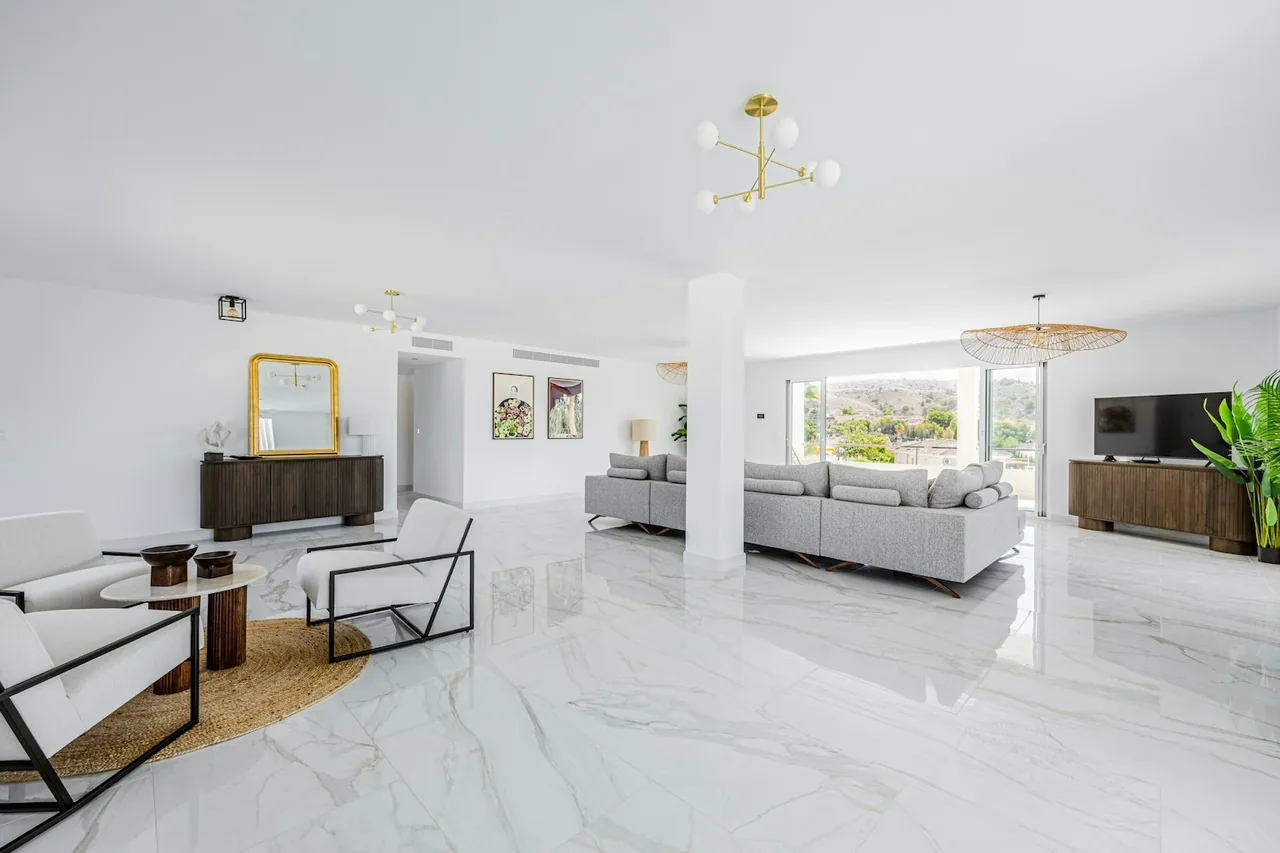
The Water Divide: The Difference That Decides Most Rooms
If one factor overrides all others in this comparison, it is how each material meets water — because that single behavior sorts the two into the rooms they own and the rooms they must never see.
How Hardwood Responds to Moisture
Wood is hygroscopic: it absorbs and releases moisture with its surroundings, swelling when wet and shrinking when dry. Standing water, a damp slab, or a humid basement drives the board's underside to absorb more than its top, and the result is cupping — edges rising above the center. Prolonged exposure adds staining and, eventually, rot. This is not a defect to engineer around in a wet room; it is the material's nature, and it is why solid wood is barred from below grade and full wet areas. Where wood does get wet occasionally, prompt cleanup and stable humidity keep it in bounds — a manageable caveat in a dry living room, a losing battle in a bathroom.
How Vinyl Responds to Moisture
Rigid-core vinyl does not care. A SPC or WPC core will not swell when wet, the wear layer sheds spills, and sealed click joints keep water off the subfloor. That immunity is why the same plank works in a a kitchen floor, a bathroom, and a a below-grade basement — rooms that would destroy wood. The caveat is smaller and different: a below-grade slab still needs a flatness check and, per the product, sometimes a moisture reading for the adhesive on glued installs, but the flooring itself is not at risk from the water the way wood is. For the rooms that flood, that is the whole ballgame.
Hardwood vs. Vinyl Glossary
The terms below recur across spec sheets, quotes, and warranties for both materials — each defined as its working meaning on a real job, so you can read a bid and judge whether it matches the room.
- Janka hardness
- The pounds-force needed to embed a steel ball halfway into a wood species — the dent-resistance rating that predicts how a hardwood survives a busy room. Red oak sits near 1290 lbf.
- Wear layer
- The clear protective film on top of luxury vinyl, measured in mil, that shields the printed pattern from traffic. 12–20 mil for heavy use.
- Mil
- One thousandth of an inch — the unit for a vinyl wear layer. Not the same as millimeters; a higher mil means a thicker, longer-lasting top layer.
- SPC core
- SPC — a rigid stone-plastic composite core that makes a vinyl plank waterproof, dense, and dimensionally stable, so it can go below grade and in wet rooms.
- WPC core
- WPC — a rigid wood-plastic composite core, slightly softer and warmer underfoot than SPC, also 100% waterproof.
- Solid hardwood
- One solid piece of wood, typically 3/4" thick, nailed to a wood subfloor and refinishable 5–7 times; moisture-sensitive and not for below grade.
- Engineered hardwood
- A real-wood veneer bonded over a cross-ply core for dimensional stability — more humidity-tolerant than solid, refinishable 1–3 times, and often below-grade rated.
- Cupping
- A concave board profile where the edges rise above the center, caused by the underside absorbing more moisture than the top — the signature moisture failure of wood.
- Floating floor
- A floor that connects plank-to-plank and rests on the substrate over a pad rather than fastening to it. Most luxury vinyl installs this way and depends on a perimeter expansion gap.
- Expansion gap
- The deliberate space left around a floating floor's perimeter so it can expand with heat and humidity without peaking; hidden under trim.
- Acclimation
- Letting flooring sit in the conditioned space until its moisture content reaches equilibrium with the home, so it stops moving after install — critical for solid wood.
- Refinishing
- Sanding a wood floor back to bare and re-coating it to erase wear or change color — the renewal only wood allows, and never vinyl.
A Real Hardwood-vs-Vinyl Decision
One representative scenario shows how the room, not the preference, drives the call — and how the same homeowner can correctly choose both materials in one house.
How to Vet an Installer for Either Floor
Whichever material wins your room, the installer decides whether it lasts — most floor failures are install failures. These questions separate a crew that builds a floor to survive from one that simply lays product fast.
- They test the subfloor before recommending a material
- An installer who names hardwood or vinyl without testing moisture and grade is guessing. Ask what they check on concrete and what limit governs — a real answer names ASTM F2170 and a percentage, and it may rule out the material you walked in wanting.
- They match the spec to the room, not the room to the spec
- Ask why they would put this species or this wear layer here. A credible answer ties Janka or mil to the room's traffic and moisture, and steers wood out of wet and below-grade spaces without being pushed.
- They correct flatness for whichever floor you choose
- Both a nailed wood floor and a floating vinyl floor need the substrate flat to 3/16" over 10 ft. Ask how they hit it — grinding and self-leveling, not rolling the new floor over what is already there.
- They install to the manufacturer's instructions, in writing
- Acclimation for wood, expansion gap for floating vinyl, approved underlayment and fastener or adhesive spec — these protect the warranty. A professional puts that commitment in the quote for either material.
- They price prep, removal, and transitions as separate lines
- Ask whether old-floor removal, disposal, subfloor leveling, and transitions are itemized. A headline per-square-foot rate that hides those is where a low bid makes up the difference later.
- They stand behind the labor, not just the product
- Ask for the workmanship warranty in writing and whether they return if a wood board cups or a vinyl seam lifts. A crew that names a labor guarantee is accountable for the install — the part the manufacturer's product warranty never covers.
Get a spec-matched recommendation
Tell us your surface, room, and goals — free, independent guidance and a vetted installer, nationwide.
Beyond the Two: When Neither Is the Answer
Hardwood and vinyl cover most rooms, but the honest comparison admits the cases where a third material fits better — and a good authority names them rather than forcing the pair.
When Tile Beats Both
In a full wet room, a heavy-traffic entry, or anywhere you want a hard, cold-tolerant, genuinely permanent surface, tile outperforms both — porcelain absorbs less than 0.5% water and carries a PEI IV–V floor rating that neither wood nor vinyl matches for hardness. The trade is a harder, colder floor and a slower, more specialized install; weigh it directly in the tile vs. luxury vinyl plank guide.
When Laminate or Carpet Fits Instead
For a wood look at the lowest cost in a dry room, laminate competes with vinyl on price while offering a harder surface — compared head to head in the laminate vs. vinyl guide. For a bedroom where warmth and quiet outrank durability, carpet beats both on comfort. And within hardwood itself, the choice between solid and engineered is its own decision — laid out in the engineered vs. solid hardwood guide.
Why Compare Your Flooring Through Pro Work Home Surface
Pro Work Home Surface is not a contractor and does not sell you flooring — we are a national authority on home surfaces that matches homeowners with vetted local installers and holds them to a published bar. On a hardwood-versus-vinyl decision, that means an unbiased read on which material your room can actually carry, from someone with no product to move.
- A free consultation and an itemized written scope
- Every connection starts with a no-obligation consult and a written quote that lines out prep, removal, transitions, and material separately — so you compare the whole job, not a headline rate.
- A subfloor-first standard, applied before we connect you
- Installers are screened on whether they test moisture and grade and match the material to the room — the checks that decide whether wood or vinyl succeeds where it sits.
- An unbiased material recommendation
- Because we sell no flooring, the guidance is which surface fits your room and budget — including the honest cases where tile, laminate, or carpet beats both.
- National coverage, local crews
- We match you with installers in your area nationwide, so the standard is consistent even though the crew is local — whether the project is one room or a whole home across several materials.
Flooring is one of eight categories we cover across home surfaces. Dig into the how-and-why in our learning center, compare what moves each price in our cost guides, line the materials up spec-for-spec with the material comparison tool, check documented lifespans in our material data, and start from the flooring category hub or the full range of home surfaces.