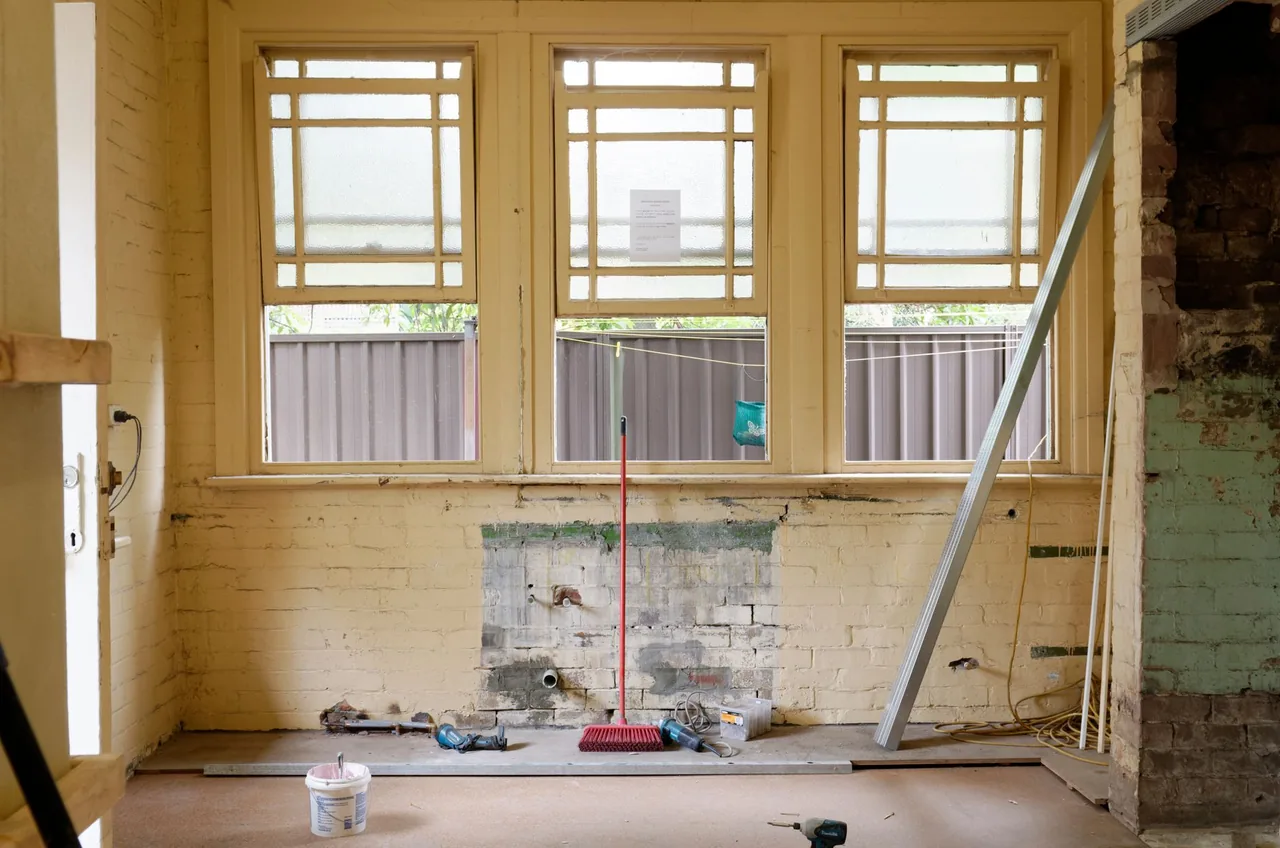
Wall repair is the diagnostic process of finding why a wall failed, fixing that cause, then restoring the surface so the patch is invisible and stays put. Two facts decide whether a repair lasts, and the patching compound everyone watches go on matters least to both: whether the underlying cause was found before the patch, and whether the repair was tied back into sound material rather than floated over the failure. Find the leak before you patch the stain, understand the movement before you fill the crack, and almost any repair holds; skip the diagnosis and you are repainting the same failure every year. Get a free consultation and a written, itemized scope from a vetted repair pro before the first skim coat — that document is where a repair that stays gone is decided.
Wall Repair Is a Diagnosis Job First, a Patch Job Second
The smooth patch everyone inspects matters least to whether the repair lasts. What separates a fix that disappears for good from one that telegraphs back in a season is the diagnosis done before any compound is mixed.
The Cause Decides Whether the Patch Holds
The cause dictates whether a repair is permanent; the patch only decides how it looks until the cause returns, so a credible repair pro diagnoses before quoting:
- A water stain patched without finding the leak bleeds back through the new paint within weeks.
- A crack filled without addressing the movement behind it reopens with the first seasonal swing.
- A popped nail covered without resetting the fastener domes back out as the framing moves again.
None of those are patch failures — they are diagnosis failures, the most common reason a repaired wall fails twice.
The Order of Operations Never Changes Across Damage
Diagnose, fix the cause, then patch. That sequence holds whether the damage is a hole, a crack, a water stain, a fastener pop, or failed tape. The diagnostic work is always the same: identify the failure mode, trace it to its source, confirm the source is dead before closing the wall, cut back to sound material, then rebuild the surface in layers and blend the texture to match. The cosmetic patch happens inside those facts, not before them — which is the difference between repair and a recurring callback that a fresh wall install would have avoided if built right.
The Wall Damage Triage: Six Checks Before Any Patch Goes On
Before a wall is patched, a competent repair pro runs the damage through the same six-check triage. Each check isolates a cause, each is a documented reason patches fail when skipped, and damage that fails any one is not ready to close. Call it the Wall Damage Triage: clear all six and the repair has a foundation to last; skip one and you are patching a symptom over a live cause.
- 1. Failure mode identified
- The damage is read for what it actually is — impact hole, settlement crack, water stain, fastener pop, popped tape, or corner-bead dent — because each has a different cause and a different repair. A pro who patches every mark the same way is treating symptoms; the mode tells you whether you are fixing drywall or chasing a leak behind it.
- 2. Moisture source found and dead
- Any stain, soft spot, or bubbling is traced to its source — a roof, plumbing, flashing, or condensation problem — and confirmed fixed and dry before the wall closes. A moisture meter reads whether the surrounding board is still wet. Patching over a live leak is the single most common reason a repaired stain comes back, and the most expensive lesson to learn twice.
- 3. Cause of cracking diagnosed
- A crack is read for whether it is cosmetic shrinkage, a seam under movement, a settlement line, or structural. Hairlines at a window corner behave differently from a stair-step crack signaling foundation movement; the diagnosis decides whether the fix is tape and compound or a call to a structural pro before any cosmetic repair.
- 4. Substrate soundness confirmed
- The board and framing around the damage are checked for water rot, crumbling gypsum, and loose or compromised fasteners. Repair must tie into sound material — a patch anchored to soft, water-damaged board fails with the board it is attached to, so the damaged section is cut back to solid drywall and solid framing first.
- 5. Repair method matched to damage
- The fix is sized to the failure — spackle for a nail hole, mesh or a self-adhesive patch for a small hole, a backed drywall patch for a larger one, and a cut-and-replace section where the board is gone. Over-patching a tiny hole wastes effort; under-patching a large one leaves a weak spot that telegraphs and cracks at its edges.
- 6. Texture and finish match planned
- How the repair will disappear into the existing wall is decided before patching — matching the surrounding texture (orange peel, knockdown, skim) and the finish level, then priming the patch so it does not flash under paint. An invisible repair is a texture-and-blend problem as much as a structural one; the most technically sound patch still shows if the texture and sheen do not match.
Three of these six — finding the moisture source, diagnosing the crack, and confirming substrate soundness — are the checks a cheap repair skips, because they take time before the satisfying part, yet every one decides whether the patch is permanent. That is why the triage is non-negotiable.
Want the cause found before the wall gets patched?
We match you with a vetted repair pro who diagnoses the failure, confirms the source is dead, and puts the fix in a written scope — so you pay to repair the cause, not to repaint the symptom.
Wall Repair Standards & Specifications
A durable repair is held to the same published practice as new work — from the controlling spec for patching and finishing, through the tape that reinforces a seam, to the finish level a patch must match to disappear.
The Controlling Standard: ASTM C840 and GA-216
Drywall repair is governed by the same recognized practice as installation, because a patch is a small install, which is why a credible scope cites the standard the work follows. How it applies depends on the damage and the surrounding wall.
Patching and Finishing Practice
ASTM C840 and the Gypsum Association's GA-216 define how gypsum is fastened, taped, and finished — and a repair that holds is taped, coated, and feathered to the same rules. The manufacturer's compound instructions sit on top of them. A patch fastened, taped, and finished to spec ties into the wall as one surface; one floated over the damage without that discipline reads as a patch forever.
Reinforcing Tape on a Repair
Any flat seam or filled crack in a repair is reinforced with tape, never compound alone, because compound has no tensile strength and cracks on its own. Paper tape bedded in compound resists cracking best on flat and butt seams; self-adhesive fiberglass mesh tape is faster and is standard for small holes and patch perimeters. A crack filled with compound and no tape is the textbook reason it reopens at the same line.
Matching the Existing Finish Level
A repair is finished to the level of the wall around it, defined by GA-214's Levels 0–5. A patch on a Level 5 wall under raking light needs a wider skim and feather than the same patch on a textured Level 4 wall, because the smoother and glossier the surrounding surface, the more a proud or sunken patch shows. Matching the level is what makes the repair vanish; missing it is why a structurally fine patch still catches the eye.
Reinforcing Tape, by Repair Type
The tape is chosen for the repair, not by habit. Paper tape carries the strongest flat-seam and inside-corner repairs; mesh tape speeds small holes and patch edges; a peel-and-stick metal or composite patch bridges a fist-sized hole. Match the reinforcement to the size and stress of the damage, or the repair fails where it was weakest.
Substrate Moisture Before Closing
Before any water-related repair is closed, the surrounding board is read with a moisture meter and must be dry, and the source must be confirmed dead. Patching over board that still reads wet seals moisture into the wall, where it keeps feeding the stain and growing mold behind the new finish. Dry first, then patch — the order that separates a permanent repair from a recurring one.
Repair Thresholds, by Damage Type
The table below collects the recognized practices a competent repair pro verifies. These are representative figures — the printed instructions for your compound and the damage in front of you always govern, and where the wall is structural or persistently wet, the call escalates beyond cosmetic repair.
| Damage type | Likely cause | Recognized practice | Repair approach |
|---|---|---|---|
| Nail / screw hole | Hanging hardware, fastener pop | Spackle / compound, sand, prime | Fill, optionally reset the fastener |
| Small hole (under a fist) | Door knob, impact | Mesh or self-adhesive patch | Patch, two coats, feather, blend |
| Large hole / damaged section | Impact, water rot, demolition | ASTM C840 cut-and-replace | Cut to studs, backer, new board, tape |
| Seam / hairline crack | Movement, shrinkage, bad tape | Paper tape bedded in compound | Cut out, re-tape, three-coat, feather |
| Water stain / soft spot | Roof, plumbing, condensation | Find source, dry, then patch | Fix leak, replace wet board, seal |
| Popped tape / fastener | Framing movement, poor install | Reset, re-tape, recoat | Refasten, replace tape, three-coat |
The lesson is that the same surface mark can have very different causes — and the right repair is chosen by the cause, not the appearance. A stair-step crack or a stain that keeps returning may signal a structural or moisture problem beyond drywall; those constraints overlap with overhead damage covered under ceiling repair. Size the job against the category in our cost guides first.
Wall Damage Types and Their Repairs Compared
What the repair requires is dictated by the damage, because each failure mode has a fix it needs and a fix that wastes effort or fails. There are several mainstream damage types, and the right repair is chosen by cause and severity — never by which patch is fastest to smear on.
The Damage-to-Repair Matrix
The matrix below is the decision the repair pro is making — cause, severity, the method it calls for, and whether it is cosmetic or hides a deeper problem, side by side.
| Damage | Typical cause | Severity | Method | Reinforcement | Watch for |
|---|---|---|---|---|---|
| Nail holes & dings | Décor, minor knocks | Cosmetic | Fill, sand, prime, paint | None needed | Recurring pops = framing |
| Doorknob / small hole | Impact, no door stop | Localized | Self-adhesive patch + mud | Mesh patch | Add a stop to prevent repeat |
| Large hole / soft board | Impact, water rot | Structural to the panel | Cut-and-replace section | Backer + paper tape | Check framing behind it |
| Cracks at openings | Movement, shrinkage | Cosmetic to telling | Re-tape, three-coat | Paper tape | Stair-step crack = structural |
| Water stains | Leak, condensation | Symptom of a cause | Fix source, replace, seal | As the patch needs | Never patch while wet |
Holes: From Nail Pops to Cut-and-Replace
Hole repairs scale with size. A nail hole or small ding fills with spackle, sands flush, and primes. A fist-sized hole gets a self-adhesive mesh or metal patch bridged with two coats of compound and feathered out. Anything larger — or where the board is soft, rotted, or gone — is cut back to the studs, backed, and replaced with new board taped into the field. Under-patching a large hole leaves an unsupported span that cracks at its edges; the method has to match the size, not the convenience.
Cracks: Cosmetic, Moving, and Structural
Not every crack is equal. A hairline from compound shrinkage is cosmetic and re-tapes easily. A crack that reopens at a seam is a movement problem the repair must address by relocating or control-jointing, not just refilling. A stair-step crack — running diagonally in a stepped pattern, often at a corner — can signal settlement or foundation movement, and the responsible move is to diagnose the structure before any cosmetic repair, because patching it hides a problem that keeps growing.
Water Damage: A Symptom, Never the Job
A water stain is the visible end of a hidden problem, so the repair is mostly upstream. The source — roof, plumbing, flashing, or condensation — is found and fixed, the wet board is dried or replaced, and only then is the surface sealed with a stain-blocking primer and refinished. Skipping the source means the stain bleeds back and mold grows behind the patch; the wet board, not the stain, is the real damage. Persistent moisture is a building-envelope problem, not a paint one.
Which Wall Repair Does Your Damage Actually Need?
The repair is not a guess — it is the output of a short chain of facts about the damage, its cause, and the board behind it. Walk the decision in order; each branch eliminates the fixes the damage does not need, and what survives is the right call.
- Identify the failure mode. Is it a hole, a crack, a water stain, or a popped fastener or tape? This single fact removes whole methods immediately — a water stain is a leak problem first, not a patching problem, and that changes everything that follows.
- For any moisture sign, find and kill the source first. If there is a stain, soft spot, or bubbling, trace it to the leak or condensation cause and confirm it is fixed and dry with a moisture meter before touching the surface. If the board is still wet or the source is live, no patch is correct yet.
- For cracks, diagnose movement vs. structure. A cosmetic hairline re-tapes. A recurring seam crack needs the movement addressed. A stair-step or widening crack points to settlement and a structural assessment before any cosmetic repair — this branch decides whether you call a finisher or an engineer.
- Match the method to the size and soundness. Nail holes fill; small holes get a patch; large holes or soft, rotted board get cut back to sound drywall and framing and replaced. Confirm the surrounding board and fasteners are solid before anchoring anything to them. Compare repair against replacement under the walls hub.
- Plan the texture and finish match before patching. Whatever the surviving method, the repair still has to disappear — match the surrounding texture and finish level, then prime so it does not flash. If you cannot match the texture, the patch will show no matter how sound it is.
Run honestly, this tree separates a five-minute fill from a wall that needs a leak found or a structure checked — and a repair pro who patches everything the same way, wet or dry, cracked or holed, is the red flag.
Not sure if it's a quick patch or a deeper problem?
Tell us what the damage looks like and we will match a vetted repair pro who diagnoses the cause, tells you straight whether it's cosmetic or structural, and puts the fix in writing.

Why Patches Telegraph, Crack, and Bleed Back — and How the Repair Stops It
The most common repair failures trace back to a skipped diagnosis, the wrong reinforcement, or a finish that does not match, and all are preventable — each paired below with its mechanism, cause, and named prevention.
The Stain That Bleeds Back: A Source Never Fixed
A patched water stain that reappears means the moisture source was never killed — the leak still drips, or condensation still wets the board behind the new paint, so the stain bleeds through again. It is a diagnosis failure, not a primer failure. The prevention is upstream: trace and fix the roof, plumbing, or condensation cause, dry or replace the wet board, confirm dryness with a meter, then seal with a stain-blocking primer.
The Crack That Reopens: Movement the Patch Ignored
A refilled crack that returns at the same line is sitting on movement the repair ignored — a seam over a header, a twisting stud, or settlement. Compound cannot stretch across a moving joint, so it splits again. The prevention is to address the movement, not just the gap: re-tape with paper tape bedded in compound, add a control joint on a long run, and where the crack is structural, fix the structure before the surface.
The Patch That Telegraphs: A Finish-Level Mismatch
A structurally sound patch that still catches the eye is a texture-and-level problem — the repair sits proud or sunken, or its texture and sheen do not match the wall around it, so light reveals it. The prevention is matching the finish: feather the compound wide, match the surrounding texture and the finish level, and prime the patch so it absorbs paint like the field instead of flashing.
The Patch That Fails With the Board: Anchored to Soft Material
The most frustrating failure — a fresh patch crumbling or loosening — happens when it was anchored to water-damaged or unsound board, so it fails with the material it was attached to. The prevention, caught at the triage, is to cut back to solid drywall and solid framing before patching. If the board and framing are widely compromised, the path is to cut out the section and re-board it rather than patch over rot.
Common Wall Repair Mistakes, Consequences, and Prevention
Most repair failures are the same handful of shortcuts, each with a predictable consequence and a known prevention. Naming them is how you spot a corner being cut before the patch fails twice.
| Mistake | What it causes | The prevention |
|---|---|---|
| Patching a stain without finding the leak | The stain bleeds back and mold grows behind the patch | Trace and kill the source, dry the board, then seal |
| Filling a crack with compound, no tape | The crack reopens at the same line | Re-tape with paper tape bedded in compound |
| Anchoring a patch to soft, wet board | The patch fails with the board it is attached to | Cut back to solid drywall and framing first |
| Skim-coating without priming the patch | The repair flashes a different sheen under paint | Prime the patch so it absorbs paint like the field |
| Ignoring a stair-step crack | A structural problem keeps growing behind a cosmetic patch | Diagnose the structure before any cosmetic repair |
| Under-feathering a patch on a smooth wall | A proud or sunken patch shows under raking light | Feather wide and match the GA-214 finish level |
| Mismatching the surrounding texture | A clean patch reads as an obvious repair | Match the existing texture before painting |
Every row is a documented callback trigger — which is why "we find the cause and match the finish, in writing" is the most valuable sentence in a repair quote.
Repair, Patch, or Replace — and the Finish the Wall Demands
The right scope is matched to how much of the wall failed and why, and every repair carries a finish requirement that decides whether it disappears — which is why patching what should be replaced, or replacing what a patch would fix, both waste money.
Scope Categories and What Each Demands
Each level of damage makes a different demand on the repair and the finish that follows — match the scope to the damage, not to the cheapest first move.
- Spot repair handles nail holes, dings, and hairlines: fill, sand, prime, and touch-up paint, with no reinforcement needed on the smallest fixes.
- Patch repair bridges small-to-medium holes with a mesh or backed patch and two to three coats of compound feathered into the field, then texture-matched and primed.
- Section replacement cuts out rotted, holed, or widely cracked board back to the studs, installs new board taped into the surrounding wall, and finishes it to the existing level — the same discipline as a fresh wall install, scoped to the damaged area.
- Cause repair is the upstream work a stain or recurring crack demands — fixing the leak, condensation, or movement before any surface repair, often coordinated with another trade.
- Refinish after repair brings the patched area up to the surrounding finish level and texture so the repair vanishes rather than merely closing the hole.
Matching the Repair to the Wall
Room context shapes the call. A repair on a high-traffic hall wall benefits from a more durable patch and impact-resistant thinking; a repair on a living-room wall under big windows demands a wider feather and an exact texture match because the light is unforgiving; a bedroom wall is more forgiving. Match the repair scope to the damage first, then the finish to the room. To weigh repair against a fresh surface, the material comparison tool helps frame it.

What Actually Drives the Cost of a Wall Repair
A repair quote is not a flat per-hole rate; the headline number a low bid leads with hides the items below, ranked by how much they move the total.
The Cost Drivers That Move the Total Most
- Cause vs. cosmetic. The biggest swing by far. A surface patch is cheap; fixing the leak, condensation, or structural movement behind it — often with another trade — is the real cost, and the line a cheap bid leaves out by patching the symptom.
- Extent of damaged board. A nail hole is minutes; a wall of water-rotted board cut back to the studs and rebuilt is hours of demolition, new material, and taping. The square footage of unsound board, not the visible mark, drives the labor.
- Finish-level and texture matching. Making the repair disappear into a Level 5 wall or a specific knockdown texture is skilled, slow work — far more than closing the hole, and what a low bid underprices into a visible patch.
- Access and height. Repairs on tall walls, stairwells, or behind fixtures need staging or removal and reset, adding labor a reachable patch does not.
- Hidden conditions on open-up. Cutting into a wall often reveals more rot, mold, or compromised framing than the surface showed — which is why a scope that names what happens if more is found protects you from a mid-job surprise.
- Paint and blending. A repair rarely ends at the patch — priming, repainting the wall or corner-to-corner to avoid a flashed touch-up, and matching sheen are real line items on a finished result.
Because these drivers swing so widely, the only honest number comes from seeing the damage. Compare what moves the price across the category in our cost guides so you can read a repair quote critically and tell a cause fix from a cosmetic one.
Get an itemized scope, not a headline patch price.
A vetted repair pro prices the cause fix, the board replacement, and the finish match as separate lines — so you see whether you're paying to repair the problem or just hide it, free and with no obligation.
The Wall Repair Process, Step by Step
A professional repair runs the same disciplined sequence every time, and each step exists to prevent a specific failure. The six steps below are the full arc from diagnosis to final blend.
Diagnose the Damage and Its Cause
The pro reads the failure mode, traces any moisture to its source, reads cracks for movement versus structure, and checks the surrounding board and framing for soundness. Scope is decided here against the triage — not by the look of the mark — before any compound is mixed or the wall is closed.
Fix the Cause and Confirm It's Dead
The underlying problem is corrected first — the leak or condensation killed and the board confirmed dry with a moisture meter, the movement addressed, or a structural issue escalated. Nothing cosmetic happens over a live cause, because a patch over a working leak fails by definition.
Cut Back to Sound Material
Damaged, soft, or rotted board is cut out to solid drywall and solid framing, loose or compromised fasteners are reset, and backing is added where a patch needs support. Repair ties into sound material, never floats over the failure.
Patch and Reinforce to Spec
The fix is sized to the damage — spackle for holes, a mesh or backed patch for openings, or new board taped in for a section — with paper tape bedded in compound on flat seams and mesh where it belongs, fastened and finished to ASTM C840 practice.
Build Coats and Feather the Finish
Compound goes on in successive coats, each sanded and feathered wider than the last, until the repair sits flush and the transition to the field is invisible — brought up to the wall's existing finish level, wider on smooth and glossy walls where raking light is unforgiving.
Match Texture, Prime, and Paint
The surrounding texture is matched over the patch, the repair is primed so it absorbs paint like the field, and the area is painted — often corner-to-corner or wall-to-break — so the sheen blends and the repair disappears rather than flashing as a touch-up.
Skip or rush any one of these six steps and the failure it was meant to prevent shows up later — which is why a vetted repair pro treats the sequence as fixed, not optional.
Talk through your project — free.
A free consultation and a written, itemized quote from a vetted installer. No pressure, no obligation.
Wall Repair Glossary
The terms below recur in every repair quote and scope — each defined as its working meaning on an actual job site, so you can read a scope and judge whether it addresses the cause or only the symptom.
- Joint compound (mud)
- The gypsum-based paste used to fill, tape, and coat repairs — applied in successive coats and sanded between them; it has no tensile strength alone, which is why seams need tape.
- Spackle
- A lightweight filler for small nail holes and dings that dries fast and sands easily — distinct from joint compound, which carries taped seams and larger patches.
- Mesh tape
- Self-adhesive fiberglass tape that sticks directly to the wall, fast for small holes and patch perimeters; it has some stretch, which is why paper tape is preferred on flat seams that must not crack.
- Paper tape
- Non-stretch paper tape bedded in a layer of compound, the strongest reinforcement for flat and butt seams and the only one that folds cleanly into an inside corner.
- Feathering
- Spreading each compound coat wider than the last and sanding it to nothing at the edges, so the repair blends into the flat plane of the wall with no visible ridge.
- Stair-step crack
- A diagonal crack running in a stepped pattern, often at a corner or opening, that can signal foundation or settlement movement and warrants a structural look before any cosmetic repair.
- Fastener pop
- A screw or nail head pushing a dome through the finish, caused by a fastener set into torn paper or framing that shrank after install — repaired by resetting, not just refilling over it.
- Flashing
- When a patch absorbs paint differently than the wall around it and shows as a different sheen — prevented by priming the repair before the topcoat.
- Stain-blocking primer
- A sealing primer that locks a dried water or smoke stain so it cannot bleed through the new paint — used only after the moisture source is found and the board is dry.
- Moisture meter
- The pin or pinless tool that reads how wet the board is, used to confirm a water-damaged wall is dry before it is closed and patched.
- ASTM C840
- The standard for applying and finishing gypsum board, which a repair follows because a patch is a small install — defining fastening, taping, and joint treatment.
- GA-214
- The standard that defines drywall finish Levels 0–5 — the level a repair must match so the patch disappears into the wall around it rather than telegraphing.
Standards, Warranty Sense, and When to Call a Different Trade
A repair is governed by the same standards as new work, and most repairs that fail twice are not about the compound — they are about a cause that belonged to another trade.
What a Durable Repair Has in Common
The conditions are specific and verifiable: the cause found and fixed before the patch; reinforcement on every seam and crack; the board cut back to sound material; the finish level and texture matched; the repair primed before paint. A pro who patches over a live leak or floats a crack with no tape has built a repair that fails on schedule. Ask in writing that the work follow ASTM C840 and finish to the wall's existing GA-214 level — that commitment is what a lasting repair is judged against.
The Standards Bodies That Set the Bar
Standards bodies govern the rest. ASTM and the Gypsum Association define gypsum application, finishing, and finish levels; in wet areas, the TCNA governs the substrate and waterproofing a repair must restore. A repair built to these holds its finish and does not telegraph.
When the Cause Belongs to Another Trade
Repairs cross trade lines more than most surface work. A persistent water stain is a roofing or plumbing problem; a stair-step or widening crack is a structural and foundation question; recurring condensation is an insulation or ventilation issue. A reputable repair pro tells you when the cause is outside drywall and coordinates the fix rather than patching over it — because the most honest repair sometimes starts with "the wall isn't the problem." When damage is widespread rather than localized, the better path may be cutting out the section and re-installing new board over endless patching.
A Real Wall Repair Decision
One representative scenario shows why the cause decides everything: the source, not the stain, drove every call below.
How to Vet a Wall Repair Pro
Most repairs that fail twice are diagnosis failures, so the pro matters more than the compound on the truck. These questions separate a crew that fixes the cause from one that just smears over the symptom.
- They diagnose the cause before quoting a patch
- A pro who quotes to patch a stain without asking where the water comes from is selling you a repeat repair. Ask how they confirm a leak is dead and a wall is dry — a real answer names a moisture meter and finding the source first.
- They reinforce seams and cracks, never compound alone
- Ask how they keep a crack from reopening. A credible answer is paper tape bedded in compound and addressing the movement — not just refilling the gap, which is why it cracked before.
- They cut back to sound material
- Ask what they do with soft or water-damaged board. The right answer is cutting back to solid drywall and framing before patching — a pro who patches over rot is building a repair that fails with the board.
- They match texture and finish level, in writing
- Matching the surrounding texture, feathering to the wall's finish level, and priming before paint are what make a repair disappear — a professional commits to the finish, not just to closing the hole.
- They flag structural and cross-trade causes honestly
- Ask what they do with a stair-step crack or a recurring leak. The right pro tells you when the cause is structural, roofing, or plumbing and coordinates it rather than patching over a growing problem.
- They put the scope and finish state in writing and stand behind the work
- Ask for the full scope, what happens if more damage is found on open-up, and the labor warranty in writing before work starts. A crew willing to name a workmanship guarantee — and to return if the patch flashes or a crack reopens — is accountable for the repair, not just the compound.
Why Route Your Wall Repair Through Pro Work Home Surface
Pro Work Home Surface is not a contractor and does not patch your walls — we are a national authority on home surfaces that matches homeowners with vetted local repair pros and holds them to a published bar.
- A free consultation and an itemized written scope
- Every connection starts with a no-obligation consult and a written quote that lines out the cause fix, the board replacement, and the finish match separately — so you read the whole repair, not a headline patch price.
- A real vetting standard, applied before we connect you
- Repair pros are screened on what decides a repair's life: whether they diagnose the cause, confirm moisture is dead, cut back to sound material, and match the finish rather than floating over the failure.
- Find the cause before the patch, every time
- The failure is traced to its source and the board confirmed dry before anything closes — because a patch over a live leak or unaddressed movement is a callback, not a repair.
- National coverage, local crews
- We match you with repair pros in your area nationwide, so the standard is consistent even though the crew is local — whether it's a single doorknob hole or a wall of water damage.
Walls are one of eight categories we cover across home surfaces. If your project also touches finishing a patch to a paint-ready level, matching texture, or cutting out and re-boarding a failed section, the same standards apply — and overhead damage belongs with ceiling repair. Compare what moves the price in our cost guides, dig into the how-and-why in our learning center, weigh your options with our tools and calculators, and start from the walls category hub or the full range of home surfaces.
Brands & Material Authority
Quality and construction drive long-term performance more than the label. These are widely respected names in this category:
- James Hardie
- Metrie
- USG
- Sherwin-Williams
- Armstrong
- DPI