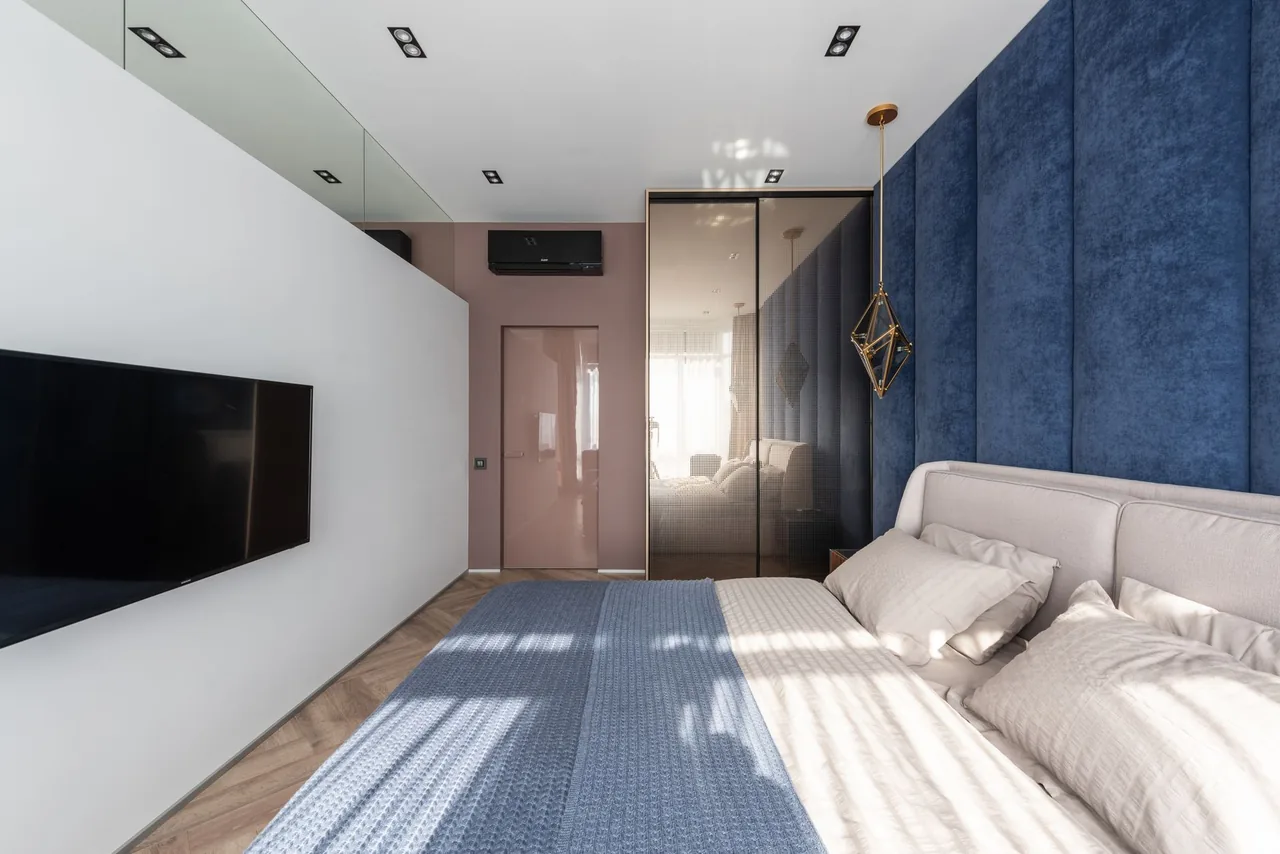
Bedroom walls have one job the rest of the house does not ask for: making a room feel quiet, warm, and calm enough to sleep in. That reframes every choice — the constraints that decide a bedroom wall are not durability or light but three sensory demands: acoustic comfort (a soft, hushed, enveloping space), visual and tactile warmth, and the low-emission air quality of the room you breathe in for eight hours a night. The highest-leverage move is almost always the wall behind the bed, where an upholstered or acoustic panel can absorb sound and add warmth at the same time — measured by a panel's NRC sound-absorption rating — finished in a low-VOC paint or a factory finish that is fully cured before you sleep in the room. Get a free consultation and a written, itemized scope from a vetted installer that names the acoustic plan, the warmth strategy, and the low-emission finishes before any panel goes up.
What Bedroom Walls Actually Demand — Quiet, Warmth, and Air You Sleep In
The bedroom is the one room designed around rest, and its walls should serve that goal rather than work against it. The demands are softer and more sensory than in a kitchen or living room, but they are just as real, and ignoring them is why some bedrooms never feel restful no matter how they are decorated.
Quiet: Sound Absorbed, Not Reflected
A bedroom benefits from sound that is absorbed rather than reflected — both noise from outside the room and the harsh, live acoustics of bare hard walls. Soft, textured, or acoustically backed wall surfaces dampen sound and make the room feel hushed; hard, flat, reflective walls make it feel echoey and exposed. This is why the materials that suit a bedroom best — fabric-wrapped panels, wood, slat walls with an acoustic backer, even the texture of wood paneling — share the trait of breaking up and softening sound. The number that predicts how much a surface absorbs is its Noise Reduction Coefficient (NRC); how much a wall blocks a neighbor's noise is a separate rating, its Sound Transmission Class (STC).
Warmth: Enveloping, Not Clinical
Warmth is the second demand — not temperature, but the visual and tactile quality that makes a room feel enveloping rather than clinical. Wood tones, soft textures, padded panels, and matte, light-absorbing finishes read as warm; cold, glossy, hard surfaces read as the opposite. A bedroom wall earns its place by adding that sense of enclosure and softness around the bed, which is why the feature wall behind the headboard is the room's highest-leverage move — it delivers warmth and quiet at the same surface.
Low-Emission Air: The Demand You Breathe
The third demand is specific to the bedroom and almost never discussed: you breathe this room's air for roughly a third of every day, with the door often closed. That makes the finishes' emissions matter more here than anywhere. Ordinary paint and some adhesives release volatile organic compounds (VOCs) — the "fresh paint" smell — as they cure, and a bedroom is the worst room to off-gas in. A low-VOC or zero-VOC paint, a formaldehyde-conscious panel and adhesive, and finishes given time to fully cure before the room is slept in are the quiet upgrade that makes a restful room also a healthy one.
Where Bedroom Walls Go Wrong — Hard, Cold, and Restless
Bedroom walls fail quietly — not with a crack or a stain, but with a room that simply never feels restful. Three patterns account for most of it.
The Hard, Echoey Room
The most common failure is finishing every bedroom wall in bare, flat, hard surfaces. The room sounds live and exposed — footsteps echo, voices carry, outside noise feels close — and it never settles into the hushed quality a bedroom wants. People often blame the windows or the floor and never realize the walls, the largest surfaces in the room, are reflecting all the sound. The fix is adding soft or acoustically absorbent surface — and the wall behind the bed is the natural place for it.
The Cold, Clinical Room
The second failure is a bedroom that reads cold: hard, glossy, high-contrast surfaces that feel more like a corridor than a retreat. Even a well-painted bedroom can feel uninviting if every surface is hard and light-reflective. Warmth comes from wood tone, soft texture, matte finishes, and padded surfaces — and a bedroom finished without any of them often feels like a room you pass through rather than rest in.
The Restless, Over-Decorated Room
The third failure is too much going on — a bold pattern on every wall, high-contrast treatments competing for attention, a busy texture the eye cannot escape. A bedroom should let the eye rest; walls that demand constant attention undercut sleep. The discipline is one considered feature, usually behind the bed, with calm cohesive surfaces around it. The right bedroom wall strategy is the inverse of the living room's: less about surviving traffic and light, more about absorbing sound, adding warmth, and keeping the room calm enough to rest in.
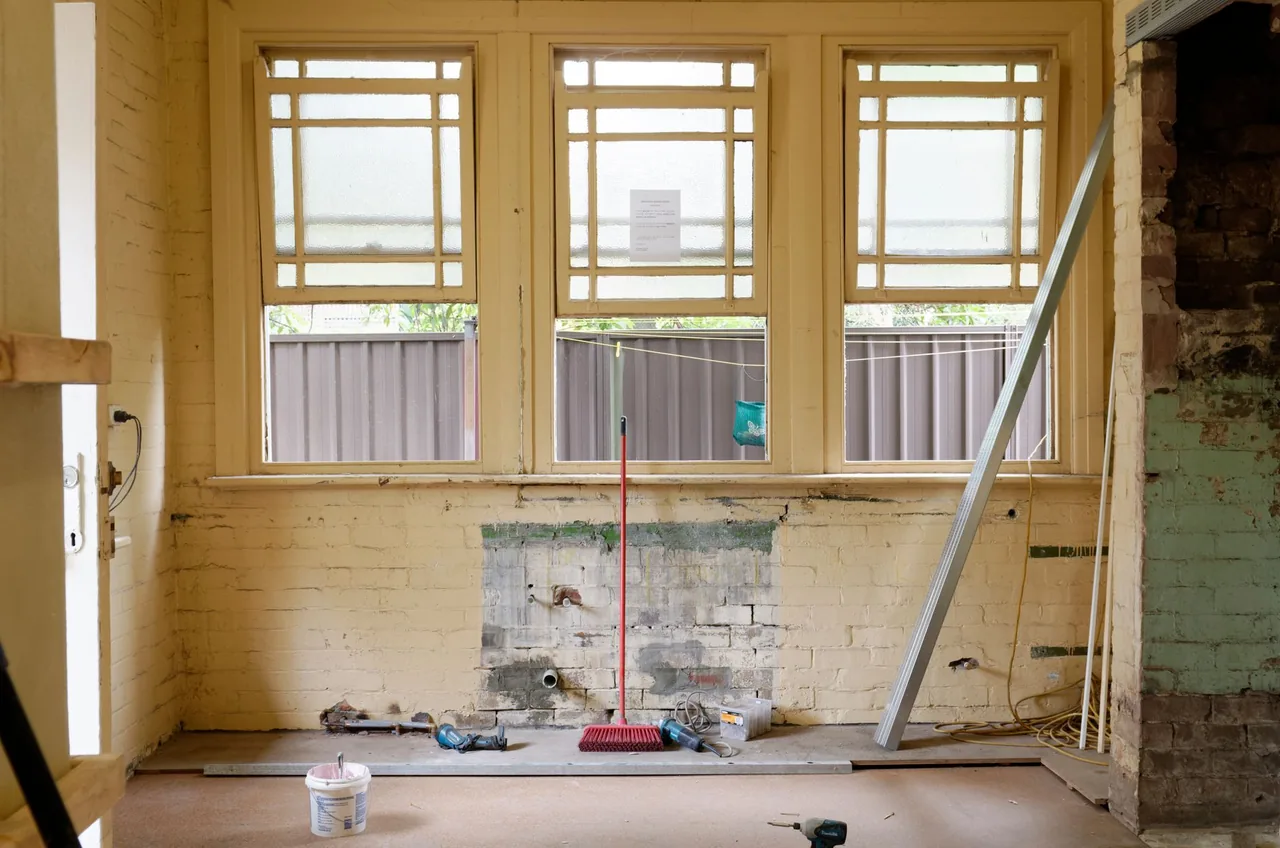
The Best Wall Finishes for a Bedroom, Ranked by Warmth and Quiet
The materials that make the best bedroom walls share two traits: they absorb sound and they add warmth. The ranking below makes that explicit — each candidate against the room's real deciders (acoustic absorption, warmth, low-emission finish) and a verdict, with the behind-the-bed feature wall the most common high-impact move.
| Finish | Acoustic absorption | Warmth | Low-emission finish | Verdict for a bedroom |
|---|---|---|---|---|
| Upholstered / acoustic panels | Highest — rated NRC, doubles as a headboard | Soft, padded, tactile | Choose low-emission fabric and adhesive | Best all-round — warmth, quiet, and a headboard in one |
| Wood panels & slat walls | Real absorption with an acoustic backer | Warmest, most enveloping tone | Specify a low-formaldehyde product and finish | Best for warmth — the signature behind-the-bed feature |
| Shiplap | Slight break-up of the reflective plane | Cottage-warm, softer than flat paint | Prime and paint low-VOC | Best textured feature — cozy without busyness |
| Wainscoting | Minor absorption on the lower wall | Traditional, enclosing character | Low-VOC paint over the millwork | Best quiet detail — cozy without a bold statement |
| Smooth drywall, matte low-VOC paint | Reflective, but matte scatters harshness | Soft, light-absorbing sheen | The easiest surface to finish zero-VOC | Best calm base — the quiet backdrop around the feature |
| High-gloss or cool-toned paint | Reflective | Cold, clinical, corridor-like | Same VOC options, but reads harsh | Avoid — the finish that keeps a bedroom from feeling restful |
Most bedrooms pair one warm, sound-absorbing feature wall behind the bed with calm matte surfaces around it. If you want to scope the feature to a single surface, the accent-wall approach applies directly. See the full range from the walls hub, and compare what each finish costs in the cost guides.
The Bedroom Wall Fit Test: Six Checks Before Any Finish Wins
A bedroom wall is decided on how the room should feel and breathe, not on the swatch. Each of the six checks below has a documented failure attached to ignoring it, and a wall that fails any one is why a bedroom never quite becomes a retreat. Call it the Bedroom Wall Fit Test: pass all six and the room feels quiet, warm, and restful; miss one and it stays hard, cold, or restless no matter how it is decorated.
- 1. Acoustic absorption
- If the room sounds live and exposed, at least one wall — most naturally behind the bed — wants a sound-absorbing surface rated by NRC: an upholstered or acoustic panel, or a slat wall with an acoustic backer. The higher the NRC, the more hushed the room; a bedroom of bare hard walls never settles.
- 2. Warmth strategy
- The room needs a source of visual and tactile warmth — wood tone, soft texture, a padded panel, a matte finish — to read as enveloping rather than clinical. A bedroom finished entirely in hard, glossy, cool surfaces feels like a corridor; the warmth is what turns a pass-through into a retreat.
- 3. Low-emission finishes
- Because you breathe this room's air for hours with the door closed, the finishes should be low-VOC or zero-VOC paint, a formaldehyde-conscious panel and adhesive, and everything given time to fully cure before the room is slept in. The bedroom is the worst room to off-gas in — this is the health check no swatch shows.
- 4. A single restful feature
- The discipline is one considered feature, usually behind the bed, with calm cohesive surfaces around it. Busy, high-contrast treatments on every wall keep the eye working when it should rest — the feature reads as intentional only when the other walls stay quiet.
- 5. Shared-wall sound blocking
- If the bedroom shares a wall with a loud space, the wall's STC matters. A higher-STC assembly — heavier 5/8" board, cavity insulation, sometimes resilient channel — blocks the neighbor noise that wakes a light sleeper, and it is most practical to build while the wall is open.
- 6. Right construction for the zone
- An ordinary bedroom wall needs no moisture detailing — over-building it wastes money. But the moment a wall backs an en-suite shower, it becomes a wet zone and needs tile over a cement backer to the TCNA standard, not a dry-bedroom finish. Match the construction to where the wall actually is.
Three of these six — the acoustic plan, the warmth strategy, and the low-emission finishes — are exactly the elements a decorate-first approach skips, because they take forethought a paint-color decision does not. That is why the fit test is non-negotiable: every check predicts whether the room becomes a retreat or stays a place you merely sleep.
Want the acoustics, warmth, and low-VOC finishes planned before you buy?
We match you with a vetted installer who reads how the room should feel, names the acoustic and warmth plan and the low-emission finishes, and puts it in a written scope — before you commit to a color or a price.
The Specs That Matter for Bedroom Walls, and What to Look For
A bedroom wall's quality is decided by the ratings that govern sound, warmth, and air — fewer hard numbers than a wet or high-traffic room, but the right ones still matter. Before the install sequence, here is each deciding spec on its own — what it measures, why it matters in the room you sleep in, and the number or feature to demand.
| Spec | Why it matters in a bedroom | What to look for |
|---|---|---|
| Acoustic rating (NRC) | The room feels hushed only if a surface absorbs sound rather than reflects it | A feature-wall panel NRC near 0.70–0.90+ |
| Sound-blocking (STC) for shared walls | A neighbor's noise through a shared wall wakes a light sleeper | A higher-STC assembly — heavier board, insulation, resilient channel |
| Finish emissions (VOC) | You breathe the room's air for hours with the door closed | Low-VOC or zero-VOC paint, formaldehyde-conscious panel and adhesive |
| Finish sheen & warmth | Gloss reads cold and clinical; matte reads soft and enveloping | A flat or matte sheen; wood tone and soft texture for warmth |
| Board choice for quiet | More mass on a shared wall improves sound performance | 5/8" board over 1/2" on a wall shared with a noisy room |
| Fastening for the feature | A behind-the-bed panel must be a secure feature, not a stick-on | Fastened into located studs, with blocking where the system needs it |
Every row is a spec-sheet number or a documented feature, not a matter of taste — which is why "we plan the acoustics, the warmth, and low-VOC finishes cured before you sleep in it, in writing" is the most valuable sentence in a bedroom quote. The finish-level system lives under drywall, and the shared-wall assemblies alongside wall installation. Because a bedroom wall away from harsh light rarely needs the Level 5 skim coat a window-flooded living room demands, a paint-ready Level 4 is usually enough here — keeping the budget for the feature wall.
Reading a Finish's VOC Label for the Room You Sleep In
Of all these specs, the one buyers overlook entirely is the emissions label, because it is the only bedroom spec you breathe rather than see. A finish's VOC content is printed on the can and the panel data sheet, and knowing how to read it is what separates a healthy sleeping room from one that off-gasses for weeks.
VOC Content Versus Emissions Over Time
The number on a paint can — grams per liter of volatile organic compounds — measures what is in the product, while a separate emissions certification measures what the cured finish releases into the air over time. A paint can read low-VOC by content yet still off-gas noticeably if it is not fully cured, which is why the two facts matter together: choose a low-content product and give it the cure window before the room is occupied.
Why the Cure Window Matters More in a Closed Bedroom
A living room airs out through daily traffic and open doors; a bedroom is often sealed for eight hours a night, so whatever the finish is still releasing concentrates in exactly the air you breathe asleep. That makes the cure window — the days a finish needs after application before its emissions drop off — more consequential here than in any other room, and worth building into the schedule rather than rushing.
Panels and Adhesives, Not Just the Paint
The paint gets the attention, but a feature wall's adhesive and the panel core can emit as much or more — formaldehyde-based binders in some composite panels are a common hidden source. A genuinely low-emission bedroom wall specifies a formaldehyde-conscious panel and a low-VOC adhesive alongside the paint, so the whole assembly, not just the topcoat, is safe to sleep beside once cured.
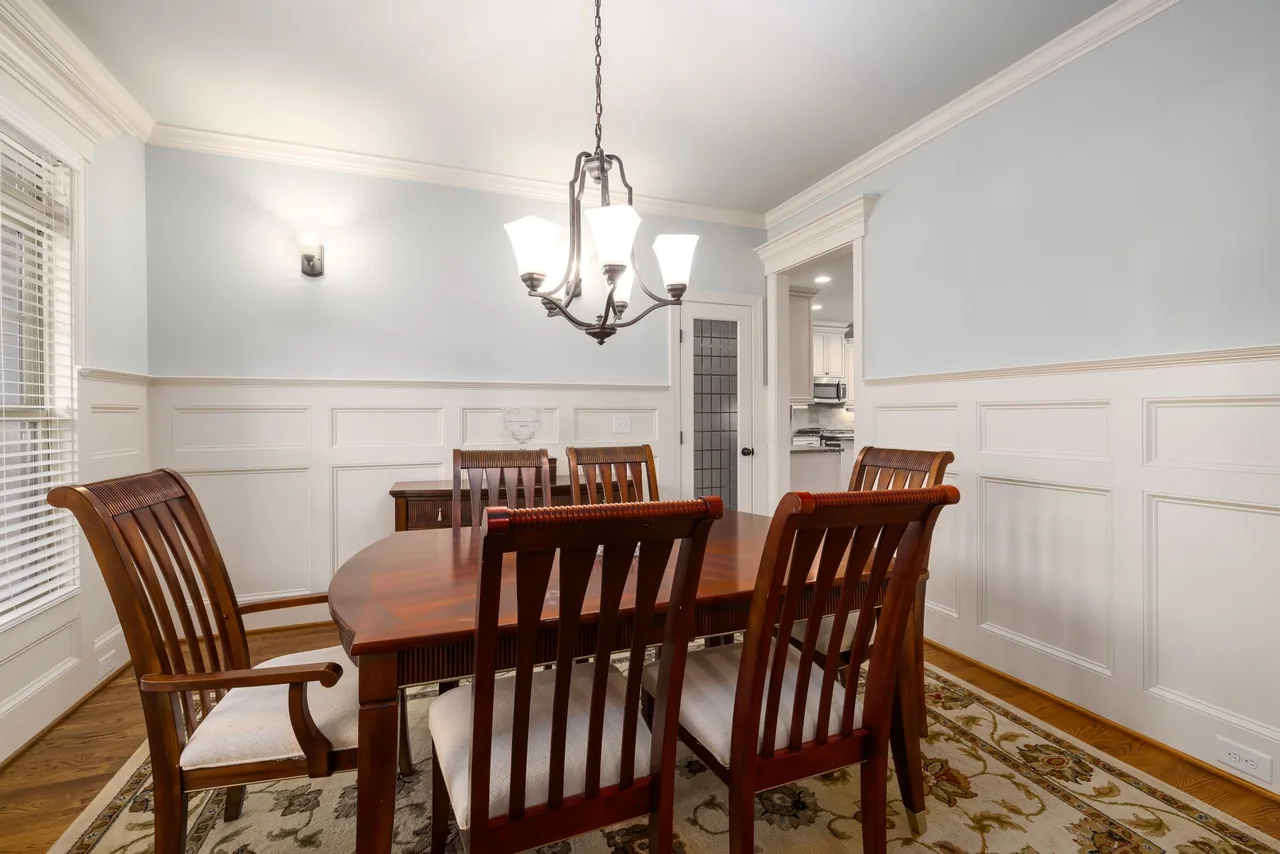
How a Bedroom Feature Wall Is Installed — the Room-Specific Sequence
Installing bedroom walls well is mostly low-drama work — the demands are about sound, warmth, and air, not heavy loads or moisture — with the feature wall behind the bed as the one piece of real craft. The six steps below are the full arc for that feature wall, each aimed at the room's real demands.
Read How the Room Should Feel and Breathe
The installer reads whether the room sounds live, whether it feels cold, and whether it shares a wall with a loud space — and settles the low-emission finishes for the room you sleep in. The acoustic plan, the warmth strategy, and the low-VOC paint and adhesive are decided here, before any panel is ordered, because a bedroom is the worst room to discover an off-gassing finish in.
Handle the Shared Wall While It Is Open
If a wall backs a loud space, the sound-blocking work happens now: heavier 5/8" board, cavity insulation, and sometimes resilient channel to decouple the surfaces and raise the wall's STC. This is far easier while the wall is open than after — the step that keeps a neighbor's noise from waking a light sleeper.
Finish the Calm Base to Level 4
The walls that are not the feature get a sound drywall surface, taped and finished to a paint-ready Level 4, then painted in a soft matte low-VOC sheen. Because most bedroom walls sit away from harsh raking light, the full Level 5 skim coat a living room needs is usually unnecessary here — which keeps the budget for the feature wall behind the bed.
Mount the Acoustic Backer and Set the Layout
Behind the bed, the acoustic backer goes up first where the panel system uses one, then a dead-level reference line is struck and the layout — panel seams, slat spacing, board direction — is planned so the feature reads square and centered on the bed. The rhythm of a slat wall only reads right if the spacing and plumb are set exactly here.
Fasten the Feature into Framing
The upholstered panels, acoustic panels, or wood slats are fastened into the located studs — with blocking added where the system needs it — a secure, built-in feature rather than applied padding. Seams are aligned cleanly and the feature is held plumb and centered so it doubles convincingly as a headboard.
Detail the Edges, Cure, and Walk It
The edges finish the feature: clean junctions at the corners and ceiling so it reads as integrated millwork, not applied padding. The low-VOC finishes are given time to fully cure before the room is slept in, the site is cleaned, and the installer walks the room with you to confirm it feels quiet, warm, and calm — not just that it looks good in daylight.
Skip or rush any one of these six and the failure it was meant to prevent shows up later — a room that stays hard, cold, restless, or that off-gasses the first week — which is why a vetted installer treats the sequence as fixed, not optional. The broader method set lives under wall installation, and the paint-ready base under wall finishing.
Common Bedroom Wall Mistakes, Consequences, and Prevention
Most bedroom wall failures are the same handful of shortcuts, each with a predictable consequence and a known prevention. Naming them is how you spot a corner being cut before it costs you a restful room.
| Mistake | What it causes | The prevention |
|---|---|---|
| All-hard, all-reflective walls | A live, echoey room that never feels hushed | At least one sound-absorbing wall (rated by NRC), most naturally behind the bed |
| High-gloss, cool-toned finishes | A cold, clinical room that reads like a corridor | Matte sheens, wood tone, and soft texture for enveloping warmth |
| Ordinary-VOC paint in a closed room | Off-gassing air you breathe for hours a night | Low-VOC or zero-VOC paint and adhesive, fully cured before sleeping in it |
| Busy pattern on every wall | A restless room that keeps the eye working against sleep | One considered feature wall, calm cohesive surfaces around it |
| Ignoring a shared wall to a loud space | Neighbor noise passing through and waking a light sleeper | A higher-STC assembly — heavier board, insulation, resilient channel — built while open |
| Over-building an ordinary bedroom wall | Wasted money on moisture detailing a dry wall never needs | A calm paint-ready finish for a dry wall; wet-zone build only where a wall backs a shower |
| Feature panel stuck on, not fastened | A loose, applied-looking headboard wall that shifts and sags | Fasten into located studs with blocking where the system needs it |
Every row is a documented way a bedroom fails to become the retreat it was meant to be — which is why "we build for quiet, warmth, and the air you sleep in, in writing" is the most valuable sentence in a bedroom quote.
Which Wall Finish Is Right for Your Bedroom?
The right bedroom finish is the output of a short chain of honest questions about quiet, warmth, the feature, and any shared walls. Walk it in order; each branch eliminates options the room's comfort rules out, and what survives is your defensible plan.
- Does the room feel hard or echoey? If the bedroom sounds live and exposed, add a sound-absorbing surface — an upholstered or acoustic panel, or a slat wall with an acoustic backer — behind the bed. The wall is the biggest lever for making a room feel hushed, so solve the quiet first.
- Does the room feel cold or clinical? For warmth, lean toward wood tone, soft texture, matte sheens, and padded surfaces, and away from hard, glossy, cool finishes. Warmth is what turns a room you pass through into one you rest in — name the warm surface before the color.
- Are the finishes low-emission? Because you breathe this room's air for hours with the door closed, choose a low-VOC or zero-VOC paint and a formaldehyde-conscious panel and adhesive, and give them time to cure before sleeping in the room. This is the health branch no swatch shows.
- Does the bedroom share a wall with a loud space? If a noisy room or a busy exterior is on the other side, the wall's STC matters. A heavier board, insulation, and sometimes resilient channel — built while the wall is open — block far more sound between rooms than any surface treatment.
- Does any wall touch a wet zone? An ordinary bedroom wall needs no moisture detailing, but a wall shared with an en-suite shower becomes a wet wall and needs tile over a cement backer to the TCNA standard. Match the construction to where the wall actually is — never over- or under-build.
Run honestly, this tree almost always returns a single defensible plan — and an installer who reaches for a paint color before asking how the room should feel and breathe is the red flag.
Not sure how to make your bedroom feel like a retreat?
Tell us how the room should feel — quieter, warmer, calmer — and we will match a vetted installer who names the right finishes for sound, warmth, and healthy air, and puts it in writing.
Installation Reality in a Bedroom
Installing bedroom walls well is mostly low-drama work — the demands are about sound, warmth, and air, not heavy loads or moisture — with the feature wall behind the bed as the one piece of real craft.
The Calm Painted Base: Straightforward and Low-VOC
For the calm painted base, the work is straightforward: a sound drywall surface taped, finished to a paint-ready Level 4, and painted in a soft matte low-VOC sheen. Because most bedroom walls sit away from harsh raking light, the full Level 5 skim coat a living room needs is usually unnecessary here — which keeps the budget for the feature wall. If you want a soft texture instead of dead-flat, knockdown or a light skim texture is an option; see wall texturing.
The Upholstered or Acoustic Feature Wall: Integrated, Not Applied
For an upholstered or acoustic feature wall, the installer fastens the panel system or the padded panels to the located studs behind the bed, aligning seams cleanly and finishing the edges so the feature reads as integrated millwork rather than applied padding. Acoustic backers go up first where the system uses them, and the panels are chosen and specified for their Noise Reduction Coefficient (NRC) when the quiet is the point.
The Wood or Slat Feature Wall: Exact Spacing and Plumb
For a wood or slat feature wall, the work mirrors the living room's: locate the studs, set a level reference line, fasten battens or boards into the framing with consistent spacing, and finish the corners and ceiling junction cleanly. The rhythm only reads right if the spacing and plumb are exact — and the product and finish are best specified low-emission for the room you sleep in.
The Shared-Wall Sound Upgrade: Inside the Wall
For a shared-wall sound upgrade, the real work happens inside the wall — heavier board, insulation in the cavity, and sometimes resilient channel to decouple the surfaces — which is most practical when the wall is open. This is the assembly that raises the Sound Transmission Class (STC) between a bedroom and a noisy neighbor space; the broader method set lives under wall installation.
Talk through your project — free.
A free consultation and a written, itemized quote from a vetted installer. No pressure, no obligation.
Care and Longevity of Bedroom Walls
Bedroom walls see the gentlest daily life in the house, so their longevity is the easiest of any room — the focus is keeping soft surfaces clean and the feature wall looking integrated. Matte painted walls need little beyond occasional dusting and the eventual repaint; the soft sheen that gives the room warmth also hides minor marks well. Upholstered and fabric acoustic panels stay fresh with vacuuming and the occasional fabric clean per the panel maker's guidance; their padded face is the one surface that benefits from periodic attention.
Wood and slat walls keep their warmth with light dusting and, for oiled finishes, periodic re-oiling; the gaps in a slat wall collect dust and benefit from an occasional pass. Wainscoting and shiplap clean up easily and age gracefully in a low-traffic room.
Because the bedroom is low-traffic, the wear that shows in a living room rarely appears here — the longevity story is mostly about the feature wall's edges staying tight and the soft surfaces staying clean. When something does need attention — a loosened panel, a mark on a fabric surface, a small crack at a seam — spot wall repair handles it cleanly when the original work was sound, and a tired painted wall refreshes under wall finishing in a low-VOC coat without disrupting the room for long.
Ready for a bedroom that feels like a retreat?
We match you with a vetted installer who builds for quiet and warmth and specifies low-VOC finishes cured before you sleep in it — starting with a free consultation and an itemized written scope, no obligation.
What Actually Drives the Cost of Bedroom Walls
A bedroom wall quote is not a flat per-square-foot rate; the headline number a low bid leads with hides the items below, ranked by how much they move the total in a room built for rest rather than traffic.
- The feature wall material behind the bed. The biggest single driver, and the range is wide — an upholstered acoustic panel or a hand-set slat wall costs far more than a painted shiplap feature. Because a bedroom concentrates its budget on this one wall, its material is where most of the spend goes.
- Acoustic treatment and its backer. A sound-absorbing feature adds the panels plus the acoustic backer they mount over — the cost of the quiet that makes a room feel hushed, beyond a purely decorative wall.
- Shared-wall sound blocking. Raising a shared wall's STC with heavier board, cavity insulation, and resilient channel is real material and labor inside the wall — the cost of keeping a neighbor's noise out, most economical when the wall is already open.
- Low-emission finishes. Low-VOC or zero-VOC paints and formaldehyde-conscious panels and adhesives can cost a little more than standard products — a modest premium for the air you breathe eight hours a night.
- Base wall finishing. The calm surrounding walls need finishing, but usually only to a paint-ready Level 4 rather than the Level 5 a window-flooded living room demands — a genuine saving that leaves budget for the feature.
- Feature-wall fastening and edges. Fastening a panel system into framing with blocking where needed, and detailing the corners and ceiling junction cleanly, is skilled work — the difference between an integrated headboard wall and applied-looking padding.
- Room size and layout. A primary suite has more wall than a small guest room, and any built-in around a bed, a niche, or a closet wall adds cutting and fitting beyond a plain rectangle — the reason the same finishes cost more in a larger, more complex room.
Because these drivers swing so widely, the only honest number comes from an on-site assessment. Compare what moves the price across the category in our cost guides, and see where walls sit among the eight categories we cover across home surfaces so you can read a quote critically.
Bedroom Wall Glossary
The terms below recur in every bedroom wall quote, spec sheet, and warranty — each defined as its working meaning on an actual job, so you can read a scope and judge whether it is complete.
- Acoustic comfort
- The sense of a soft, hushed, enveloping room — the primary demand a bedroom wall serves, achieved by absorbing sound rather than reflecting it off hard, flat surfaces.
- NRC
- Noise Reduction Coefficient — the fraction of sound a surface absorbs, on a 0 to 1 scale. The higher a feature panel's NRC, the more hushed the bedroom feels.
- STC
- Sound Transmission Class — how much sound a wall assembly blocks between rooms. A higher-STC shared wall keeps a neighbor's noise from waking a light sleeper.
- Volatile organic compounds (VOCs)
- The compounds ordinary paints and some adhesives release as they cure — the "fresh paint" smell. In a bedroom you breathe for hours with the door closed, a low-VOC or zero-VOC finish is the healthier choice.
- Upholstered panel
- A fabric-wrapped, padded wall panel behind the bed that functions as a soft integrated headboard while absorbing sound and adding tactile warmth — the bedroom's highest-leverage feature.
- Acoustic panel
- A fabric or felt panel, often with a slat face, engineered to absorb reflected sound and rated by its NRC — the surface that makes a bedroom feel quiet rather than live.
- Slat wall
- Vertical wood battens spaced over a backer — a bedroom feature that adds warm wood tone and gentle rhythm, and, with an acoustic backer, softens the room's sound.
- Resilient channel
- A springy metal channel that decouples drywall from the framing to cut sound transmission — part of a higher-STC assembly on a bedroom wall shared with a loud space.
- Blocking
- Extra framing added between studs behind the drywall to give a panel system a solid attachment point where the framing does not fall — how a feature wall stays a secure feature, not a stick-on.
- Level 4 finish
- A paint-ready drywall finish with taped and sanded joints and fasteners but no full skim coat — usually enough for a bedroom wall away from harsh light, keeping the budget for the feature.
- Matte sheen
- A flat paint finish that scatters light and reads soft and warm rather than glossy and clinical — the sheen that suits a room designed for rest.
- TCNA standard
- The Tile Council of North America methods (with ANSI) that govern tile and wet-zone construction — the bar a bedroom wall that backs an en-suite shower is built to.
Standards, Warranty Conditions, and Our Bedroom Wall Bar
A bedroom wall's result is a matter of intent and conditions, not luck — and what makes a room a retreat traces to the acoustics, the warmth, and the air, not to the paint color itself.
Conditions That Hinge on the Install
The conditions are specific and checkable: a sound-absorbing surface where the room feels live, a warm material for enclosure, low-emission finishes cured before the room is slept in, a higher-STC assembly on a shared wall, and — where a wall backs a shower — a cement backer to the TCNA standard. An installer who reaches for a paint color and skips the acoustic and low-VOC decisions has missed what makes a bedroom rest-worthy. Ask in writing that the finishes be low-VOC and fully cured before occupancy and that any shared-wall or wet-zone work follow the relevant standards — that document is what a healthy, quiet room is judged against.
Our Bedroom Wall Standards
Pro Work Home Surface is not a contractor and does not finish your walls — we match you with vetted local installers and hold them to a published bar. These are the standards we expect on every bedroom wall project we connect.
- Build for quiet, not just for looks
- Where a bedroom feels echoey or shares a wall with a loud space, a credible installer recommends sound-absorbing panels (rated by NRC) or a higher-STC wall assembly — addressing how the room sounds and sleeps, not only how it looks.
- Warmth and healthy air, by design
- The room gets a source of enveloping warmth — wood tone, soft texture, a padded feature — and low-VOC or zero-VOC finishes given time to fully cure before it is slept in, because a bedroom is the worst room to off-gas in.
- Feature wall fastened into framing
- Upholstered, acoustic, wood, and slat panels behind the bed are anchored into located studs, with blocking where the system needs it and clean, integrated edges — a secure, built-in feature, not applied padding.
- Right construction for the zone
- An ordinary bedroom wall gets a calm paint-ready finish; a wall shared with an en-suite shower gets tile over a cement backer to the relevant TCNA standard — matched to where the wall actually is, never over- or under-built.
A Real Bedroom Wall Decision
The clearest way to see why quiet and warmth drive the bedroom is to walk through one representative decision where comfort, not decoration, set the spec.
How to Vet an Installer for Bedroom Walls
A bedroom disappoints at the acoustics, the warmth, or the air far more often than at the material — so the installer's approach matters more than the swatch. These questions separate a crew that builds a bedroom into a retreat from one that paints four walls and leaves.
- They ask how the room should feel before the color
- A real answer starts with quiet, warmth, and rest — not a paint chip. An installer who reaches for a color before asking whether the room echoes or feels cold is decorating, not solving the room.
- They have an acoustic answer for a live room
- Ask how they would make an echoey bedroom feel hushed. A credible answer names an upholstered or acoustic panel behind the bed, or a slat wall with an acoustic backer, rated by NRC — the wall being the biggest lever.
- They specify low-emission finishes
- Ask what paint and adhesive they use in a bedroom and how long before it is safe to sleep in. A real answer names low-VOC or zero-VOC products and a cure window — the health detail a bedroom uniquely needs.
- They handle a shared wall while it is open
- For a wall backing a loud space, ask how they block the noise. The answer should name heavier board, cavity insulation, and sometimes resilient channel to raise the STC — real work inside the wall, not a surface fix.
- They fasten the feature into framing
- Ask how the behind-the-bed panel is secured. Fastening into located studs with blocking where the system needs it makes it a built-in feature, not applied padding that shifts and sags over time.
- They put the scope and workmanship warranty in writing
- Ask for the full scope — acoustic plan, warmth strategy, low-VOC finishes, shared-wall work — plus a labor warranty, in writing before work starts. A crew willing to name a workmanship guarantee, and to return if a panel loosens or a seam opens, is accountable for the install, not just the product.
Why Route Your Bedroom Walls Through Pro Work Home Surface
Pro Work Home Surface is not a contractor and does not finish your walls — we are a national authority on home surfaces that matches homeowners with vetted local installers and holds them to a published bar.
- Built for quiet, so the room actually rests
- Where a bedroom feels live, a sound-absorbing feature behind the bed — rated by NRC — soaks up the reflected sound, and a shared wall to a loud space is raised to a higher STC so a neighbor's noise no longer wakes a light sleeper.
- Warmth designed in, not decorated on
- The room gets a genuine source of enveloping warmth — a padded panel, a wood or slat wall, matte surfaces — so it reads as a retreat rather than a cold, glossy corridor.
- Healthy air for the room you sleep in
- Finishes are low-VOC or zero-VOC and given time to fully cure before the room is occupied — because you breathe this room's air for hours a night with the door closed.
- A feature wall that reads built-in
- The behind-the-bed panel is fastened into framing with blocking where needed and its edges detailed cleanly, so it doubles as a headboard and looks like millwork the room was designed with, not padding applied later.
Every connection starts the same way: a free consultation and a written, itemized quote from a vetted installer, with no obligation. If your bedroom project also touches wall finishing, texturing, or a single statement accent wall behind the bed, the same standards apply — a calm scheme can extend overhead to a ceiling treatment, and the quiet you build in a bedroom pairs naturally with a tamed, restful living room. Compare what each finish costs in our cost guides, dig into the how-and-why in our guides, and start from the walls hub to see where your project fits among the eight categories we cover across home surfaces.
Brands & Material Authority
Quality and construction drive long-term performance more than the label. These are widely respected names in this category:
- James Hardie
- Metrie
- USG
- Sherwin-Williams
- Armstrong
- DPI