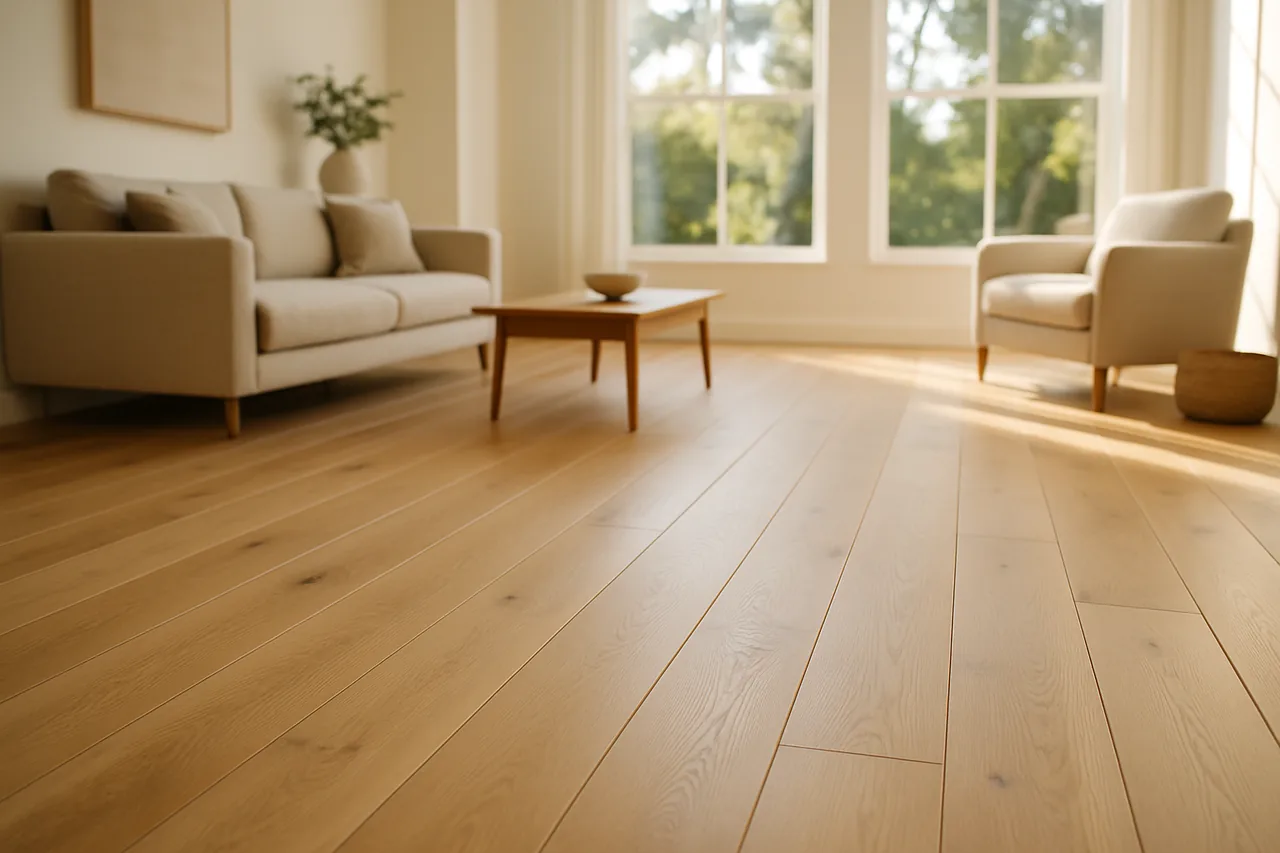
Frieze carpet is a cut pile spun to an extremely high twist level — the fibers are turned so tightly and heat-set so they kink and curl in random directions instead of standing straight. That curl is why frieze hides footprints, vacuum marks, and traffic shading better than any other cut pile, and why it feels casual and soft underfoot rather than formal. Choose frieze over a looped Berber when you want softness and snag immunity — a cut tip cannot run — and over a plush when you want the wear and footprint-hiding a plush can't give. The spec that decides it, the one most buyers never ask about, is turns per inch: the higher the twist, the better it resists matting. Frieze is the modern, durable answer to the old shag. Get a free consultation and a written, itemized scope from a vetted installer before you buy, because the twist level, the fiber, the pile height, and the pad are settled there, not by the softest sample on the showroom floor.
Frieze Is Defined by Twist — and Twist Is the Whole Story
A cut-pile carpet is made by shearing the tufted loops open so fiber tips stand exposed. What separates frieze from every other cut pile is one upstream decision: how hard the yarn is twisted before it is cut and heat-set. Frieze takes that number to its extreme, and everything the style does — good and bad — follows from it.
Why a High Twist Hides Wear a Plush Displays
In a plush or Saxony, the tips are cut from relatively straight, low-twist yarn, so they line up and stand upright — which looks formal and feels dense but shows every footprint, vacuum track, and shaded traffic lane. Frieze twists the yarn to a very high level and heat-sets each tuft so it holds a permanent kink, curling and leaning in random directions rather than standing in rank. Because the fiber tips point every which way instead of all one way, frieze scatters light and breaks up the surface, so footprints and vacuum marks vanish almost as you make them and traffic shading is far less visible. That self-hiding surface is frieze's standout living advantage.
Turns Per Inch: the Number That Defines a Frieze
Twist level — the count of turns the yarn is given per inch, sometimes shown on a spec sheet as TPI — is frieze's signature measurement. A true frieze runs a notably higher turns per inch than a plush. The higher that number, the more permanently the fiber holds its kink and the better it resists the untwisting and flattening that make lower-twist cut pile look worn within a year or two. A carpet sold as "frieze" for its look but without the twist will flatten like any cut pile — which is why the twist level, not the hand-feel, is the spec to ask for.
Heat-Set: How the Twist Is Locked In
Twisting the yarn is only half the job; the twist has to be fixed so it does not relax. The tightly turned yarn is heat-set — cooked under controlled heat and steam so the kink becomes permanent. A well heat-set frieze holds its curl for the life of the carpet; a poorly set one relaxes over time and the curls splay and flatten even at a decent twist count. Reading twist alone is not enough — the heat-set quality is why a bend test that shows tight, springy curls matters as much as the printed number.
Why Frieze Cannot Run Like a Berber
The other consequence of the cut pile is protective: because every tuft is a sealed, cut end rather than a continuous loop, frieze cannot snag and run the way a Berber loop can. A claw, a caster, or a beater bar that would pull a Berber loop into a run finds nothing to unzip on a frieze — the worst it does is fuzz a tip. This snag immunity is frieze's defining advantage over loop carpet and the single biggest reason it is the cut pile to choose for a home with pets.
Frieze vs. Its Sibling Carpets — the Deciding Spec, Side by Side
Frieze is one construction within the carpet family, and choosing it means choosing a high-twist cut pile for specific reasons. The matrix below lines frieze up against its sibling leaves on the spec that actually decides each one.
| Carpet type | Construction | Deciding spec | Snag / run risk | Best for |
|---|---|---|---|---|
| Frieze | High-twist cut pile | Twist level (turns per inch) | None — a cut tip cannot run | Soft, busy, pet and kid rooms, stairs |
| Berber | Uncut loop pile | Loop density + fiber | High — a caught loop runs | Claw-free high traffic, low-profile lanes |
| Carpet tile | Modular squares, rigid backing | Backing + install system | Low — swap one tile | Basements, offices, playrooms, DIY |
| Stain-resistant | Any — a fiber attribute | Dye method (solution-dyed) | Depends on construction | Kids, pets, dining, spill-prone rooms |
Read across the "deciding spec" column and the family logic is clear: frieze and Berber are the two construction choices, carpet tile is a format, and stain resistance is an attribute you layer onto any of them. Against Berber specifically, frieze wins decisively on softness and snag immunity, while Berber wins on its lower profile and its very tight crush resistance in the hardest lanes — for most households weighing the two, the snag question settles it. Against a plush or Saxony, frieze is the more durable, more forgiving floor, hiding footprints and wear where a plush displays them, while plush is the more formal, more easily marked one. A cut-and-loop construction is a different middle path — mixing sheared and looped yarn into a pattern — but it reintroduces some loop snag risk that pure frieze avoids. The natural pairing to note: a stain-treated, solution-dyed nylon frieze is one of the most family-proof carpets made, because construction handles the wear and chemistry handles the stains.
The Specs That Decide a Good Frieze — Twist, Fiber, and Density
Frieze ranges from a budget polyester with a loose curl that mats within a couple of years to a high-twist nylon that holds its texture for a decade. Three specs separate them, and twist is the one most buyers never ask about — even though it is the heart of what frieze is.
Fiber — Nylon Is the Resilient Frieze, Polyester Is the Soft-but-Softer One
Fiber sets resilience, and resilience decides whether a frieze holds its twist under traffic. Nylon is the durability benchmark: resilient, it springs back from crushing and holds its curl, making it the choice for high-traffic frieze and stairs. Polyester (PET) is softer, value-priced, and naturally stain-resistant but less resilient, so a polyester frieze mats sooner under heavy use — fine for a lighter-traffic bedroom, risky in a busy family room. Triexta is durable and inherently stain-resistant, a strong frieze fiber for messy, busy homes. Match the fiber to the traffic before the price, because a soft low-twist polyester is exactly the frieze that earns the style an undeserved reputation for matting.
How to Read Twist and Heat-Set by Hand
You do not need the spec sheet to judge a frieze: bend a sample back over your fingers and watch the curls. A dense base with tight, springy curls that snap back is a high-twist, well heat-set frieze that will hold up; a loose, easily parted pile whose curls stay flattened is a low-twist or poorly set one that will mat. This hand read is why twist and heat-set travel together — a decent twist count that was never properly heat-set still relaxes and splays. When you can, ask the printed twist level and let the bend test confirm it.
Pile Height and Density — Comfort Without Sacrificing Wear
Two more variables tune the balance of comfort and durability. Density — how tightly the tufts are packed — works with twist: a dense, high-twist frieze holds footprint and wear resistance, while a sparse one lets the curls splay. Pile height trades comfort against cleaning: a shorter, denser frieze wears better and vacuums more easily, while a longer, looser frieze feels more luxurious and shag-like but mats faster and can trap debris in its curls. For a busy, high-mess room pick shorter and denser; for a low-traffic comfort space a longer, softer frieze is fine.
The Pad Behind the Curl
The cushion does much of the comfort and longevity work. The right density and thickness supports the pile and extends its life; a too-soft or too-thick pad lets the carpet flex and break down faster and can void the warranty. Match the pad to the frieze and the traffic — a resilient frieze on a proper pad holds its texture for years, while the same carpet on the plushest cushion in the showroom fatigues early. The pad is a spec on a frieze, not an afterthought.
The Frieze Spec Sheet at a Glance
The table collects the deciding specs, what each governs, and how to read it, so the buying logic reads in one pass.
| Spec | What it governs | Best for real traffic | How to read it |
|---|---|---|---|
| Twist level | Matting resistance — the frieze signature | High turns per inch | Ask the number; bend the sample for tight, springy curls |
| Fiber | Resilience and stain behavior | Nylon (or triexta) | Read for traffic first; polyester for light use |
| Density + heat-set | How permanently the twist holds | Dense base, well heat-set | Curls that snap back, backing that barely shows |
| Pile height + pad | Comfort vs. cleaning and wear | Shorter/denser for mess; matched pad | Shorter for busy rooms; pad to the maker's spec |
The rule the sheet points to: choose a genuinely high twist in a resilient nylon (or triexta) for any busy room, read density and heat-set by hand rather than trusting the curl alone, and match the pad to the carpet. Compare frieze spec-for-spec against its siblings and hard flooring with the material comparison tool, and size the room with the flooring cost calculator before you read a quote.
Want the twist, fiber, and pad matched to your traffic before you buy?
We match you with a vetted installer who reads your household and your room, names the twist level and fiber your space needs, and puts it in a written scope — before you commit to a sample or a price.
The Frieze Fit Test — Six Checks Before You Commit to the Curl
Frieze is the cut pile most likely to disappoint when it is bought on softness alone, because the twist that makes it durable is invisible to the hand and the grades vary wildly. Run every candidate through the same six-check Frieze Fit Test: pass all six and the curl is the right call; fail one and either the spec or the room needs to change.
- 1. The twist level is genuinely high
- Ask the turns per inch and weigh it above softness. A true frieze runs a notably higher twist than a plush, and that is what resists matting; a low-twist carpet sold as frieze for its look will flatten like any cut pile. If the seller cannot name the twist and the bend test shows loose, flattening curls, it fails here.
- 2. The fiber suits the traffic
- Nylon (or triexta) for high-traffic rooms and stairs where resilience matters; polyester is fine only for a lighter-use bedroom. A soft polyester frieze in a busy family room mats sooner and fails this check — read the fiber for the traffic before the price.
- 3. The density and heat-set pass the bend test
- Bend the sample: a dense base with tight, springy curls that snap back is a well-made frieze; a loose pile whose curls stay flattened is a low-twist or poorly heat-set one that will splay. A decent twist count that was never properly set still relaxes, so the hand read matters as much as the number.
- 4. The pile height matches the mess
- A shorter, denser frieze wears better and vacuums easily for busy, high-mess rooms; a longer, looser frieze feels plusher but mats faster and traps debris. Match the height to how hard and how messy the room lives rather than to which sample feels softest.
- 5. The room is dry and at or above grade
- Like all broadloom carpet, frieze holds moisture, so it belongs in dry rooms — never a bathroom or laundry room, and below grade only over a moisture-tolerant system. A damp basement fails this check for broadloom frieze and points to carpet tile.
- 6. The pad is matched and the installer keeps pile direction consistent
- Confirm a pad density matched to the carpet, and ask the installer how they keep pile direction uniform across seams and through the space. Frieze's nap shades differently by direction, so a crew that ignores it leaves adjoining pieces reading as different colors under light.
Fail on twist and stop — a low-twist frieze is just a plush that will mat. Pass all six and you have a curl matched to the room, the fiber, and the crew that will lay it; the color and softness become free choices after the test, not gambles inside it.
Where Frieze Works Best — and Where the Curl Costs You
Frieze's softness, snag immunity, and footprint-hiding sort it into the comfort rooms of a busy home, while its informal look and longer-pile cleaning challenges keep it out of a few places. Match it to the room and it is one of the most livable carpets made.
The Rooms Frieze Owns
Frieze is at its best in the soft, busy, family rooms: a bedroom floor where comfort and warmth lead, a living-room floor or family room where footprints and wear must hide, and a kid-friendly playroom where a child sits on the floor and spills happen. It is an excellent stair carpet — the high twist resists the crushing that flattens plush on the nosing, and unlike a Berber there is no loop to snag on the stairs. In a pet-friendly home, frieze is the cut pile to choose precisely because it cannot run when a claw catches it, and a stain-treated frieze handles the accidents that come with pets.
Where a Sibling Construction Wins Instead
Frieze is the weaker choice in a few cases. It is the wrong look for a formal space that wants the crisp, upright uniformity of a Saxony — the tousled curl reads casual. The longest, loosest frieze can be harder to vacuum and can trap debris in its curls, so a very high-traffic, high-mess commercial-style space may do better on a tight Berber loop or a modular carpet tile. And like all carpet, frieze holds moisture, so it is the wrong surface for a bathroom floor or a laundry-room floor and a hard no in a a below-grade basement below grade without a moisture-tolerant system beneath it. Where liquid below the surface is the worry, a moisture-tolerant carpet tile is the safer route.
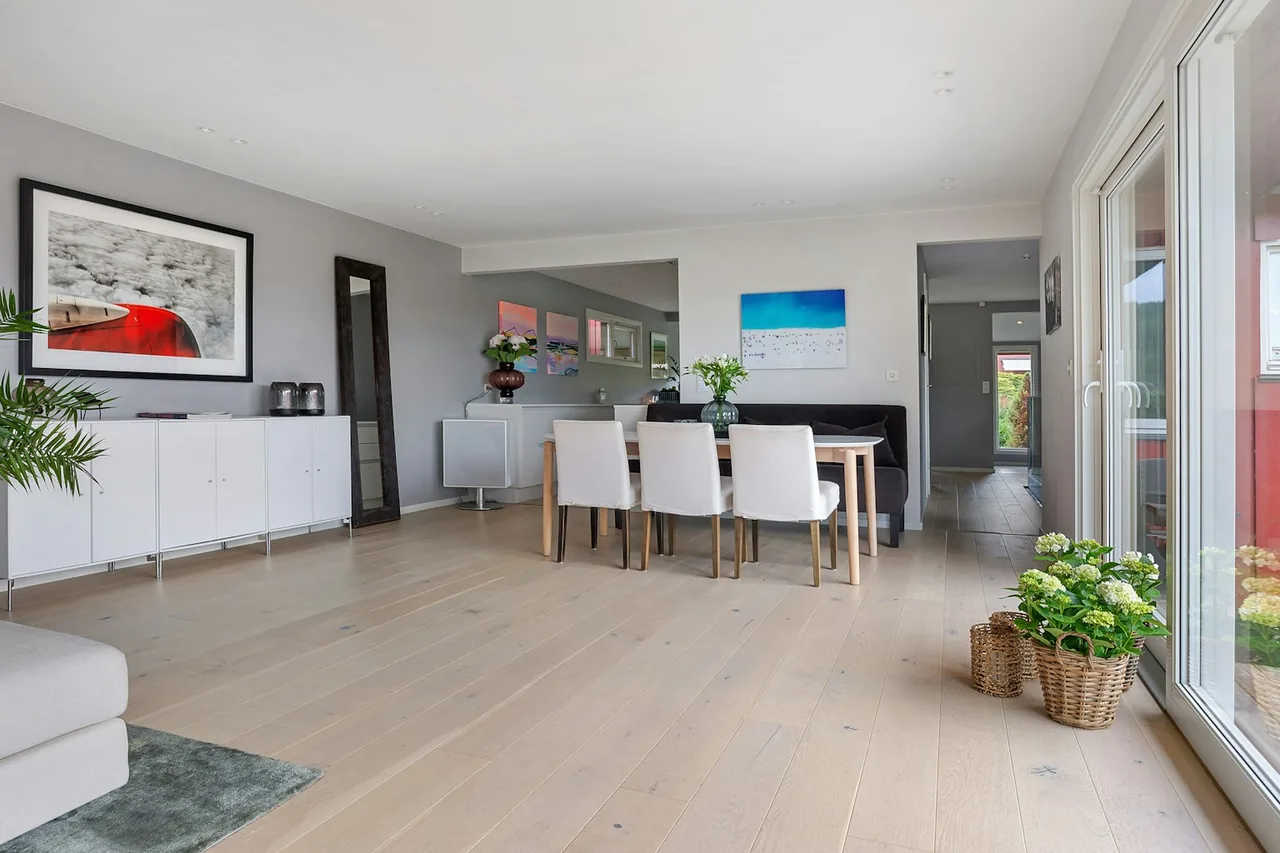
How Frieze Carpet Is Installed
Frieze is installed by the same stretch-in method as most residential carpet, and its curled construction actually makes the install more forgiving in one way and more demanding in another than a loop or a plush. The six steps below are the full arc, with the frieze-specific notes called out where they fall.
On-Site Measure and Pile-Direction Read
The installer measures the room, plans seam placement, and — critically for a cut pile — notes the pile direction at the measure. Frieze's nap shades differently depending on which way the fiber leans, so the direction is recorded now so adjoining pieces run consistently and do not read as different shades under light later.
Subfloor Check and Prep
The subfloor is checked and, where loose, squeaky, or badly out of flat, corrected first under subfloor prep. Frieze's curled pile hides minor substrate flaws well, but a badly unflat deck still stresses seams and causes uneven wear no matter how forgiving the surface.
Pad and Tack Strips
Tack strips are fastened around the perimeter and the cushion is laid and secured, matched in density and thickness to the frieze and the traffic. A too-soft or too-thick pad lets the carpet flex and break down faster and can void the warranty, so the pad is specified, not defaulted to the plushest roll.
Power-Stretch to Tension
The carpet is power-stretched onto the strips so it holds proper tension across the whole room — the step that makes or breaks any carpet. A frieze that is merely knee-kicked into place instead of power-stretched relaxes and develops the ripples and wrinkles that are the most common carpet complaint, and a re-stretch is then needed to fix it.
Cut and Bond the Seams in the Curl
Frieze's broken, random surface camouflages seams far better than a loop or a plush — the curl hides the join a straight Berber loop line or an upright plush would advertise, so a competent frieze seam is one of the least visible in carpet. It still must be cut, seam-sealed, and heat-bonded correctly, with pile direction kept uniform across the join.
Trim, Transitions, and Walkthrough
The carpet is trimmed and tucked at the walls, transitions finish the edges where it meets hard flooring and any staircase, and the site is cleaned. The installer walks the room with you to confirm the stretch and the seams and to review vacuuming and prompt spill response that keep the frieze and its warranty in good standing.
Skip the power-stretch and the frieze ripples; ignore pile direction and adjoining pieces shade differently. The good news is the curl is on the installer's side for seams — but the broader sequence lives under flooring installation, and pile direction is the step to confirm a frieze installer reads at the measure.
Talk through your project — free.
A free consultation and a written, itemized quote from a vetted installer. No pressure, no obligation.
Is Frieze Right for Your Space?
Whether frieze belongs in a room — and which twist and fiber — is the output of a short chain of facts about the room's use, its mess, its moisture, and how formal it needs to look. Walk the decision in order; each branch narrows the spec or points elsewhere.
- Does the room want soft comfort or crisp formality? Frieze reads casual and tousled — the wrong look for a formal room that wants the upright uniformity of a Saxony, the right one for a relaxed, livable family space. If the room needs to look formal, a plush or Saxony fits better; if comfort and a lived-in look lead, frieze is on the table.
- Are there pets, and would a loop snag? This is where frieze shines: its cut pile cannot run when a claw catches it, so in a pet home frieze is the cut pile to choose over a snag-prone Berber loop. A stain-treated frieze also handles the accidents pets bring.
- How hard and how messy does the room live? Stairs, halls, and busy family rooms demand a genuinely high twist in a resilient nylon (or triexta), and a shorter, denser pile that vacuums easily; a lightly used bedroom can take a softer polyester at a longer pile. Match twist, fiber, and pile height to the traffic and mess before you touch a color.
- Does the room get wet or sit below grade? A bath, a laundry, or a damp basement is the wrong assignment for broadloom frieze, which holds moisture. If a basement wants carpet comfort, a moisture-tolerant carpet-tile squares is the safer route; a dry, at-or-above-grade room opens frieze fully.
- Is the twist genuinely high and the pad matched? Bend the sample — tight, springy curls on a dense base are the durable frieze — and confirm a pad density matched to the carpet so it does not flex and fatigue. If both pass, confirm pile direction with the installer and the frieze is set.
Run honestly, this tree returns either a defensible twist-and-fiber spec for a dry room or a clear signal that formality, moisture, or extreme mess points to a sibling construction — and an installer who sells the softest low-twist sample for a stair run is the red flag. Confirm the survivors under the flooring hub.
Why Frieze Mats, Fuzzes, and Shades — and How to Prevent It
Frieze does not run or snag like a loop; it fails by matting when the twist is too low, by fuzzing when the cut tips are abused, and by shading when pile direction is ignored — and each points back to a specific choice at purchase or install. Each is paired below with its cause and prevention.
Matting: the Low-Twist Failure
The classic frieze failure is a carpet that was sold as frieze for its look but built on a low twist, so the curls relax and flatten in traffic paths within a year or two. This traces directly to the twist level and heat-set being too low for the traffic. The prevention is at purchase: a genuinely high turns-per-inch in a resilient nylon (or triexta), confirmed dense and springy by the bend test — the twist is the whole defense against matting.
Fuzzing: the Abused-Tip Failure
Because frieze is a cut pile, its fiber tips can fuzz if they are rubbed hard or caught by an overly aggressive vacuum on the longest, loosest styles. Rubbing a spill instead of blotting distorts and fuzzes the tips and pushes the spill deeper. The prevention is care-side: blot spills, never rub; use a moderate vacuum setting on a long frieze so an aggressive brush roll does not wrap and fray the curls; and treat the tips gently.
Shading and Moisture: the Install and Room Failures
Two more failures are avoidable outright. Shading — adjoining pieces reading as different colors — comes from pile direction not being kept consistent across seams, and the prevention is an installer who notes and holds the nap direction. Moisture is the disqualifying one: frieze holds water like any broadloom, so it is the wrong floor for a bathroom, a a laundry-room floor, or a below-grade the basement floor without a moisture-tolerant system. When a section has matted or been damaged, see flooring repair; when the frieze is spent across the room, see flooring replacement, because frieze cannot be refinished.
Common Frieze Mistakes, Consequences, and Prevention
Most frieze disappointments are the same handful of shortcuts, each with a predictable consequence and a known prevention. Naming them is how you spot a corner being cut before the carpet is down.
| Mistake | What it causes | The prevention |
|---|---|---|
| Buying a low-twist carpet sold as "frieze" | Curls that relax and mat within a year or two | Ask the turns per inch; bend for tight, springy curls |
| Choosing a soft polyester for a busy room | Matting and shading where resilience was needed | Specify nylon or triexta for stairs and high traffic |
| Picking the longest, loosest frieze for a high-mess room | Trapped debris and harder cleaning | Choose a shorter, denser pile for busy, messy rooms |
| Ignoring pile direction across seams | Adjoining pieces read as different shades under light | Have the installer note and hold nap direction at the measure |
| Frieze not power-stretched | Ripples and wrinkles that need a costly re-stretch | Power-stretch onto tack strips, never knee-kick into place |
| An oversized soft pad under the curl | The carpet flexes, breaks down early, warranty voided | Match pad density and thickness to the frieze and traffic |
| Rubbing a spill instead of blotting | Fuzzed, distorted tips and the spill driven deeper | Blot from the edge in, treat fast, test the cleaner first |
Every row is either a low-twist mismatch or an install and care failure — which is why "we spec a genuinely high twist in a resilient fiber, hold pile direction, match the pad, and power-stretch, in writing" is the most valuable sentence in a frieze quote.
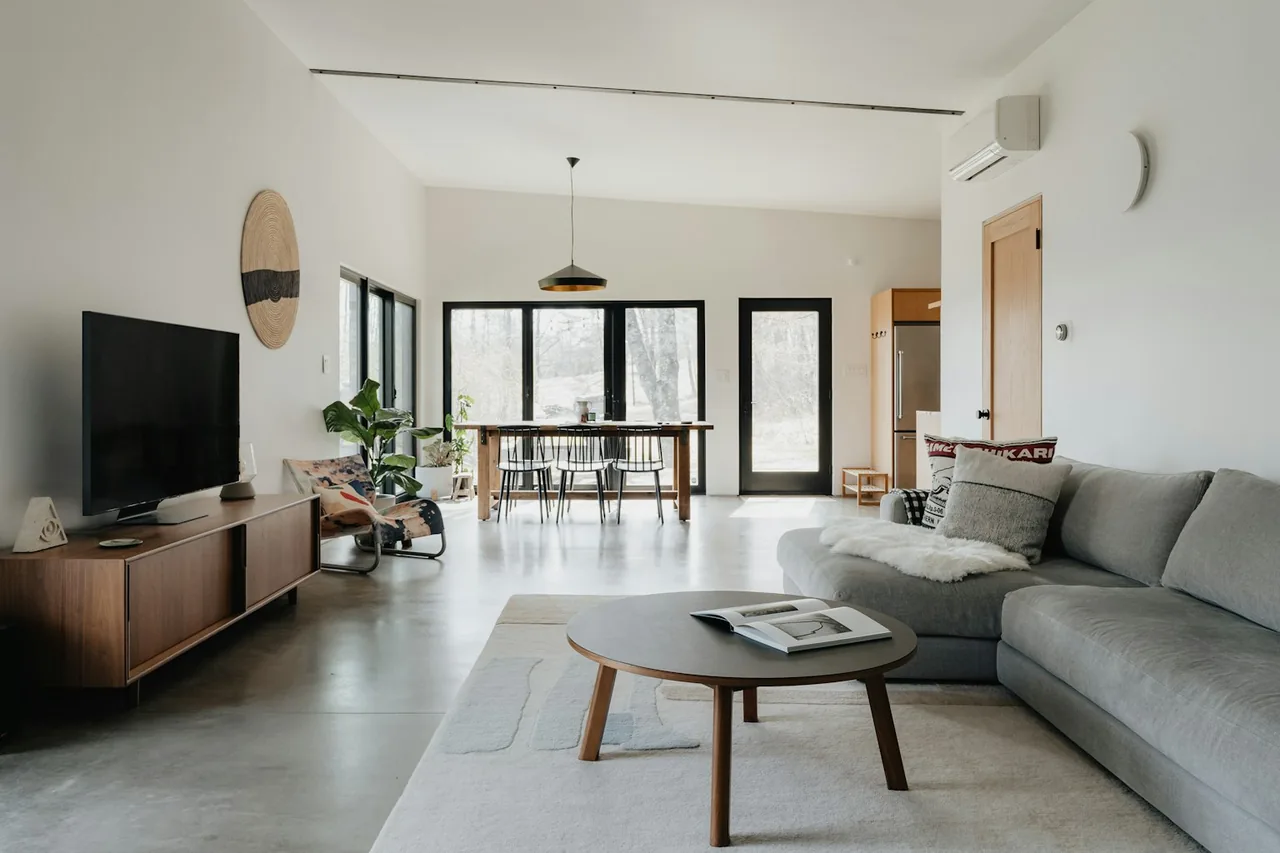
What Actually Drives the Cost of a Frieze Installation
A frieze quote is not a flat per-square-foot rate; the headline number a low bid leads with hides the items below, ranked by how much they move the total.
The Cost Drivers That Move the Total Most
- Twist, fiber, and face weight. The carpet itself sets the baseline — a high-twist, resilient nylon frieze costs more than a low-twist polyester, and it is the spend that decides whether the curl holds its texture or mats in the traffic path.
- The pad. The right cushion density and thickness is a real material line and a major lever on comfort and lifespan — the cheapest place a low bid quietly downgrades, and the wrong choice can void the warranty.
- Old-floor removal and disposal. Tearing out and hauling away old carpet and pad is labor and a fee, and removal can expose subfloor problems that change scope mid-job — which is why it belongs in the written quote up front.
- Subfloor repair. Frieze is forgiving, but loose, squeaky, or out-of-flat subflooring is corrected first under substrate preparation, a line item a sound deck avoids.
- Stairs. Stairs are slow, exacting, hand-fit work priced well above field carpet; a frieze run that continues onto stairs raises the total meaningfully, and the high twist is a strong stair choice with no loop to snag.
- Seams and room layout. Large or irregular rooms need more seams, and while the curl hides them, skilled seam placement and pile-direction control are labor; a simple square room with one seam costs less to lay than a complex multi-room run.
- Furniture moves. Emptying rooms and moving heavy furniture adds labor an empty space does not.
- Transitions. Thresholds and edge details where frieze meets hard flooring at every doorway add up across a home.
Because these drivers swing so widely, the only honest number comes from an on-site assessment. Compare what moves the price in our carpet cost guide and across the cost guides, and weigh frieze against its siblings and hard flooring in our how to choose flooring guide so you can read a quote critically.
Get an itemized frieze scope, not a headline rate.
A vetted installer prices the carpet, the matched pad, removal, stairs, and transitions as separate lines — so you see the whole job, free and with no obligation.
How to Buy Frieze for Your Space
The right frieze is the match of twist level, fiber, and density to the room's traffic and mess, with pile height, pad, and look chosen deliberately — durability set by twist and fiber, comfort set by pile and pad. These six checks turn a soft showroom sample into a defensible purchase.
- Ask the twist level and weigh it over softness
- Twist is what makes a frieze a frieze and what resists matting. A genuinely high turns-per-inch in a resilient fiber holds its texture for years; a low-twist carpet sold as frieze for its look will flatten like any cut pile. The showroom hand-feel does not predict wear — the twist does.
- Match the fiber to the traffic and the mess
- Nylon for high-traffic rooms and stairs where resilience matters; polyester for soft, value-priced, lighter-use bedrooms; triexta or a stain-treated, solution-dyed fiber for homes with kids and pets. Fiber decides durability and staining more than any other choice.
- Read density and heat-set by bending the sample
- A dense base with tight, springy curls that snap back is a well-made frieze; a loose, flattening pile is a low-twist or poorly heat-set one. This hand read confirms the printed twist number, because a decent twist that was never properly set still relaxes.
- Choose pile height for the balance of comfort and cleaning
- A shorter, denser frieze wears better and vacuums easily; a longer, looser frieze feels more luxurious but mats faster and traps more debris. Pick shorter and denser for busy, high-mess rooms, longer and softer for low-traffic comfort spaces.
- Use frieze where snag immunity matters — and match the pad
- For a the pet-friendly use-case home or a stair run, frieze's cut pile cannot run the way a Berber loop can — a real advantage. Then match the pad's density and thickness to the carpet and traffic; too soft or too thick breaks the frieze down faster and can void the warranty.
- Confirm pile direction and keep it out of wet rooms
- Ask the installer how they hold nap direction across seams so adjoining pieces do not shade, and keep frieze in dry, at-or-above-grade rooms. Where a basement wants comfort, a moisture-tolerant a modular carpet floor is the safer route than broadloom frieze.
Settle twist, fiber, and pad first and the color and softness become free choices instead of a gamble — which is exactly the order a credible installer walks with you.
Frieze Carpet Glossary
The terms below recur in every frieze quote, spec sheet, and warranty — each defined as its working meaning on an actual job, so you can read a scope and judge whether it is complete.
- Cut pile
- Carpet in which the tufted loops are sheared open so fiber tips stand exposed — the construction family frieze belongs to, and the reason it cannot snag and run the way a loop can.
- Twist level
- How many turns the yarn is given per inch before it is cut and heat-set — frieze's signature spec, sometimes shown as TPI; a higher twist resists matting and defines a true frieze.
- Frieze (twist carpet)
- An extremely high-twist cut pile whose fibers kink and curl in random directions — the modern, durable answer to shag, hiding footprints and vacuum marks better than any other cut pile.
- Heat-set
- Cooking twisted yarn under controlled heat and steam so the kink becomes permanent — what keeps a frieze's curl from relaxing over time; a poor heat-set splays even at a decent twist count.
- Matting
- The flattening of pile in a traffic path as fibers lose their loft, reading as a worn, shaded lane — the failure a high twist and resilient fiber are meant to prevent.
- Shading (pile direction)
- The lighter or darker look a cut pile takes depending on which way the nap leans — why an installer keeps pile direction uniform across seams so adjoining pieces do not read as different colors.
- Nylon
- The resilient benchmark carpet fiber that springs back from crushing and holds its twist — the choice for high-traffic frieze and stairs.
- Polyester (PET)
- A soft, value-priced, naturally stain-resistant fiber that is less resilient, so a polyester frieze mats sooner under heavy use — fine for a lighter-traffic bedroom.
- Triexta
- A durable, inherently stain-resistant polymer fiber that pairs much of nylon's resilience with built-in spill resistance — a strong frieze fiber for messy, busy homes.
- Density
- How tightly the tufts are packed into the backing — works with twist so a dense, high-twist frieze holds its footprint resistance; read by bending the sample for how much backing shows.
- Pile height
- How tall the cut fibers stand — a shorter, denser frieze wears and vacuums better, while a longer, looser one feels plusher but mats faster and traps debris.
- Power-stretch
- The install step that tensions carpet across the room onto tack strips, preventing the ripples and wrinkles a knee-kicked install develops — the step that makes or breaks any carpet.
Frieze Standards, Warranty Conditions, and Care That Protects Them
A frieze warranty is a contract with conditions, and many denials are not about the carpet — they are about the pad, the install, and the maintenance.
Warranty Conditions That Hinge on the Pad and Install
The conditions are specific and testable: the pad's density and thickness within the maker's stated range; the carpet power-stretched and installed to spec; and, often, documented professional deep cleaning on a schedule. An oversized soft pad that flexes and fatigues the carpet, a knee-kicked install that ripples, or a skipped deep-clean cadence can each void a wear or texture-retention claim. Ask in writing that the install follow the manufacturer's instructions and that the pad meet the carpet maker's spec — that is what the claim is judged against.
Vacuuming and Spills on a Cut Pile
Unlike a Berber, frieze is a cut pile, so a beater bar is fine and even helpful — it lifts and fluffs the curled fibers — though a very long, loose frieze can wrap fiber around an aggressive brush roll, so a moderate setting suits it best. Regular vacuuming is the single biggest lever on how long a frieze lasts because it removes the gritty soil that abrades the fiber from below. Spills follow the universal rule and it matters more on a cut pile than a loop: blot, never rub, and treat fast, because rubbing distorts and fuzzes the cut tips. Use the right cleaner for the fiber and test it first; behind the routine, periodic professional hot-water extraction pulls embedded soil, with the standing caution against over-wetting.
Frieze Cannot Be Refinished — Plan for Replacement
Unlike a wood floor, a frieze that has matted out or worn through is replaced, not refinished. That makes the twist, fiber, and pad choices at purchase — and a deep-clean schedule — the real levers on how long it lasts. See flooring repair for a localized matted or damaged section that can be patched while the rest has life, and flooring replacement when the curl is spent across the room.
A Real Frieze Decision
The clearest way to see why twist and fiber override a soft showroom sample is to walk through one representative choice where they did — for a busy family room with a dog.
How to Vet a Frieze Installer
Frieze is forgiving on the subfloor and hides its seams in the curl, but it is unforgiving on stretch and pile direction — a knee-kicked install or an ignored nap shows fast. These questions separate a crew that tensions and details a frieze correctly from one that lays it loose.
- They power-stretch, not knee-kick
- Ask explicitly how they stretch the carpet. A real answer names a power stretcher and tensioning across the whole room — a crew that only knee-kicks is building in the ripples that are the most common carpet complaint and are worse on a longer frieze.
- They note and hold pile direction across seams
- Ask how they keep the nap consistent. A skilled installer records pile direction at the measure and runs adjoining pieces the same way, because a cut pile shades differently by direction and a random seam reads as two colors under light.
- They spec the pad to the carpet, not the cheapest
- Ask what pad density and thickness they recommend and why. A credible answer matches the pad to the frieze and traffic and notes that too soft or too thick can void the warranty — not "we use the same pad on everything."
- They steer twist and fiber by traffic
- The right installer recommends a genuinely high twist in a resilient nylon or triexta for stairs and busy rooms and flags the softest low-twist sample as the wrong pick. A sell-the-plushest approach is a red flag.
- They handle removal, stairs, and transitions cleanly
- Ask whether old carpet and pad removal and disposal are included, how stairs are wrapped, and how transitions to hard flooring are finished. Stairs and edges are where rushed work shows.
- They put the scope and labor warranty in writing
- Ask for the full scope — carpet, pad, stairs, transitions — the timeline, and the workmanship warranty before work starts. A crew willing to name a labor guarantee and to return to re-stretch if the carpet ripples is accountable for the install, not just the carpet the maker covers.
Two honest answers — that they power-stretch and how they hold pile direction — tell you more about a frieze crew than any sample; the rest of the list confirms it.
Why Route Your Frieze Project Through Pro Work Home Surface
Pro Work Home Surface is not a contractor and does not lay your floor — we are a national authority on home surfaces that matches homeowners with vetted local installers and holds them to a published bar.
- A free consultation and an itemized written scope
- Every connection starts with a no-obligation consult and a written quote that lines out the carpet, the matched pad, removal, stairs, and transitions separately — so you read the whole job, not a headline rate.
- Twist, fiber, and pad matched to the room, in writing
- Installers are screened on what decides a frieze's life: a genuinely high twist in a resilient nylon or triexta for real traffic rather than a low-twist polyester sold on softness, and a pad density matched to the carpet — with the reason explained before you buy.
- Power-stretched, with pile direction kept consistent
- Frieze is power-stretched onto tack strips for lasting tension — not merely kneed into place — and pile direction is kept uniform across seams and through the space so adjoining pieces do not read as different shades, with seams cut and bonded where the curled texture hides them best.
- National coverage, local crews
- We match you with installers in your area nationwide, so the standard is consistent even though the crew is local — whether your project is one bedroom or a whole upstairs with stairs.
Frieze is one construction among many we cover across home surfaces. If your project also involves patching a matted or damaged section or full replacement of a spent carpet, the same standards apply — weigh frieze against its siblings in the carpet hub, compare it to hard flooring for a pet-friendly floors home in our best flooring for pets guide, check the numbers in our carpet cost guide, and start from the flooring category hub or the full range of home surfaces.
Brands & Material Authority
Quality and construction drive long-term performance more than the label. These are widely respected names in this category:
- Shaw
- Mohawk
- COREtec
- Armstrong
- Pergo
- Mannington
- Bruce
- Karndean