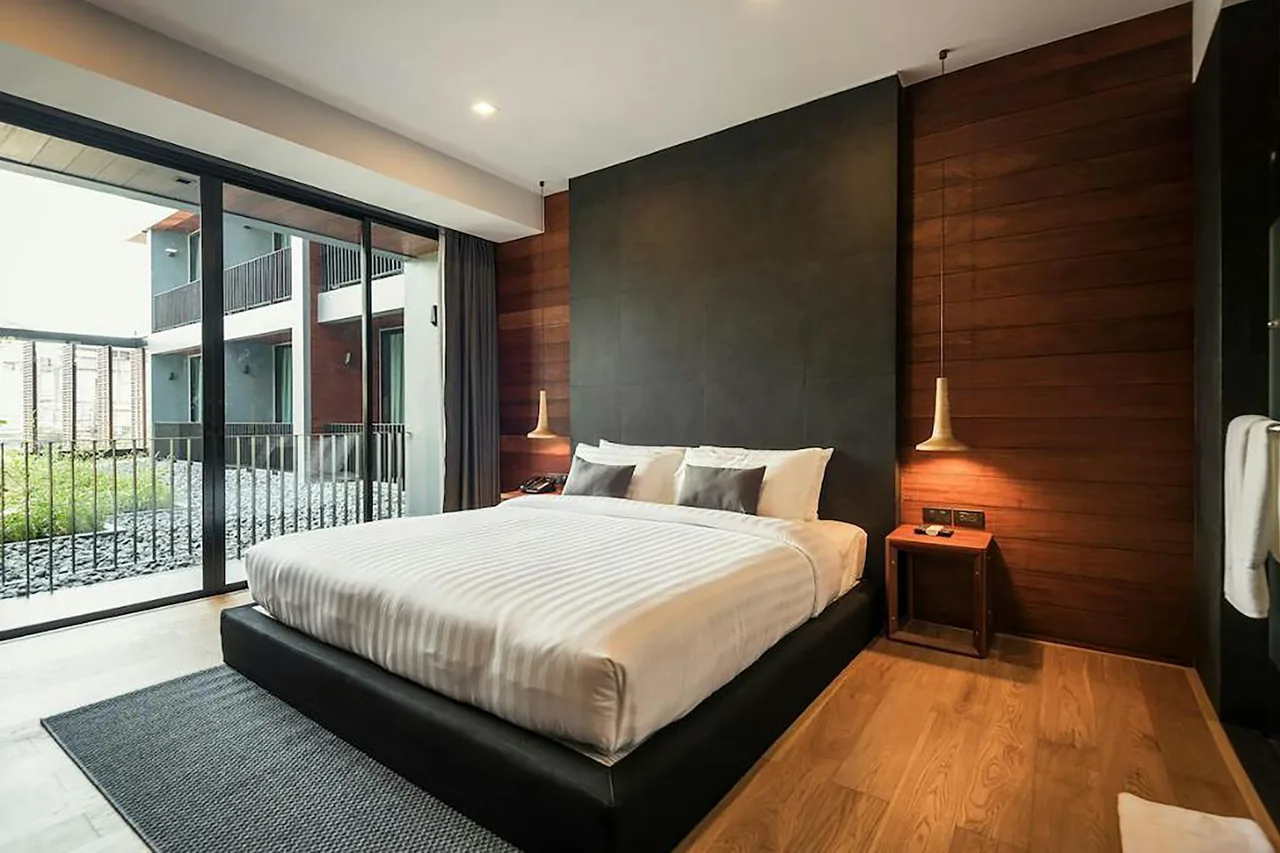
The best bedroom flooring feels right under bare feet on a cold morning — which is why carpet remains the most popular bedroom floor, with hardwood and cork the leading hard-surface alternatives. Unlike the kitchen or bath, a bedroom is not decided by water or even hard traffic; it is decided by comfort, warmth, and quiet in a low-traffic, private room. With no sink, no shower, and little abrasive grind, the floor can lead with how it feels — and the specs that predict that feel are carpet face weight and twist, and, for hard floors upstairs, the acoustic NRC or impact rating of the underlayment. Start with a free consultation and a written, itemized scope from a vetted installer that specs the comfort and sound layer for the room, not a hallway's heavy wear.
A Bedroom Floor Is Chosen for Feel, Not Survival
A bedroom is a private, quiet, lightly used room, and that changes what the floor is for — comfort and atmosphere come first, durability is rarely the limiting factor. What decides a bedroom floor is not whether it can survive the room but whether it makes the room restful.
Three Things Define a Bedroom Floor
The room asks a floor for three qualities, and the best bedroom floor is the one that serves them rather than maximizing wear resistance the room will never test:
- Comfort underfoot. The bedroom is where bare feet hit the floor first thing in the morning and last thing at night, so warmth and softness are felt here more than anywhere — a cold, hard floor is a small daily discomfort in the room meant for rest.
- Quiet. A bedroom rewards a floor that absorbs sound rather than transmitting footsteps, creaks, and noise from rooms below, because the whole point of the room is calm.
- A restful atmosphere. Partly look and partly feel, the floor sets the tone of the most personal room in the home.
What a bedroom does not demand is heavy-duty performance — traffic is light and predictable, with no concentrated grind, no dragged grit, no standing water, no appliance, no spill-prone work surface. That low-stress environment is liberating: it is the one room where you can choose almost purely for comfort and warmth, because the floor is not being asked to survive much.
Low Traffic Forgives Weaknesses and Rewards Comfort
Solid hardwood, carpet, and cork all thrive in a bedroom for the same reason — the room forgives a floor's durability weaknesses and rewards its comfort strengths. Carpet's matting, hardwood's softer species, cork's dents under point load: the failures that count elsewhere barely register here. Read the room for feel first, spec the comfort and sound layer to match, and the field is wide open. Everything below builds that order into a decision you can hand an installer.
The Bedroom Floor Deciders: Specs for Comfort, Quiet, and Clean Air
A bedroom floor is bought more on feel than on numbers, but a few specs still matter — and they map to comfort, quiet, and air quality rather than to traffic or water. The good news is the durability specs that dominate other rooms can relax here. Call it the Bedroom Floor Fit Test: pass all six checks and the room is as warm, quiet, and restful as it should be; miss one and the floor is cold, noisy, or harder to keep clean for the people who sleep on it.
- 1. Warmth and softness underfoot
- The bedroom's first requirement: how the floor feels to bare feet on a cold morning. Carpet and cork are warm and soft by nature; wood and vinyl are firmer and warm up with a bedside rug. This is the spec the room is chosen on.
- 2. Carpet face weight, pile, and twist
- For carpet, the comfort-and-longevity predictors are the face weight (fiber weight per square yard, in ounces), the pile height and type, and the twist — and because traffic is light, you can prioritize plushness over the maximum-durability nylon a hallway demands.
- 3. Sound absorption (NRC / impact rating)
- Quiet is a bedroom spec. Soft floors absorb sound; for a hard floor over an occupied room, the underlayment's acoustic rating — NRC (NRC) for absorption and the impact-insulation rating for footstep noise — decides how much sound reaches the room below.
- 4. Air quality and low-VOC
- Because you breathe in this room for a third of your life, air quality is a real consideration: carpet holds dust and allergens a wipeable floor does not, so a solution-dyed, low-VOC carpet — or a hard floor with washable rugs for an allergy sufferer — is the health-based decider.
- 5. Relaxed durability specs
- Wood's Janka hardness and vinyl's wear-layer mil can be lighter here than any other room: a softer, more beautiful species is viable in a bedroom, and a 6 mil to 12 mil vinyl wear layer is ample where a kitchen wants 20 mil.
- 6. Point-load tolerance (for cork)
- The one spec cork asks you to respect: it is soft and dents under a heavy bed leg or dresser, so plan furniture coasters rather than choosing against an otherwise near-perfect bedroom floor.
None of these is a water or heavy-traffic spec, because the bedroom imposes neither. Over-speccing a bedroom floor for durability it will never need just costs money better spent on comfort — so match the spec to the room's real, light demands and put the savings into feel.
Want the comfort and sound layer specced for the room?
We match you with a vetted installer who chooses the carpet pad, acoustic underlayment, or cork for a bedroom's real demands — and puts it in a written scope, free.
Bedroom Flooring Specifications That Decide the Room
The specs that gate a bedroom floor are published and testable — but here they predict comfort and quiet rather than survival. They run from carpet's feel-and-life numbers, through the acoustics that keep the room calm, to the durability specs that can safely relax.
Carpet Is Rated on Feel and on How Long It Resists Matting
For a carpet bedroom, the specs are the comfort ones, and the room's light traffic lets you weight them toward plushness.
Face Weight, Pile, and Twist Set the Feel
Face weight — the ounces of fiber per square yard — with pile height and twist sets both the plushness and the longevity, while the pad does much of the cushioning. Because a bedroom is low-traffic, you can prioritize a soft, deep cut pile over the dense, high-twist construction a hallway needs, and put the budget into feel.
Fiber Choice for a Bedroom's Light Use
Nylon is the durability benchmark, but a bedroom's gentle use means a softer frieze or a plush cut pile serves the comfort goal without a hallway's abuse resistance. The matting that ends a carpet's life in busy rooms barely appears in a bedroom, so a bedroom carpet often outlives the same carpet elsewhere.
Solution-Dyed, Low-VOC Carpet for Cleaner Air
For the room you breathe in all night, a stain-resistant carpet — color run through the fiber, with low off-gassing — is the air-quality-conscious choice, and a quality pad and regular vacuuming keep dust down. For a serious allergy sufferer, a wipeable hard floor with washable rugs is the sounder route.
Sound Is the Spec That Keeps the Room Calm
Quiet is a bedroom requirement, and the acoustics live in the assembly. Soft floors absorb sound inherently; for a hard floor in an upstairs bedroom, the underlayment's acoustic rating — NRC for absorption and the impact-insulation rating for footstep transmission — determines how much noise reaches the room below. A floating hard floor over a good acoustic pad is worth specifying in any bedroom over an occupied space.
The Durability Specs Can Safely Relax in a Bedroom
For hard floors, the wear specs that dominate a kitchen or living room can ease here. Wood Janka hardness still describes dent resistance, but the light traffic means a softer, more beautiful species like walnut near 1010 lbf is perfectly viable where it might struggle in a family room. Vinyl's wear layer can be lighter — a 6 mil to 12 mil layer is ample for a bedroom's gentle use. The one spec to respect is cork's softness: it dents under heavy point loads, so plan furniture coasters rather than choosing against it.
The Specs That Matter in a Bedroom, and What to Look For
Each bedroom-deciding spec, on its own — what it measures, why it matters in a quiet private room, and the number or feature to demand on a spec sheet.
| Spec | Why it matters in a bedroom | What to look for |
|---|---|---|
| Warmth & softness underfoot | Bare feet hit this floor first and last every day | Carpet or cork by nature; a bedside rug over wood or vinyl |
| Carpet face weight & twist | Feel and comfort lead; matting is a non-issue in low traffic | Plush cut pile, higher face weight, quality pad over max-durability |
| Sound absorption (NRC / impact) | An upstairs floor carries footsteps to the room below | Acoustic underlayment with a strong impact-insulation rating |
| Air quality (low-VOC) | You breathe this room for a third of your life | Solution-dyed, low-VOC carpet, or a wipeable floor for allergies |
| Janka / wear layer (relaxed) | Light traffic means durability rarely limits the choice | A softer beautiful species is fine; 6–12 mil vinyl is ample |
| Point-load tolerance (cork) | Cork dents under a bed leg or dresser | Furniture coasters — not a reason to avoid cork |
Bedroom Material Fit, Rated Spec-by-Spec
The table below is the room's ranking made explicit: each candidate against the bedroom's deciding specs and a verdict for a quiet, private room. These are recognized figures — the printed spec for your product always governs, and where it is stricter, the stricter number wins.
| Material | Comfort & warmth | Quiet | Air quality | Verdict for a bedroom |
|---|---|---|---|---|
| Carpet | Softest, warmest to bare feet | Absorbs sound naturally | Holds dust — pick low-VOC | Most popular — comfort and quiet leader |
| Hardwood | Warm look; add a rug | Wants an acoustic pad upstairs | Wipeable, low-allergen | Premium hard-surface pick; a soft species works here |
| Cork | Soft and warm by nature | Naturally sound-absorbing | Antimicrobial, wipeable | Underrated near-perfect match — mind point loads |
| Luxury vinyl plank | Warmer than tile; add a rug | Quiet over a good pad | Easy to keep dust-free | Practical, low-allergen wood look |
| Bamboo | Firm; add a rug | Hard-surface, needs a pad | Wipeable, sustainable | Sustainable hard option for a low-traffic room |
| Tile | Cold, hard underfoot | Reflects sound | Wipeable | Mismatch unless hot climate or radiant heat |
The pattern is freedom: with no water and little traffic, the bedroom lets you lead with comfort, warmth, and quiet. Decide whether softness underfoot, the look of real wood, or low-allergen practicality matters most, and the choice follows — then size the room with the flooring cost calculator.
The Best Bedroom Flooring, Ranked — and Why
The bedroom is the one room where comfort leads the ranking outright, because durability is rarely the limiting factor. Every option is a legitimate choice; the right one depends on whether you prioritize softness, the look of wood, or a balance of both.
Carpet: The Classic Bedroom Floor
Carpet is the only floor that is warm and soft to bare feet on a cold morning, and it absorbs sound for a quieter room — exactly what a bedroom is for. The bedroom's light traffic plays directly to carpet's strength and away from its weakness, since the matting that ends carpet's life in busy rooms barely happens here. A soft, plush cut pile suits the comfort goal; choose the fiber for air quality and a quality pad for cushion. The main caveat is allergens, which steer some sleepers to a hard floor with rugs.
Hardwood: The Premium Hard-Surface Pick
Hardwood brings warmth of appearance, lasts generations, can be refinished, and — because the bedroom is low-traffic and dry — faces little of the wear and none of the water that challenge it elsewhere, so even a softer, more beautiful species like walnut works here where it might not in a family room. Pair it with a plush area rug at the bedside to restore the warmth and softness underfoot that bare wood lacks. Engineered hardwood is the smart pick over concrete or in an upstairs room.
Cork: The Underrated Near-Perfect Match
Cork flooring is soft and warm underfoot by nature — a hard floor that feels gentle — and it is naturally sound-absorbing, so it quiets the room the way carpet does without holding allergens the way carpet can. It is also naturally antimicrobial and made from renewable cork-oak bark. The trade-offs are that it needs sealing and dents under heavy point loads (a bed leg, a dresser), so use coasters under heavy furniture. For comfort plus a hard surface plus quiet, cork is hard to beat in a bedroom. See specialty flooring.
Luxury Vinyl Plank and Bamboo: Practical and Sustainable Hard Floors
A quality LVP is warmer and softer than tile, quiet over a good pad, easy to keep dust-free for allergy sufferers, and looks like wood at a lower cost — the choice when you want a wipeable hard floor and easy maintenance over carpet's coziness, with a bedside rug adding the softness it lacks. Bamboo looks like wood, strand-woven types are very hard, and the material is a rapidly renewable grass — a good fit for a low-traffic bedroom for those drawn to its look and eco profile, with the caveat that it is humidity-sensitive and must be acclimated before install. With no water and little traffic, the bedroom lets any of these lead on comfort.
What to Reconsider for a Bedroom Floor
The bedroom has almost no wrong answers on durability, so the reconsiderations are about comfort and air quality rather than performance. These are mismatches, not bans. Bare tile is the most common bedroom mismatch — tile is hard, cold, and unwelcoming under bare feet in a room meant for comfort, the right floor for a bath and the wrong feel for a bedroom unless you are in a hot climate or run radiant heat under it, and even then most people want rugs. There is no durability reason to avoid it; it is purely about how the room should feel. Any hard floor without rugs or an underlayment is a softer mismatch: a hardwood or vinyl bedroom floor with nothing to warm and quiet it gives up the comfort and sound absorption the room wants, so plan for a bedside rug and a good pad from the start. Carpet for serious allergy sufferers is the one genuine reconsideration with a health basis — carpet holds dust and allergens in the room where you spend a third of your life, so an allergic sleeper is usually better on a hard floor (cork or vinyl with washable rugs) that can be wiped clean. The honest summary: nothing here will wear out fast, so choose against the materials that make the room cold, hard, or harder to keep clean for the people who sleep in it.
How a Bedroom Floor Is Installed — the Room-Specific Sequence
A bedroom install is among the simplest in the house — no waterproofing, no fixtures, light traffic — but the sequence still tunes the room for comfort and quiet rather than survival. The six steps below are the full arc.
Assess the Room and Whether It's Upstairs
The installer measures the space, checks the substrate for flatness and squeaks, and notes whether the bedroom sits over an occupied room — because sound control is the defining variable here, an upstairs bedroom drives the choice of acoustic underlayment from the start.
Reset Loose Fasteners to Silence Squeaks
Loose subfloor fasteners are reset before the finished floor goes down, because a creak underfoot at night is most annoying in exactly this room — squeaks are a subfloor-fastening issue, corrected now rather than lived with later.
Correct Flatness and Acclimate the Material
The substrate is brought flat to the 3/16" over 10 ft tolerance so a floating floor does not feel hollow, and wood, cork, and bamboo acclimate to the home's humidity — bamboo and cork are particularly humidity-sensitive, so skipping this gaps or cups the floor in the first season.
Lay the Acoustic Underlayment or Carpet Pad
For a hard floor over an occupied room, an acoustic underlayment with a strong impact rating goes down to keep footsteps and creaks from carrying below; for carpet, a quality pad is chosen for cushion and longevity — the layer that delivers the room's quiet and much of its comfort.
Set the Expansion Gap and Install
Any floating or solid-wood floor gets a continuous 1/4"–3/8" perimeter expansion gap so it moves with the seasons, and the floor goes in by its method — stretched over the pad for carpet, floated or nailed for wood, glued or floated for cork — under a far lighter load than any other room imposes.
Finish Edges and Walk the Room
Baseboard, transitions at the doorway to the hall, and any threshold conceal the expansion gap, and the installer walks the bedroom with you to confirm it is quiet underfoot, review care, and note any finish cure time before the furniture goes back.
Because the room is low-traffic and dry, the install is not fighting water or wear — it is tuning for quiet and comfort, which is why the acoustic layer and the squeak-free subfloor are the steps that matter most here.
Common Bedroom Flooring Mistakes, Consequences, and Prevention
Most bedroom-floor disappointments are the same handful of comfort-and-air mismatches, each with a predictable consequence and a known prevention. Naming them is how you spot a corner being cut before it costs the room its calm.
| Mistake | What it causes | The prevention |
|---|---|---|
| Bare tile in a bedroom | A cold, hard shock to the feet in a room meant for comfort | Choose carpet or cork, or add rugs and radiant heat under tile |
| Hard floor with no acoustic pad upstairs | Footsteps and creaks carry to the room below | Spec an acoustic underlayment with a strong impact rating |
| Over-speccing durability for the traffic | Money spent on a wear layer or hardness the room never uses | Relax to 6–12 mil vinyl or a softer species; spend on comfort |
| Carpet for an allergy sufferer | Dust and allergens held in the room they breathe all night | Use cork, hardwood, or vinyl with washable rugs instead |
| Loose subfloor fasteners left as-is | A squeak underfoot that is most annoying at night | Reset the fasteners before the finished floor goes down |
| Cork with no furniture coasters | Dents under the bed legs and dresser point loads | Plan coasters under heavy furniture from the start |
| No expansion gap or acclimation | Bamboo or cork gaps or cups in the first humid season | Acclimate humidity-sensitive floors and leave the perimeter gap |
Every row is a comfort or air-quality miss, not a durability failure — which is why "we spec the room for quiet and feel, not a hallway's wear" is the sentence that protects a bedroom floor.
Which Flooring Is Right for Your Bedroom?
The right bedroom floor is the output of a short chain of honest answers about what makes the room restful for you — and, for some, about air quality. Walk it in order; each branch narrows the wide field to a defensible choice.
- What does comfort mean to you? If warm, soft bare feet in the morning lead, carpet or cork. If the look of real wood leads and you will add a bedside rug, hardwood. If easy-clean practicality leads, luxury vinyl with rugs. The bedroom lets comfort, not durability, drive the call.
- Does anyone in the room have allergies? If a sleeper has allergies or asthma, lean toward a wipeable hard floor — cork, hardwood, or vinyl — with washable rugs, rather than carpet that holds dust in the room you breathe in all night.
- Is the room upstairs? An upstairs bedroom benefits from sound control — carpet and cork absorb footstep noise naturally, and a hard floor wants a good acoustic underlayment so steps and creaks do not carry to the room below.
- How does the room connect to the home? If the bedroom flows off a hallway with hard flooring, a continuous hard floor (engineered wood or vinyl) reads cleanly, or carpet defines the bedroom as its own restful zone — both are valid; it is an aesthetic call here, not a performance one.
- Where should the budget go? Because the room is low-traffic, you do not need a hallway's heavy wear layer or hardest species — put the budget into a plusher carpet and pad, a nicer wood, or cork's comfort rather than into durability the room will never use. The carpet and hardwood cost guides break down the factors.
Run honestly, this tree returns a floor tuned for comfort and quiet — and an installer who pushes a hallway-grade wear spec into a bedroom is selling you durability the room will never spend.
Choosing between carpet, wood, and cork?
Tell us what makes your bedroom restful — and whether anyone has allergies — and we will match a vetted installer who specs it right, free and in writing.
What Actually Drives the Cost of a Bedroom Floor
A bedroom quote is not a flat per-square-foot rate; the items that move the total are different from a busy room's, because comfort and quiet — not heavy wear — are what you are paying for.
- Material and comfort grade. A plusher carpet and pad, a nicer wood species, or cork set the baseline — and in a bedroom the budget is best weighted here, toward feel, rather than toward wear the room will not test.
- The acoustic layer. An acoustic underlayment or a quality carpet pad for an upstairs bedroom is the line item that buys the room's quiet — and one worth its cost where a hallway would not need it.
- Subfloor prep and squeak fixes. Bringing the substrate flat and resetting loose fasteners so the floor is silent underfoot is real labor, lighter than a wet room's but not free.
- Carpet pad grade. The pad does much of the cushioning and longevity, so a better pad is a direct upgrade to comfort — a place not to economize in a bedroom.
- Old-floor removal and disposal. Pulling old carpet and pad is labor and haul-away a fee, and belongs in the written quote.
- Acclimation for humidity-sensitive floors. Cork and bamboo need on-site acclimation time, a small scheduling cost that prevents first-season gapping.
- Furniture moves. Emptying and resetting a furnished bedroom adds labor an empty room does not.
- Transitions to the hall. The threshold and transition at the bedroom door finish the room and add a modest line.
Because these drivers differ from a busy room's, the only honest number comes from an on-site assessment. Compare what moves the price across the category in our cost guides, and size your own bedroom first with the material comparison tool so you can read a quote critically.
Caring for a Bedroom Floor
A bedroom floor is one of the easiest in the home to keep up, because the room barely stresses it — care here is light and mostly about air quality and comfort. On carpet, the routine is gentle: regular vacuuming to keep dust and allergens down — more important for the air you breathe in your sleep than for the carpet's minimal wear — plus prompt treatment of the occasional spill and periodic professional cleaning. Because matting barely happens here, a bedroom carpet often outlives the same carpet in a busy room. On hardwood and cork, the routine is dust-mopping to keep grit off the finish and felt pads and coasters under furniture — cork especially, since it dents under point loads — with refinishing or re-coating available down the line for wood. On vinyl, it is wipe-and-go, and its easy cleaning is part of why it suits allergy sufferers. The longevity picture is favorable across the board precisely because the room is so undemanding. When a bedroom floor is damaged rather than simply needing a clean — a deep dent in cork, a gouged board, a stain set in carpet — see flooring repair; when wood is merely dull, refinishing or professional cleaning restores it without the cost of replacement.
Talk through your project — free.
A free consultation and a written, itemized quote from a vetted installer. No pressure, no obligation.
Bedroom Flooring Glossary
The terms below recur in every bedroom-floor quote, spec sheet, and warranty — each defined as its working meaning on an actual job, so you can read a scope and judge whether it is complete.
- Face weight
- The weight of carpet fiber per square yard, in ounces — with pile and twist, a predictor of a carpet's plushness and how long it holds its look. A bedroom can favor plush over max-durability.
- Pile
- The carpet's surface yarn — loop, cut, or cut-and-loop — and its height. A soft, deep cut pile suits a bedroom's comfort goal where a hallway wants a dense low loop.
- Twist
- How tightly carpet yarn is twisted; a higher twist resists matting, but a bedroom's light traffic lets you choose feel over the maximum twist a busy room needs.
- NRC
- Noise Reduction Coefficient — a 0-to-1 rating of how much sound a surface or underlayment absorbs. Higher NRC means a quieter room, the bedroom's acoustic goal.
- Impact insulation
- The rating of how well an assembly blocks footstep noise from carrying to the room below — the spec that matters for a hard floor in an upstairs bedroom.
- Carpet pad
- The cushion under carpet that provides much of the comfort and extends the carpet's life — a place to spend, not economize, in a bedroom.
- Low-VOC
- A material with low volatile-organic-compound off-gassing — a real consideration for the room you breathe in for a third of your life. Look for it in carpet, pad, and adhesives.
- Janka hardness
- The pounds-force needed to dent a wood species. It still describes dent resistance, but a bedroom's light traffic lets a softer, more beautiful species like walnut work here.
- Wear-layer mil
- The thickness of luxury vinyl's clear top layer. A bedroom can relax to 6–12 mil where a kitchen wants 20 mil, because the traffic is light.
- Cork
- A soft, warm, naturally sound-absorbing and antimicrobial floor from cork-oak bark — near-perfect for a bedroom, with the one caveat that it dents under heavy point loads.
- Acclimation
- Letting flooring reach equilibrium with the home's humidity before install so it stops moving — especially important for humidity-sensitive cork and bamboo in a bedroom.
- Expansion gap
- The 1/4" to 3/8" space left around a floating or solid-wood floor's perimeter so it can move with the seasons without peaking; hidden under baseboard.
Standards, Warranty Conditions, and What a Bedroom Floor Must Meet
A manufacturer's warranty is a contract with conditions, and even in a gentle room most denials are about how the floor was installed, not the product.
Warranty Conditions That Hinge on the Install
The conditions are specific and testable: the product acclimated for a stated period, substrate flatness within tolerance, only approved underlayments and adhesives, and the expansion gap at a minimum dimension. Cork and bamboo especially void coverage if installed without acclimation, and carpet warranties often require a specified pad. Ask in writing that the install follow the manufacturer's published instructions — that document is what a bedroom warranty claim is judged against.
The Standards Bodies Behind a Bedroom Floor
Standards govern the rest. The NWFA sets wood acclimation and the flatness tolerance; carpet is judged on fiber, face weight, and twist, with pad requirements set by the maker; acoustic underlayments are rated by NRC and impact insulation. A bedroom floor built to these holds its warranty and its comfort. When wood wears rather than fails, the path is refinishing before a full replacement — and a squeak underfoot traces to the subfloor, where it is corrected first.
A Real Bedroom Flooring Decision
One representative bedroom shows how the room rewards choosing for comfort and air quality — coziness and an allergy concern had to be balanced, and the comfort spec did it without needing durability at all.
How to Vet an Installer for a Bedroom Floor
A bedroom floor is about comfort and quiet, so the installer's judgment about specifying for feel rather than wear matters most. These questions separate a crew that tunes the room for rest from one that over-sells durability.
- They spec the sound layer for an upstairs room
- Ask what acoustic underlayment they will use over an occupied room. A credible answer names an impact-rated pad, because footstep noise to the room below is the bedroom's defining hard-floor issue.
- They right-size the durability spec
- Ask whether they will relax the wear layer or species hardness for a bedroom's light traffic. An installer who pushes a hallway-grade wear spec into a bedroom is selling durability the room will never use.
- They address air quality for allergy sufferers
- Ask about low-VOC carpet and pad, or a wipeable hard floor, if a sleeper has allergies. A good answer treats the air you breathe all night as a real spec, not an afterthought.
- They silence squeaks before the floor goes down
- Ask how they handle a squeaky subfloor. Resetting loose fasteners first is the detail that keeps a creak from becoming a nightly annoyance in the room you sleep in.
- They acclimate humidity-sensitive floors and plan coasters
- Ask about acclimation for cork or bamboo and point-load protection. Both must acclimate, and cork wants furniture coasters — details that keep the floor sound and dent-free.
- They put the scope and workmanship warranty in writing
- Ask for the full scope, the pad and underlayment spec, and a labor warranty in writing before work starts. A crew willing to name a workmanship guarantee is accountable for the install, not just the product.
Why Route Your Bedroom Floor Through Pro Work Home Surface
Pro Work Home Surface is not a contractor and does not lay your floor — we are a national authority on home surfaces that matches homeowners with vetted local installers and holds them to a published bar.
- Comfort and quiet built in
- The floor is chosen and installed for the room's real purpose — warmth and softness underfoot and sound absorption — including a quality acoustic underlayment under hard floors in upstairs bedrooms so footsteps do not carry to the room below.
- Specced for light use, not over-built
- The material is matched to a bedroom's gentle, low-traffic life — a plusher carpet and pad, a softer beautiful wood species, or comfortable cork — rather than over-specced for durability the room will never demand, so your budget goes to comfort.
- Installed quiet, flat, and ready to move
- Loose subfloor fasteners are reset so the floor does not creak underfoot at night, the substrate is brought flat, and wood, cork, and bamboo are acclimated and given an expansion gap so the bedroom floor stays sound through the seasons.
- National coverage, local crews
- We match you with installers in your area nationwide, so the standard is consistent even though the crew is local — whether your project is one bedroom or every bedroom in the home.
Flooring is one of eight categories we cover across home surfaces. If your bedroom project also touches the living room it opens onto or a kid's room down the hall, the same standards apply — compare what moves the price in our cost guides, weigh the options in our how to choose flooring guide, size the job with our cost calculator, and start from the flooring category hub or the full range of home surfaces.
Brands & Material Authority
Quality and construction drive long-term performance more than the label. These are widely respected names in this category:
- Shaw
- Mohawk
- COREtec
- Armstrong
- Pergo
- Mannington
- Bruce
- Karndean